












"That extra ‘please’ you put there can make a huge difference,” says one of the report's authors.
The environmental footprint of data centres already rivals some of the world's largest countries, according to a United Nations University report released on 3 June.
 ADVERTISEMENT
ADVERTISEMENT
ADVERTISEMENT
Their water use, energy use and pollution is predicted to double in just four years as use of artificial intelligence grows.
Much of the growth of data centres is being driven by AI. About 20 per cent of data centres’ energy is currently due to AI, but that should grow to 40 per cent by 2030, the report said.
AI users can reduce the climate impact of their queries by less polite and more concise in their queries, one of the report's authors advises.
The majority of people – 70 per cent – are polite to AI when interacting with it, according to a survey carried out by British publisher Future in 2024. Of the respondents, 55 per cent said they do this because "it's just the nice thing to do", while 12 per cent said it was because "when the robot uprising happens, I don't want to come first".
Electricity use equal to that of Argentina
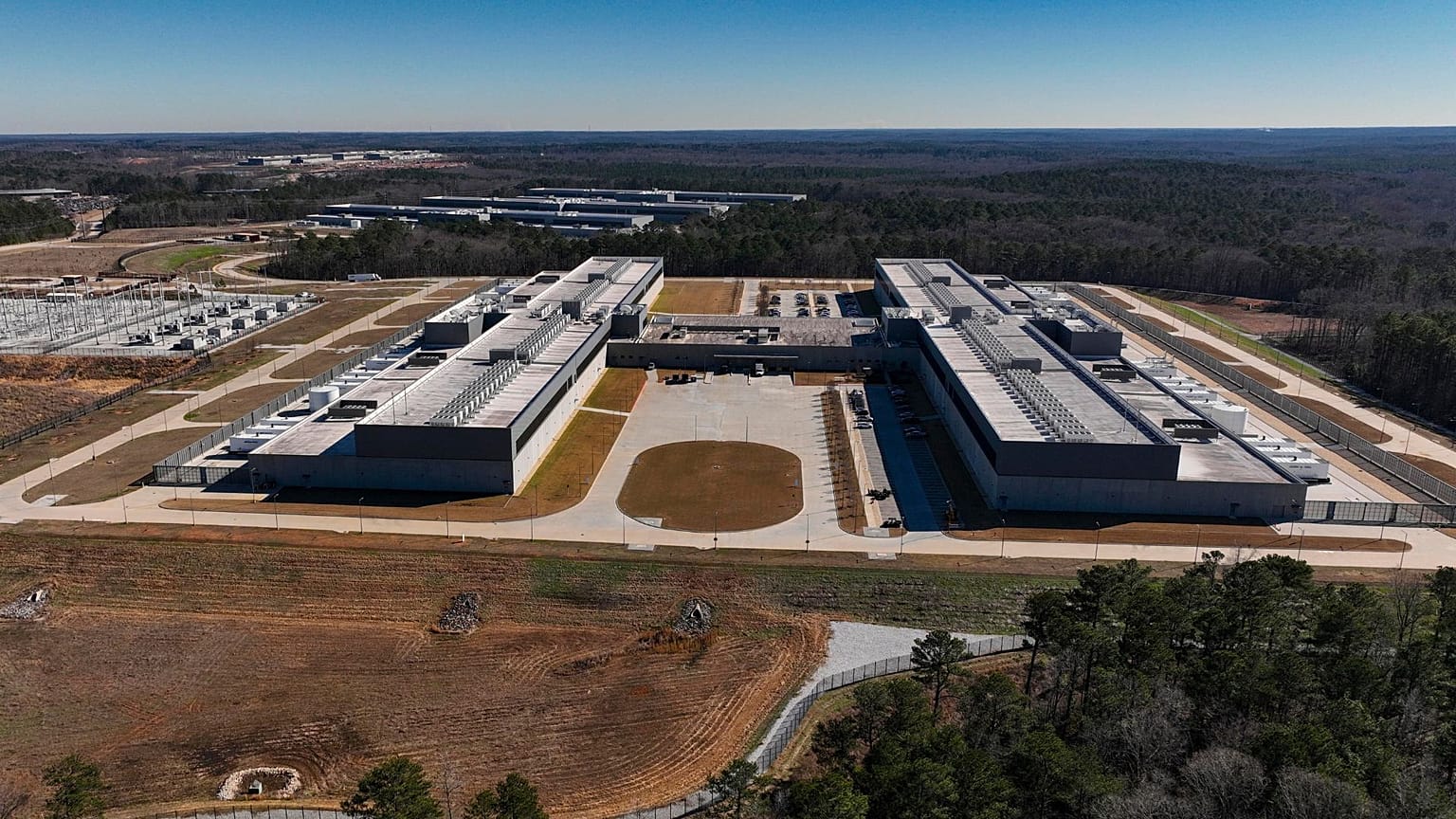
Last year, global data centres used 448 trillion watt-hours of electricity, more than all but 10 countries of the world, said the report. That electricity use produced about 189 million tonnes of carbon dioxide, about the same amount as Argentina, and producing that much energy consumed about 4.5 trillion litres of water, according to the report on the environmental consequences of AI's energy use.
By 2030, data centres will account for nearly three per cent of the world's projected electricity use, with 935 trillion watt-hours. If data centres were a country, the country would be projected to rank sixth-highest in power use in 2030. That would produce nearly 399 million tonnes of carbon dioxide, the report said. The study focused on energy use and didn’t examine the massive amount of water used to cool data centres.
“If you look at these numbers, we're seeing scales comparable to nations,” says study co-author Kaveh Madani, a water scientist and director of the United Nations University Institute for Water, Environment and Health in Canada. “The demand is enormous.”
First global look at ecological impact of data centres
The report is significant because of the credibility and authority of the UN, not just because of any one set of eye-popping numbers, says Fengqi You, a Cornell University energy engineering professor who directs the college’s AI sustainability issues.
“Its value is that a UN institution is putting carbon, water, land, life-cycle impacts and environmental justice into one frame” for an issue that is often shrouded in secrecy and partial disclosures, says You, who was not part of the report.
“The general public should be concerned, but not panicked,” he adds.
Jean Su, director of the Energy Justice Program at the Center for Biological Diversity, said the report is important because it is the first UN, or even global, report “that shines a light on the environmental harms of AI”.
National Artificial Intelligence Association President Caleb Max emphasises how his industry is becoming more efficient and how it benefits the public: “AI is rapidly becoming part of our everyday lives and adding benefits that improve safety, [help people] live longer, work more efficiently, enhance food production, and reduce poverty. The evidence is growing daily that the energy return on investment of AI development is transformative for our world and therefore more than worth it.”
Josh Levi, president the Data Center Coalition, says the industry takes its environmental impact seriously.
“We remain committed to working with policymakers, local communities, and industry partners to ensure that as data centres grow, they do so responsibly, transparently, and in ways that reflect the best available practices,” he said in a statement.
The report came just after Californian city Monterey Park became the first in the US to vote for a permanent ban on data centres on Tuesday (2 June).
How much energy your query uses and how to trim it
Madani, also the winner of the most recent of the Stockholm Water Prize, says the numbers show the environmental cost of AI, which may seem cleaner at first glance than other mechanical devices, such as cars and furnaces, that have visible pollution.
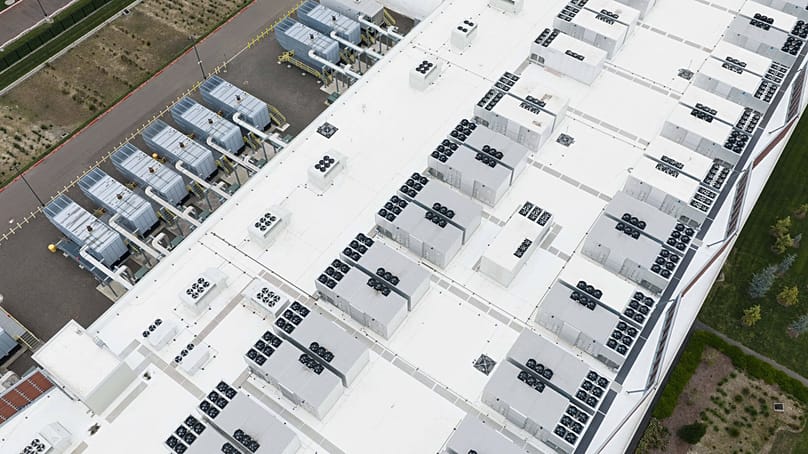
"AI is not just a virtual thing. We’re talking about something that has physics, something that has real impacts. There is infrastructure there. There is energy that is being used," Madani says. "A lot of hardware is behind all these operations that to us seem very, very clean because we don’t see smoke out of our devices. On our cellphone, there is no visible smoke or out of our computer or something. But somewhere else someone is suffering."
People can reduce AI’s massive energy appetite by being less polite and more concise in their queries, Madani says. The report found that cutting word use in requests by 30 per cent can reduce energy used by AI by 25 per cent. That would save about the same amount of electricity as what about 700,000 people in Africa use in a year, the report said.
“If you’re too polite, then that extra ‘please’ you put there can make a huge difference,” Madani says. “You’ve got to be very precise and be short.”
A typical ChatGPT-style query is about 200 times more energy-intensive than the type of basic text classification used in an email spam filter, for example. AI-generated images or video require much more energy.
And the more complicated the AI, the more energy it takes to train or learn. The report said GPT-3 used about 1.3 billion watt-hours to train, but the next version used 50 to 70 billion watt-hours.
But it's not training that really feasts on power, says study co-author Miriam Aczel, a United Nations University environmental policy researcher. About 90 per cent of the power use of AI comes from operational requests, she says. GPT alone accounts for 2.5 billion prompts a day, she says.
Efficiency still means more power use
Even though tech advocates can argue that their machines are becoming more efficient, there's a common paradox that finds when things get more efficient, they are used more often and total energy use soars even if individual uses are more efficient, Madani says.
While some companies tout the use of renewable energy for data centres, Madani says that means the supply of clean electricity is depleted and thus dirtier energy is used elsewhere.
One of the problems in conducting this study is that many companies and places are not transparent about what data centres and AI are consuming or even where and how big they are, Aczel and Madani say.
“We cannot manage what companies do not disclose,” Cornell's You says.