












France’s green party leader Marine Tondelier has dubbed the government “incompetent” as attention turns to its flagship climate fund.
France’s dwindling climate funds have been thrown into the limelight, following the country’s record-breaking May heat.
 ADVERTISEMENT
ADVERTISEMENT
ADVERTISEMENT
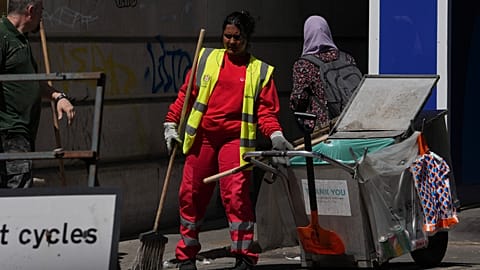
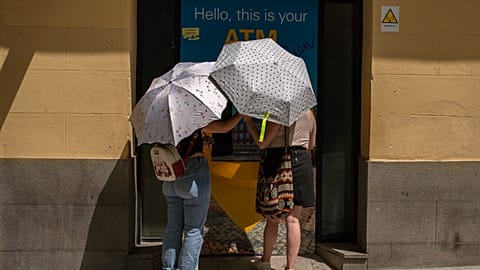
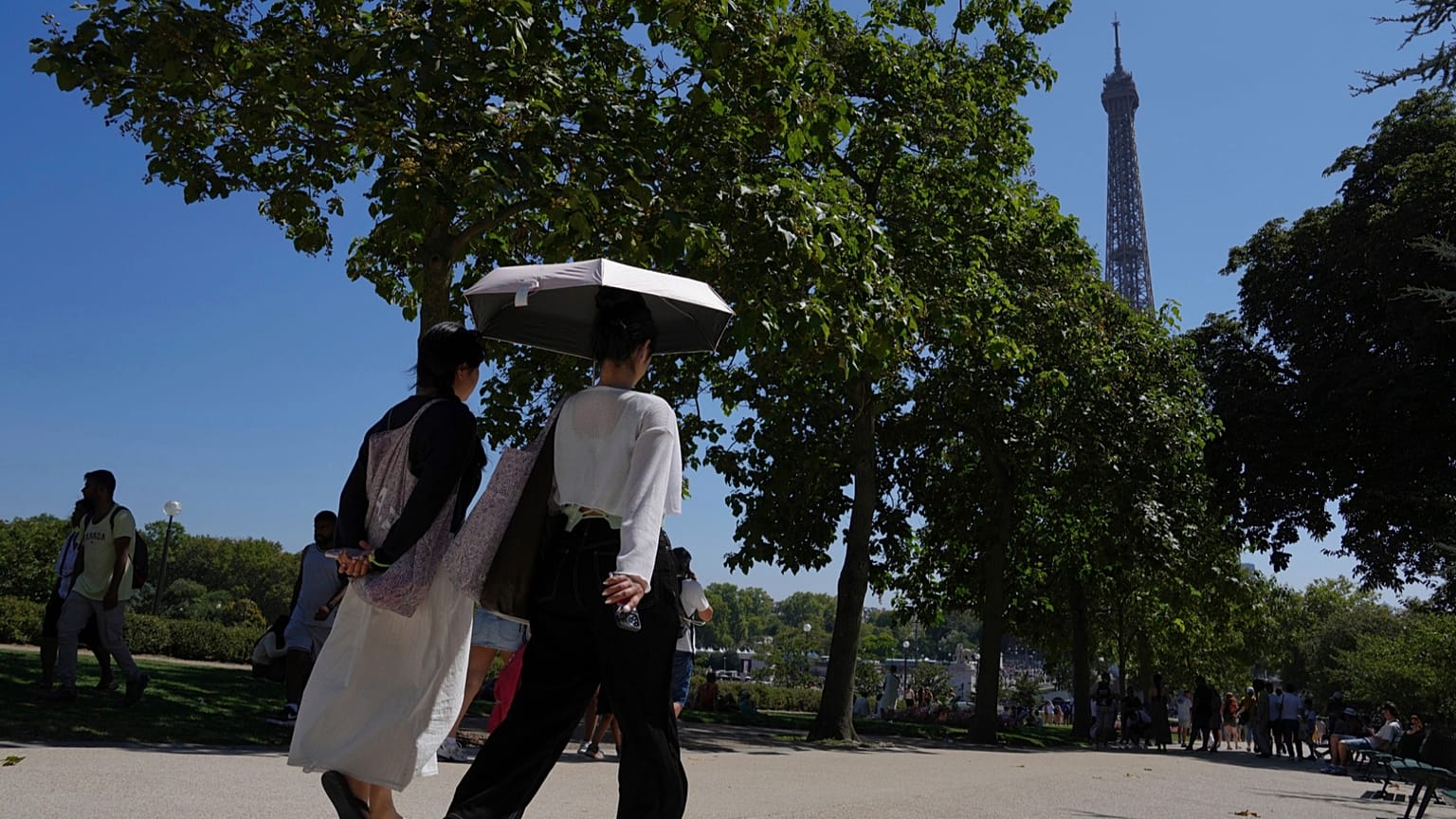
Last month, the country sweltered under a powerful heat dome, with weather agency Météo France declaring that new monthly highs had been logged at 352 weather stations. The highest temperature of 37.1°C was registered near Hossegor, close to Biarritz, on Monday 25 May.
The unusually scorching temperatures were linked to a slew of deaths, including a 53-year-old runner who died during a race in Paris.
Scientists say the “unprecedented” heatwave had a one in 1,000 chance of happening at this time of the year, based on records dating back to 1979. But one expert warns that the intense heat has “the fingerprints of climate change all over it”.
Friederike Otto, a professor of Climate Science at Imperial College London, says the science is very clear: “Climate change makes these heatwaves hotter, longer and far more frequent.
“The climate we’re living in today is simply not the one we grew up with, and our buildings and infrastructure are woefully unprepared for what’s next.”
Was France prepared for the heatwave?
France has been bracing for extreme heat for years, particularly in cities like Paris that often fall victim to the urban heat island effect. This is where city infrastructure such as concrete and asphalt absorbs heat, keeping outdoor temperatures high.
In 2023, the ‘Paris at 50°C’ initiative saw two arrondissements help prepare residents for a future of intense heat by bringing together urban planners, health experts, scientists and public authorities to assess vulnerabilities across key sectors including housing, healthcare, energy and public space.
A review of the exercise found that extreme heat poses a serious threat to public health in France, particularly among vulnerable communities. Infrastructure such as the metro and rail lines was also found to be at risk from rising temperatures.
Efforts to remove heat-trapping materials such as asphalt and parking spaces have transformed Paris in recent years, paving the way for more trees and plants that provide shade and help improve air quality.
The country’s flagship Green Fund has been helping communities to adapt to climate change, already providing financial support to more than 25,000 projects carried out by more than 13,000 actors in the territories, including more than 11,000 municipalities in continental France and overseas.
France accused of ‘climate denial’
The Green Fund’s commitment represents €4.5 billion in state subsidies and covers energy renovation of local public buildings, improvement of air quality, prevention of floods and restoration of nature.
However, the fund’s budget has been quietly shrinking - decreasing from €2.4 billion in 2024 to €873 million in 2026.
Marine Tondelier, leader of the country’s green party, shared a screenshot of an article from French news organisation Contexte, which states the Green Fund has seen its spending authorisation cut by €163 million, or almost 20 per cent of the initial budget.
“After demonstrating its complete lack of preparedness during the eight days of a historic heatwave, here are the government's climate change adaptation measures,” the politician wrote on X (formerly Twitter).
“This level of incompetence and stubbornness in the wrong direction amounts to climate denial.”
Back in April, France announced it was looking to slash €4 billion in spending this year to keep its public finances under control, following the economic fallout from the war on Iran.
According to Le Monde, the €163 million cut to the Green Fund could be released later in the year if needed – or cancelled outright.