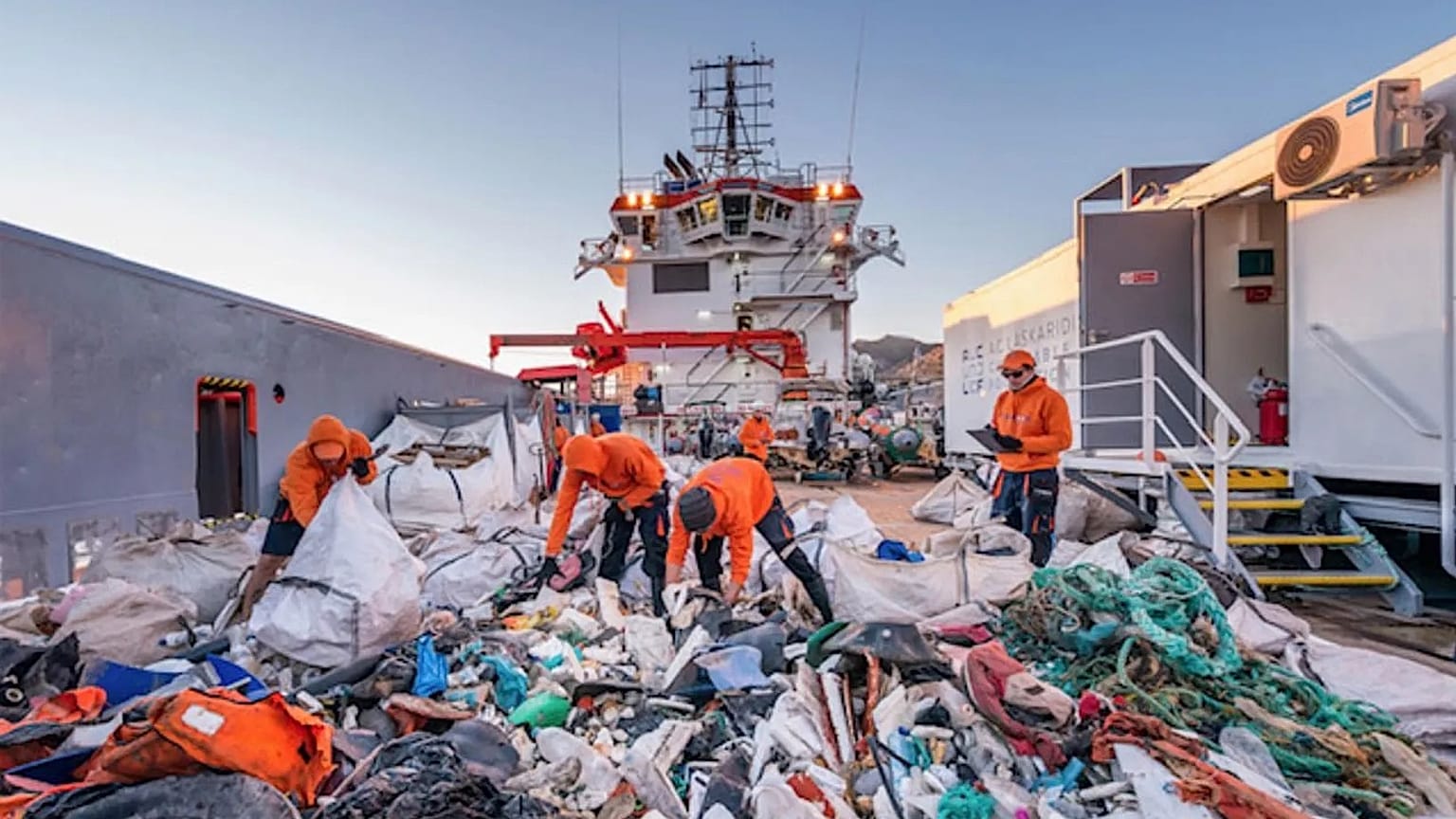













Volunteers have helped transformed coastal areas across a slew of popular Greek islands.
Half a dozen Greek islands have witnessed a coastline glow-up, thanks to the second round of cleaning operations under the 'Typhoon Project'.
 ADVERTISEMENT
ADVERTISEMENT
ADVERTISEMENT
Now in its seventh year of operation, the Typhoon Project has helped clean more than 4,800 stretches of coastline, removed over 1,090 tonnes of waste and created one of the most important databases on coastal pollution in Greece.
The Athanasios C. Laskaridis Public Benefit Foundation, which has recently worked on six Cycladic islands, confirmed that systematic, repeated action delivers tangible results in the protection of the country's coastline.
Operations were carried out on Syros, Mykonos, Delos, Antiparos, Despotiko and Keros.In all areas there was a noticeable reduction in pollution compared with the first clean-up cycle, highlighting both the effectiveness of the interventions and the gradual strengthening of environmental awareness within local communities.
How the Typhoon Project is cleaning-up Greek beaches
In total, Typhoon Project teams visited 575 beaches, 468 of which were already clean, while clean-up operations were carried out on the remaining 107.
During the missions, hundreds of thousands of items of waste and dozens of tonnes of material were removed from the coastal environment, making a substantial contribution to the restoration of fragile ecosystems.
The results of the second cycle are particularly encouraging:
- Delos: 75% reduction in pollution levels, the biggest improvement among the islands.
- Keros: 60% improvement, confirming the positive impact of repeated action.
- Despotiko: 50% reduction in pollution.
- Syros: 33% improvement.
- Antiparos: 31% improvement.
- Mykonos: 29% improvement, despite the very high volume of waste the island continues to receive.
Local communities working together
The involvement of local communities was also crucial. On Mykonos, 918 pupils took part over six days in cleaning three beaches, sending a powerful message about the importance of protecting the natural environment.
At the same time, on Syros, the Typhoon Project team worked with students from the Merchant Marine Academy, strengthening environmental awareness among the maritime professionals of tomorrow.
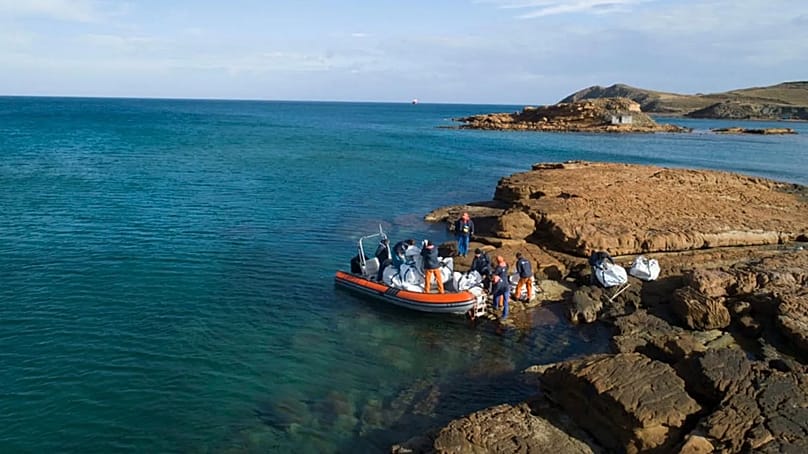
The results for each island are as follows:
- Syros: Visits to 140 beaches, 124 of which were already clean and 16 were cleaned. A total of 53,539 items of waste were collected (4.7 tonnes, 118 m³), while pollution levels fell by 33%.
- Mykonos: Of the 109 beaches surveyed, 78 were clean and clean-ups were carried out on the remaining 31. A total of 744,048 items of waste were collected (11.3 tonnes, 290 m³), improving conditions by 29%.
- Delos: On 39 beaches, 30 were clean and 9 required intervention. A total of 57,113 items of waste were removed (2.5 tonnes, 73 m³), recording the greatest improvement, at 75%.
- Antiparos: Of the 205 beaches visited by the team, 181 were already clean. A total of 77,210 items of waste were collected (3.5 tonnes, 104 m³), reducing pollution by 31%.
- Despotiko: Visits to 69 beaches, 51 of which were clean. A total of 90,038 items of waste were collected (4.9 tonnes, 120 m³), cutting pollution by 50%.
- Keros: On 13 beaches, clean-ups were carried out on 9, while the remaining 4 were clean. A total of 17,972 items of waste were collected (1.6 tonnes, 45 m³), showing a 60% improvement.
The findings of the second cycle show that sustained field presence, scientific recording of data and the active participation of citizens can significantly reduce coastal pollution and improve the state of Greece’s shores.