






























Kazakhstan has offered to store Iran’s near-weapons-grade uranium to break the deadlock in US–Iran talks, as IAEA chief Grossi backed the neutral plan.
Kazakhstan has said it was willing to store Iran's near-weapons-grade uranium stockpile, in a possible solution to one of the key stumbling blocks to the ongoing US–Iran peace deal negotiations.
 ADVERTISEMENT
ADVERTISEMENT
ADVERTISEMENT
The proposal comes as the US and Iran have continued to exchange fire while Tehran said it has paused mediated communication with Washington, further straining already fragile talks.
International Atomic Energy Agency Director General Rafael Grossi said Kazakhstan could host the existing material, and President Kassym-Jomart Tokayev expressed support for the idea during a meeting with Grossi in Astana last week, positioning Kazakhstan as a potential neutral custodian of the stockpile.
“We are signalling our willingness to provide technical assistance in good faith, subject to the achievement of the necessary international agreements among all parties,” Yerlan Zhetybayev, spokesperson for Kazakhstan’s Ministry of Foreign Affairs, said at a briefing on Monday.
Kazakhstan has been widely cited as a model for nuclear disarmament. After the Soviet Union collapsed in 1991, Kazakhstan inherited one of the world's largest nuclear arsenals — some 1,400 warheads — and voluntarily dismantled it by 1995, closing the Soviet Semipalatinsk nuclear test site and renouncing nuclear weapons entirely.
Kazakhstan’s offer comes as negotiations between Washington and Tehran continue to face difficulties over key issues, including Iran's uranium stockpile and unblocking the crucial Strait of Hormuz.
The latest US proposals reportedly include a 60-day ceasefire framework, discussions on reopening the key waterway — through which one-fifth of global oil trade had passed prior to the war — and a broader return to talks that would prevent Tehran from obtaining a nuclear weapon.
Estimates suggest Iran holds around 440 kilograms of uranium enriched to 60% — significantly below the 90% threshold required for weapons-grade material, but sufficient, if further enriched, to produce 10 to 12 nuclear devices.
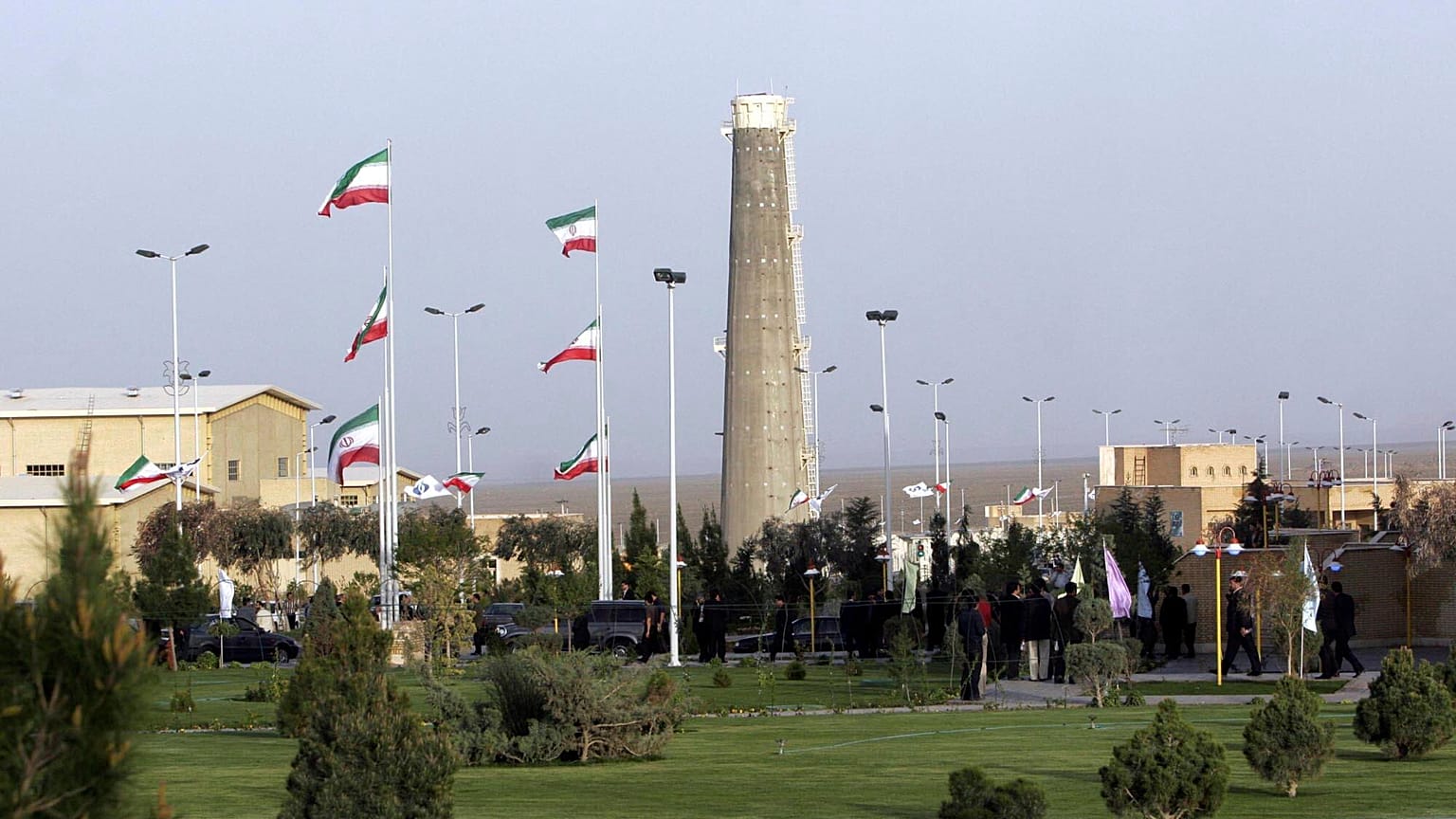
The material is believed to be located beneath the rubble of Iran's nuclear facilities of Natanz, Fordow and Isfahan, which have been heavily damaged in previous strikes.
The extent of damage to the underground elements of those facilities — where enriched uranium is stored — remains disputed. Satellite imagery published after the strikes showed limited surface damage at Natanz, and the IAEA has said it has been unable to verify the condition of the sites.
Grossi has said the idea of relocation “could be” acceptable to both sides, depending on the outcome of negotiations, adding that “we have a place where this could be stored safely.”
Kazakhstan already hosts the IAEA Low Enriched Uranium Bank, established in 2018 in cooperation with the United Nations nuclear watchdog. It is located at the Ulba Metallurgical Plant in Oskemen in the northeast of the country and became operational in October 2019. The bank was designed to provide fuel assurances for civilian nuclear programmes and reduce proliferation risks.
Iran shipped approximately 11 tonnes of low-enriched uranium to Russia in exchange for natural uranium as a key part of the 2015 nuclear agreement, known as the JCPOA.
US President Donald Trump withdrew the US from that agreement during his first term and has explicitly ruled out Russia or China acting as custodians under any new arrangement.
Trump said last week on Truth Social that Iran’s highly enriched uranium should either be handed over to Washington, destroyed on site, or transferred to “another acceptable location with the Atomic Energy Commission".
Head of Iran’s Parliamentary National Security and Foreign Policy Committee Ebrahim Azizi has rejected the idea of transferring enriched uranium to a third country, saying Tehran will not move its stockpile abroad, maintaining that Iran’s nuclear programme is non-negotiable.