






























The Central Asian nation is leveraging its uranium wealth, cutting-edge research and strategic partnerships to develop nuclear power and medical innovations, charting a path toward carbon neutrality while emerging as a key player in global energy.
With nuclear energy making a global comeback, Kazakhstan is positioning itself as one of the world’s most influential players. The country is already the top producer of uranium, holding around one million tonnes in reserves — enough for several decades of production — yet it does not generate nuclear power for its own grid.
 ADVERTISEMENT
ADVERTISEMENT
ADVERTISEMENT
As the uranium-rich country pushes towards carbon neutrality by 2060 while still relying on coal for 70% of its electricity, the move towards nuclear energy has become increasingly urgent. The Central Asian nation is now entering what officials call its second nuclear revival. Its Soviet-era BN-350 fast reactor near Aktau was shut down in 1999 and is currently being decommissioned.
The government plans to build several nuclear power plants over the coming decades — one with Russia’s Rosatom and two more with Chinese partners. Details of the Chinese-backed projects are still under negotiation, but officials say they are intended to diversify Kazakhstan’s long-term energy mix.
The first station with Rosatom is expected to launch by 2035. Recently officially named the Balkhash Nuclear Power Plant, in line with global practice of naming stations by geography, it will include two Generation III+ pressurised water reactors with a combined capacity of 2.4 GW. Both countries are now focused on site-selection, which began in August 2025, to identify the safest location in the seismically active Almaty region near the village of Ulken.
Asset Makhambetov, Deputy Chairman of Kazakhstan’s Agency for Atomic Energy, says the chosen technology includes “all the passive and active safety systems needed to ensure safe and reliable operation of the reactor, and all the lessons learned from Fukushima and Chernobyl, so that kind of accidents won't happen in the future.”
On radioactive waste management, the Agency says Kazakhstan is already working with its technology provider on ways to minimise waste volumes.
Emerging nuclear innovation hubs
As Kazakhstan accelerates its nuclear ambitions, it is also broadening the ecosystem around them. The country has mined uranium for more than 50 years, supporting a wide spectrum of nuclear research. Earlier this year, President Tokayev announced plans to create two science cities — in Almaty and Kurchatov — focused on nuclear energy and medicine. The Institute of Nuclear Physics in Almaty and the National Nuclear Centre in Kurchatov will anchor these efforts.
Last year, the Institute of Nuclear Physics began exporting technetium-99 radiopharmaceuticals to Kyrgyzstan with support from the International Atomic Energy Agency. These materials are widely used in medical imaging, including cancer and cardiac diagnostics — a sign of how Kazakhstan seeks to translate nuclear expertise into broader public benefit.
“Right now, we are developing the long-term strategy for nuclear industry development of Kazakhstan up to 2050,” said Makhambetov.
Expanding Kazakhstan’s fuel cycle
Kazakhstan currently concentrates on uranium mining, fuel production and technology exports. The national operator, Kazatomprom, manages the front end of the nuclear fuel cycle, including exploration, mining and fabrication of fuel components. The company now plans to expand into additional stages of the cycle, potentially including conversion and enrichment — a move that would further strengthen Kazakhstan’s position in global supply chains.
Although Kazatomprom is working to expand its resource base through new mining licences, it plans to reduce production by 10% next year. CEO Meirzhan Yussupov maintains a positive outlook.
“We are sticking to our value-over-volume strategy. And we see that there is increasing interest in nuclear energy, given the pledge by more than 20 countries to triple their nuclear capacity by 2050. Many new builds of nuclear power plants are being announced globally, there is increasing demand for energy by big tech and increasing AI. And also a lot of analysts are forecasting structural deficit of uranium in the next decade,” says Yussupov.
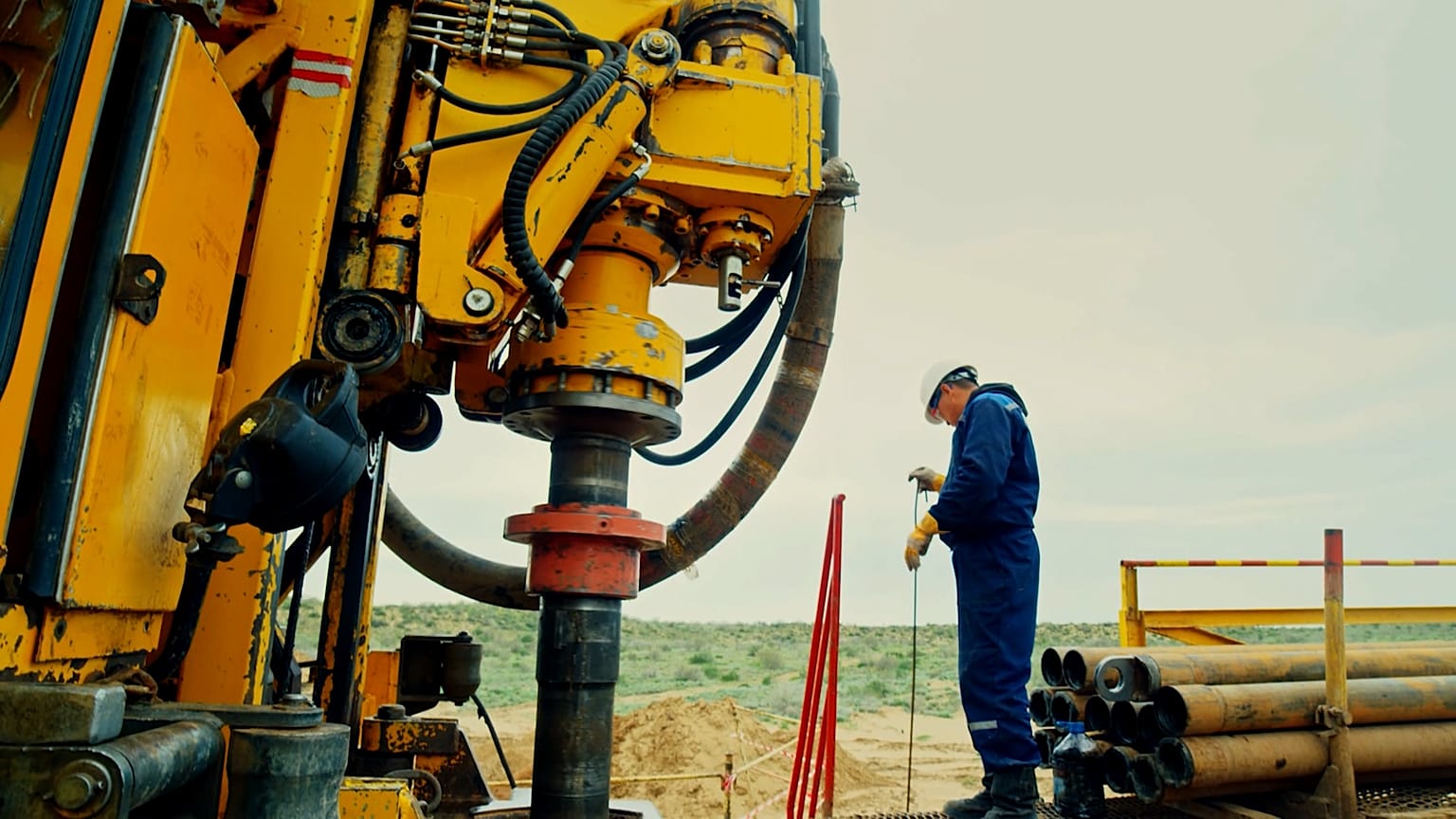
Kazatomprom’s competitive advantage comes from Kazakhstan’s extensive reserves suitable for in-situ recovery (ISR) mining, which is cheaper and less invasive than conventional extraction. Kazakhstan’s uranium production is now almost entirely based on this method.
With six decades of experience in civil nuclear materials and fuel-component production, the country also exports low-enriched nuclear fuel to reactors in China. The fuel pellets and assemblies are produced at Kazatomprom’s Ulba Metallurgical Plant, which last year reached its full annual production capacity of 200 tonnes.
Nuclear power for progress
Since independence, Kazakhstan has actively advanced peaceful nuclear initiatives. It voluntarily relinquished the nuclear arsenal inherited from the Soviet Union, closed the Semipalatinsk test site after more than 400 nuclear explosions, and helped establish the Central Asian Nuclear-Weapon-Free Zone. In 2015 it also initiated a UN General Assembly resolution calling for the total elimination of nuclear weapons.
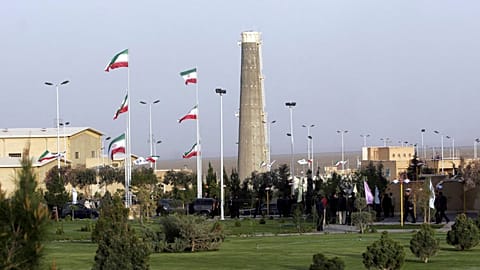
Today Kazakhstan hosts the world’s Low Enriched Uranium Bank at the Ulba Metallurgical Plant. Run by the International Atomic Energy Agency, the bank serves as a physical reserve of reactor-grade uranium that member states can access in case of supply disruption. Operational since 2019, it stores 90 tonnes of uranium hexafluoride supplied by Kazakhstan and France, which remains unused so far.
According to Ulba Metallurgical Plant Sales Director Alexander Khodanov, “radiation levels on the warehouse premises remain within permissible limits.” The safe storage of low-enriched uranium, he says, is ensured “through a set of organisational and technical measures that prevent any harmful impact on the environment.”
Through these combined efforts — from safe reactor design to international collaboration and research innovation — Kazakhstan is positioning itself as a central player in the global nuclear energy landscape.