




























Many consumers want to know how long it will take them to make back the upfront costs of solar.
Europe’s reliance on imported fossil fuels has come under fire since the Iran war sparked a new energy crisis. The IEA chief Fatih Birol said this week that "no country will be immune to the effects of this crisis”.
 ADVERTISEMENT
ADVERTISEMENT
ADVERTISEMENT
But what if you, as a consumer, could rely less on energy that’s pumped into your home from the grid and more on energy created in your home or local area?
Can home solar panels help during an energy crisis?
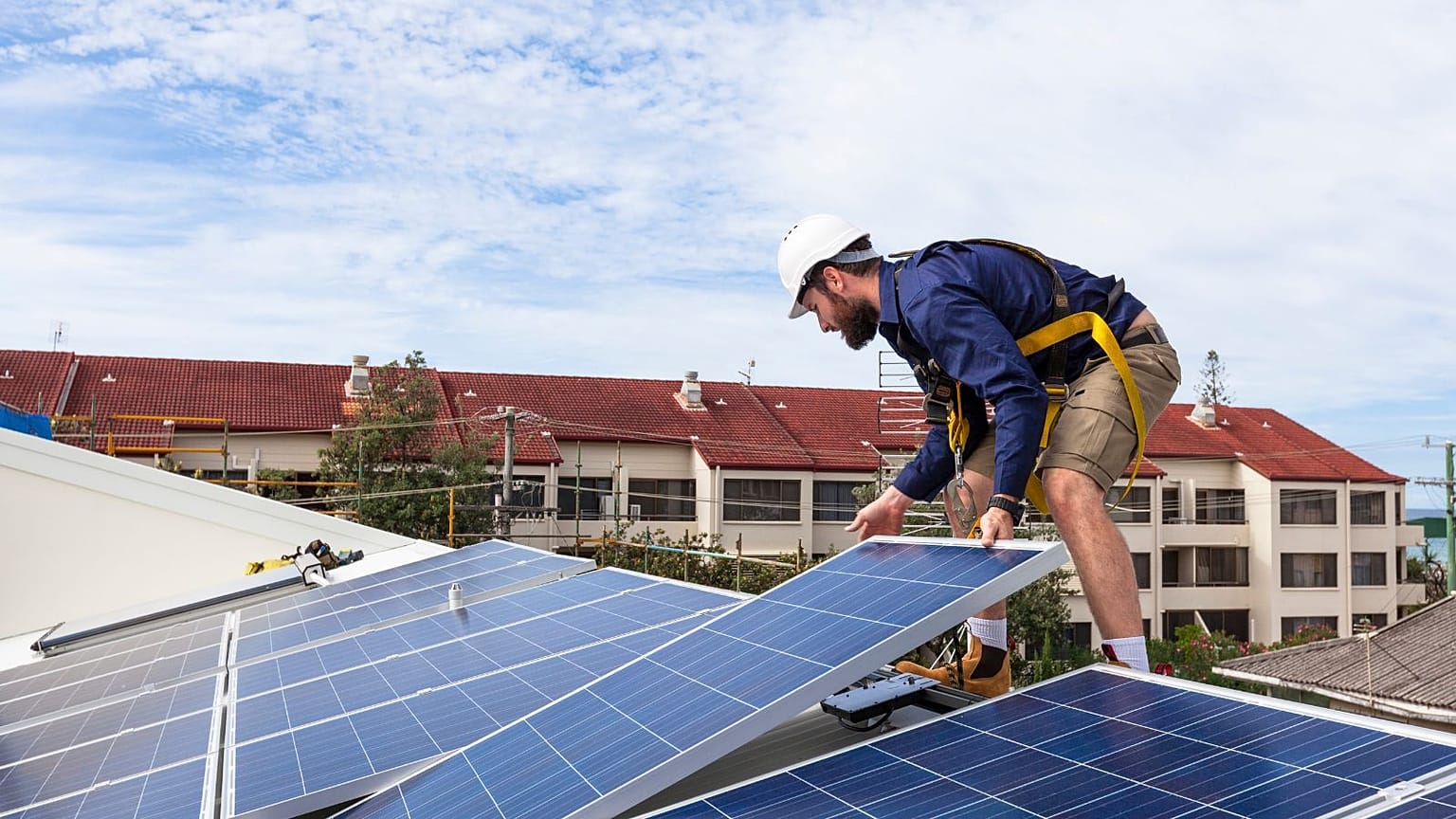
Installing solar panels on your home or business is common in many European countries. But they really come into their own during energy crises.
“If you’ve got a solar roof on your home and you’ve got a battery then, depending on how much energy you can generate, you are substantially insulated from importing electricity,” explains Matthew Clayton, CEO of UK-based Thrive Renewables.
Dynamic tariffs are becoming more common in Europe. This is where the price of electricity varies throughout the day and night, with costs going up during peak periods, like dinner time, when households are using more.
This means that if you store up solar power during daylight hours, when the sun is at its strongest, then you can use that energy, rather than drawing it from the electricity grid, during the most expensive periods. “Your relationship with the grid is totally changed,” says Clayton.
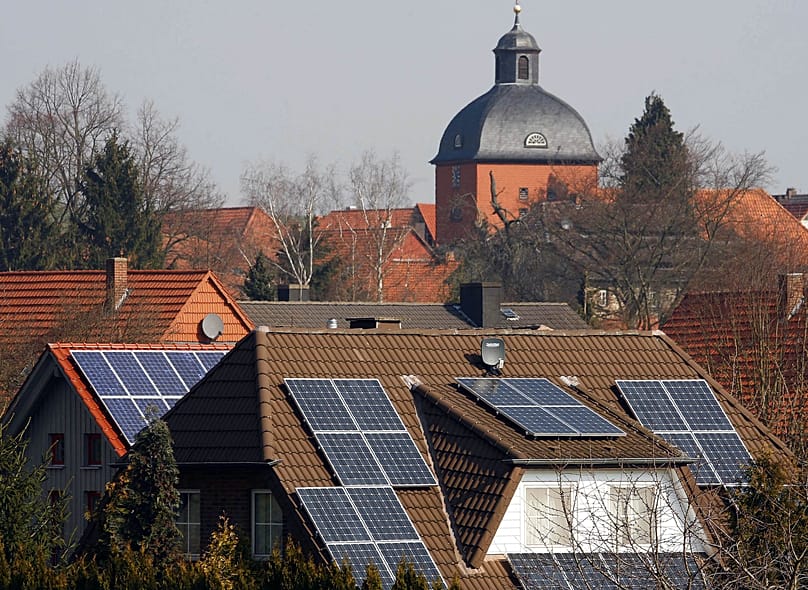
Are solar panels worth if you don't live in a sunny country?
Spain is leading the way in weaning itself off imported fossil fuels by investing in renewables, thereby reducing prices for consumers.
“Spain’s wind and solar growth has reduced the influence of expensive fossil generators on the electricity price by 75 per cent since 2019. This decline in the hours where the electricity price was tied to gas power cost was faster than in other gas-reliant countries, such as Italy and Germany,” according to energy think tank Ember.
Spain is lucky to benefit from lots of sunshine and wind. But systems are getting more sophisticated, allowing people in less sunny countries to still benefit from homegrown renewable energy.
It’s typically easy to find local companies who can advise you on whether your home would be suited to solar panels, what it will cost you to install them and how much energy you can expect to generate.
How long does it take to make back the cost of plug-in solar?
For the many Europeans who live in apartments or other types of accommodation where they don’t own the building, rooftop solar is not realistic. That’s where plug-in solar comes into its own.
Plug-in solar is small solar panels that you can buy at a supermarket, attach to an external wall and plug into a power socket inside your home.
Plug-in solar fitted to balconies is especially popular in Germany, with more than a million sets installed between 2022 and 2025. The price halved during the same period, with small models costing around €200 and large ones that include storage costing less than €1,000.
According to Solar Power Europe, it takes an average of two to six years to recoup the cost of the system, depending on what you paid for it, its size and where you mount it.
Are UK homes well-suited to plug-in solar?
The UK government recently announced that plug-in solar will be allowed in British homes for the first time.
The news was met with excitement by Brits, who pay the third highest electricity prices in Europe, according to Statista.
“This makes solar feel suddenly reachable for everyone. I love how it turns something complex into something as simple as plugging in a device. Suddenly energy independence feels practical,” says entrepreneur Sara Kukovec.
Others are already thinking up ways to make them work on houses without balconies, with patent attorney Ed Clarke enthusing, “This sounds amazing. I'll need to design a contraption to attach them to the sunny front of my house!”
As many UK homes have ageing, modified or poorly maintained electrics, it’s important to have them checked by a professional. “Before purchasing or plugging in any off-the-shelf generation product, householders should have their electrical installation checked by a competent electrician. What may be safe in one home may pose a significant risk in another. Professional verification is the only way to be sure.” says Mark Coles, Head of Technical Regulations at the Institution of Engineering and Technology.