















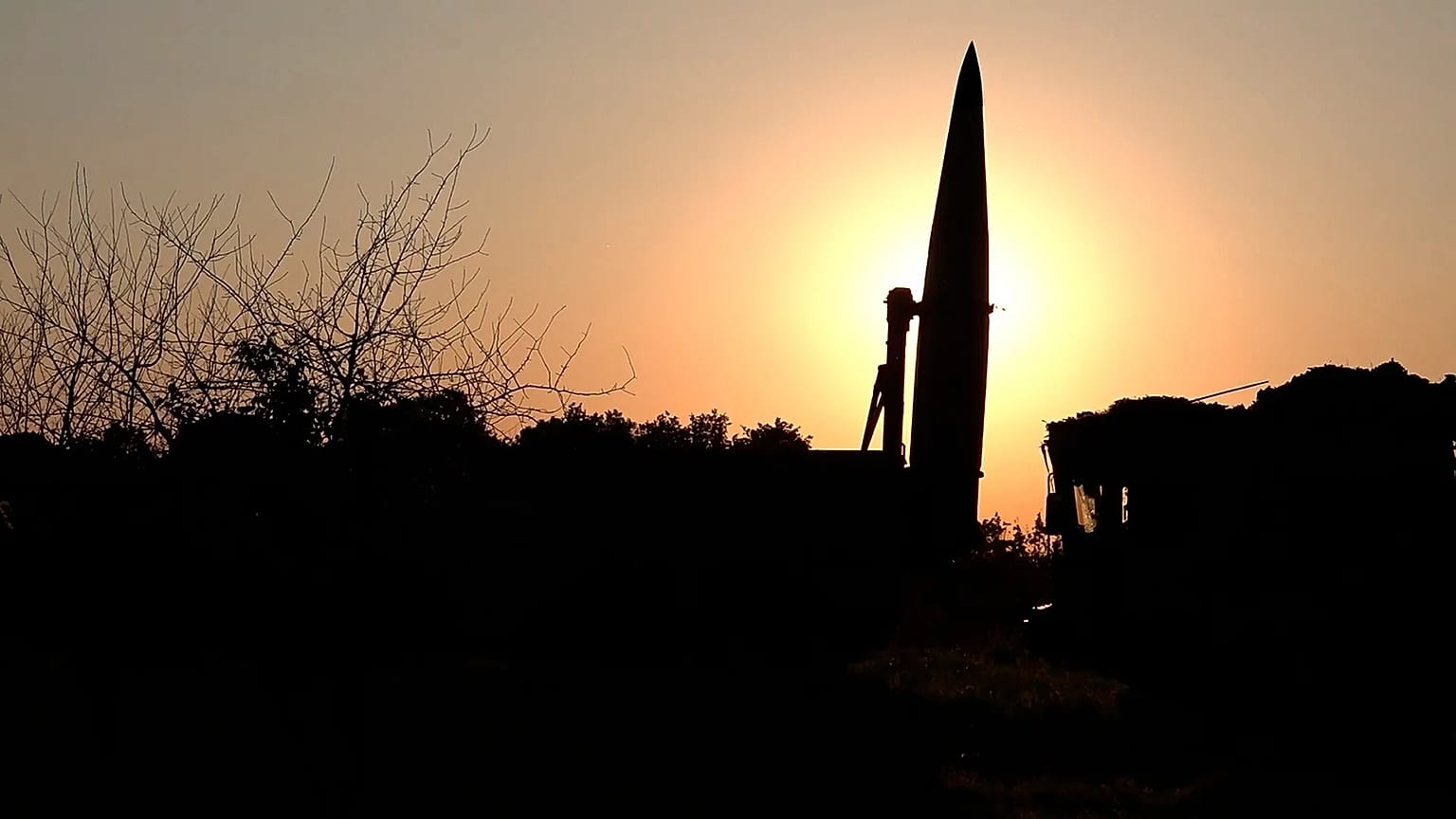













Nearly all of the nine nuclear-armed states have started increasing their arsenals or have announced plans to do so, according to authors of the annual Nuclear Weapons Ban Monitor report.
Nuclear states stepped up their production and deployment of the weapons last year, monitors said on Thursday, calling it a "concerning development" at a time of intensifying armed conflicts.
 ADVERTISEMENT
ADVERTISEMENT
ADVERTISEMENT
Nearly all of the nine nuclear-armed states - Russia, the United States, China, France, the United Kingdom, Pakistan, India, Israel and North Korea - have started increasing their arsenals or have announced plans to do so, according to authors of the annual Nuclear Weapons Ban Monitor report.
"The era of nuclear reduction is over," said Hans Kristensen, director of the Nuclear Information Project at the Federation of American Scientists (FAS) and a lead contributor to the report.
Speaking to reporters in Geneva, he warned that this marks "an enormous shift."
The report, published by FAS and Norwegian People's Aid (NPA), estimated that the number of nuclear weapons quickly available for use hit 9,745 last year, an increase of 141 warheads over 2024.
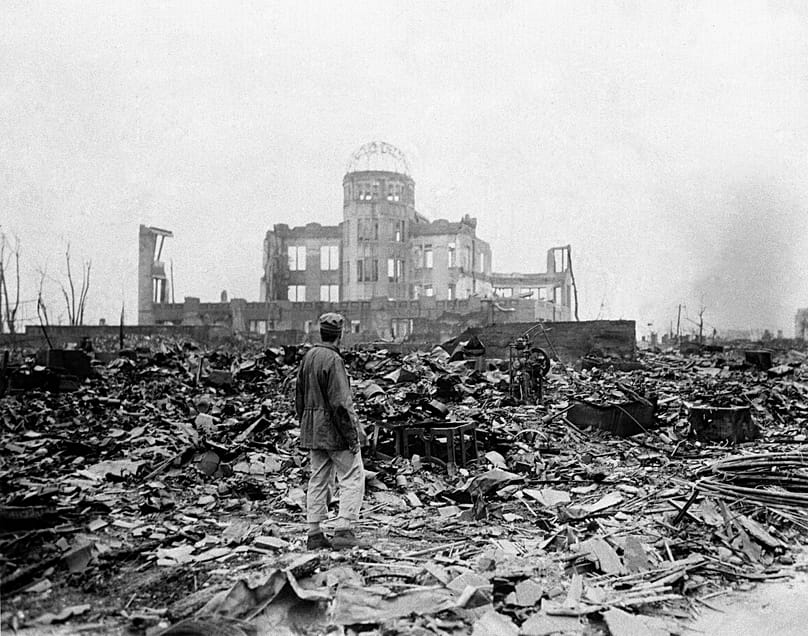
That is the equivalent of 135,000 Hiroshima-sized bombs, just one of which killed 140,000 people in 1945, the monitor said.
And 40% of those warheads, 4,012 of them, had been deployed on ballistic missiles in silos, on mobile launchers, submarines or bomber bases last year, said the report, marking a hike of 108 from 2024.
"The continued annual rise in deployed warheads is a concerning development," Kristensen said, warning that it was "increasing the risks of rapid escalation, miscalculation, and accidental use."
"This make the world more dangerous for us all."
New arms race
There are still fewer nuclear weapons in the world than at the peak of the Cold War.
The report said the nuclear-armed states possessed 12,187 warheads combined at the start of this year, compared to more than 70,000 such weapons in the mid-1980s, and a reduction of 144 weapons from early 2025.
But the move to make more nuclear weapons ready to use was all the more concerning against a backdrop of escalating conflicts in Europe, Asia and the Middle East involving nuclear-armed states, the monitor said.
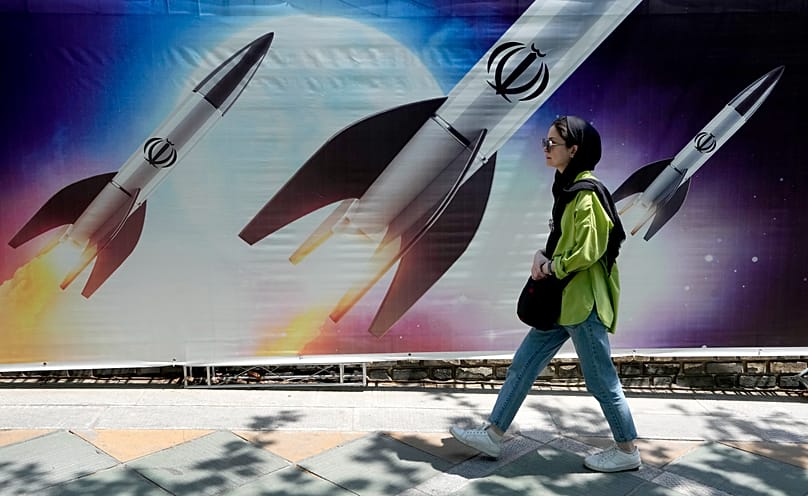
It also highlighted "the erosion of the long-standing disarmament, non-proliferation, and arms control regime", including the lapsing last month of New START, the last treaty between top nuclear powers Russia and the United States.
"What we are witnessing is more than a new arms race," NPA chief Raymond Johansen warned in a statement.
"It is a reversal of hard-won constraints on nuclear dangers."
'Nuclear posturing on autopilot'
The monitor detailed how the world was pulling in opposite directions on the nuclear issue, with a growing number of countries signing on to efforts towards a total ban on all atomic weapons.
By the end of 2025, 99 countries had joined the Treaty on the Prohibition of Nuclear Weapons (TPNW), either as parties or signatories, which was negotiated at the UN in 2017.
None of the nine countries known to possess nuclear weapons have joined the treaty.
Instead, they are investing heavily in modernising and expanding their arsenals.
"All the nuclear weapons states...except Israel are already increasing their arsenals or have announced recently plans to do so," Kristensen said, also decrying the increasingly aggressive messaging around the weapons.
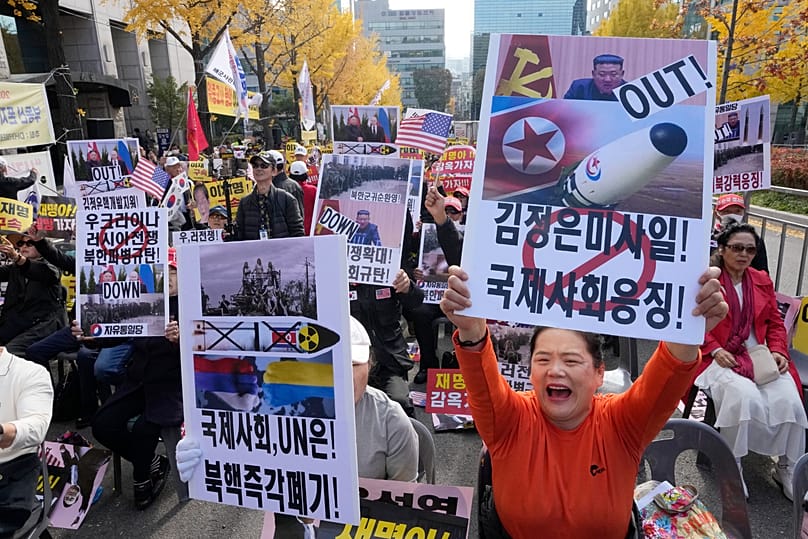
"Nuclear posturing is on autopilot."
And 33 so-called "umbrella" states "actively support and reinforce these policies," the statement said.
In all, 47 countries actively oppose the TPNW, with three-quarters of them in Europe, it said.
But there is "no shelter to be had under a nuclear umbrella," said Melissa Parke, head of the International Campaign to Abolish Nuclear Weapons, which won the 2017 Nobel Peace Prize for its work championing the treaty.
"They must join the global majority supporting total nuclear disarmament," she said in the statement.