




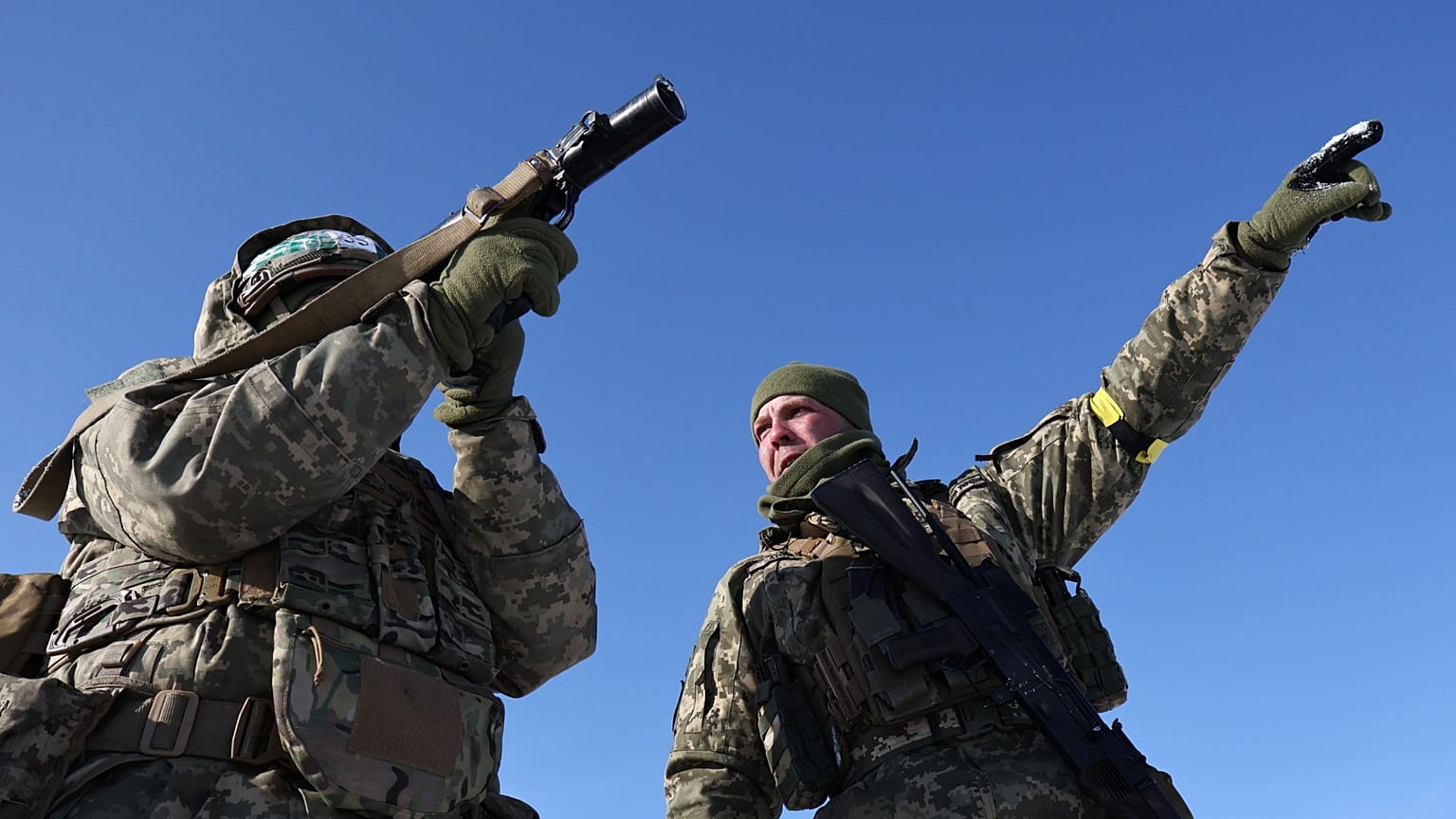













Ukraine is coming to the talks in Geneva with the significant counteroffensive momentum on the ground. Over the past several days Kyiv troops regained territories from Russian forces, wiping out weeks of Moscow gains, with the help of Elon Musk and Starlink.
Ukrainian forces are ramping up the pace and the scale of Kyiv’s counteroffensive, after they have managed to wipe out weeks of Russia’s gains and liberated multiple small settlements in southeastern Ukraine in the region of Zaporizhzhia over the past week, reports show.
 ADVERTISEMENT
ADVERTISEMENT
ADVERTISEMENT
According to the US-based Institute for the Study of War think tank (ISW), the main Ukrainian advance has been recorded roughly 80 kilometres east of Zaporizhzhia city, where Russian forces had been making gains since the summer of 2025.
Ukrainian forces have also regained control of territory in north-eastern and eastern Ukraine, on the Kharkiv, Kostiantynivka, Pokrovsk and Novopavlivka fronts.
Kyiv troops started slowing down Russian troops about a week ago and in many areas largely stopped their advance.
The Starlink factor
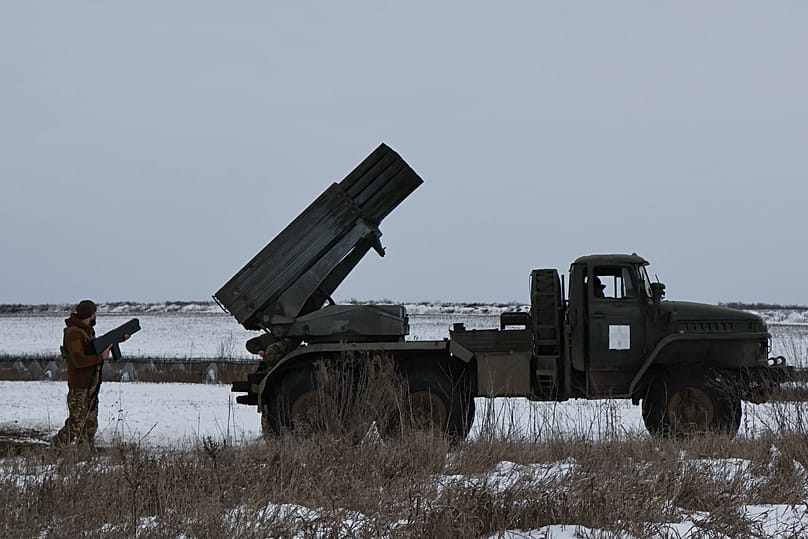
The ISW stated that the Ukrainian counterattacks are likely leveraging the recent block on Russian forces’ access to Starlink.
From the beginning of February, Ukraine’s defence ministry and Elon Musk’s SpaceX have blocked Russian troops from using Starlink to operate and control attack drones over Ukraine.
Despite numerous statements from SpaceX that the company does not sell or ship Starlink to Russia and "does not do business of any kind with the Russian government or its military," Ukrainian authorities informed the company that Moscow troops had been mounting Starlink systems on Russian attack drones to strike deeper into Ukraine.
Ukrainian officials said they collected evidence of “hundred” of attacks by Starlink- equipped drones. This allowed Russian operators to bypass Ukraine’s electronic defences that disable drones by jamming GPS and radio signals.
While SpaceX took necessary measures from its side, Ukraine also launched a verification of all Starlink terminals in the country in response to the unauthorised use of Starlink by Russian forces.
Since then, Russian troops and the Kremlin-affiliated milbloggers complained about communications and command and control issues on the battlefield.
Kyiv officials stated that the Russian military command is preparing for the summer 2026 offensive in the Slovyansk-Kramatorsk direction or the Orikhiv-Zaporizhzhia city direction — or both — but Russian forces are now struggling to seize the necessary starting positions to launch the offensive on the command’s intended timeline.
Ukrainian cyber forces’ operation
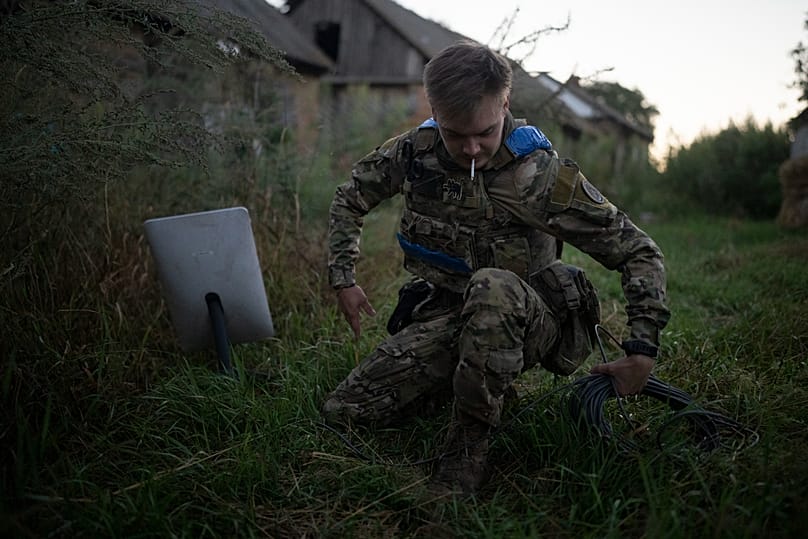
As Russian troops lost their unauthorised access to Starlink and as Kyiv introduced a mandatory registration and Starlink "whitelist system,” Moscow forces have been trying to find a solution and possibly a loophole in the regulations.
In turn, Ukrainian cyber forces posed as a Russian-linked activation service offering to help restore terminals that had been disconnected under the new registration rules.
Russian soldiers and operators were instructed to submit identifying information and the coordinates of their terminals under the guise that the devices would be reactivated through Ukrainian administrative service centres.
Ukrainian group later said it collected 2,420 data packets related to Russian-used terminals and transferred them to Ukrainian law enforcement and defence agencies.
The data was then provided to authorities "for final transfer into brick mode," meaning the disabling of the terminals.
Ukrainian cyber forces claim the terminals were subsequently deactivated.
The group also said it received €5,000 from Russian soldiers seeking to restore connectivity. The money was donated to Ukrainian drone fundraising efforts.
The operation also helped identify 31 Ukrainian "traitors" who were allegedly willing to assist Russian forces by registering terminals. According to the statement, that information has been forwarded to Ukraine’s Security Service (SBU).