




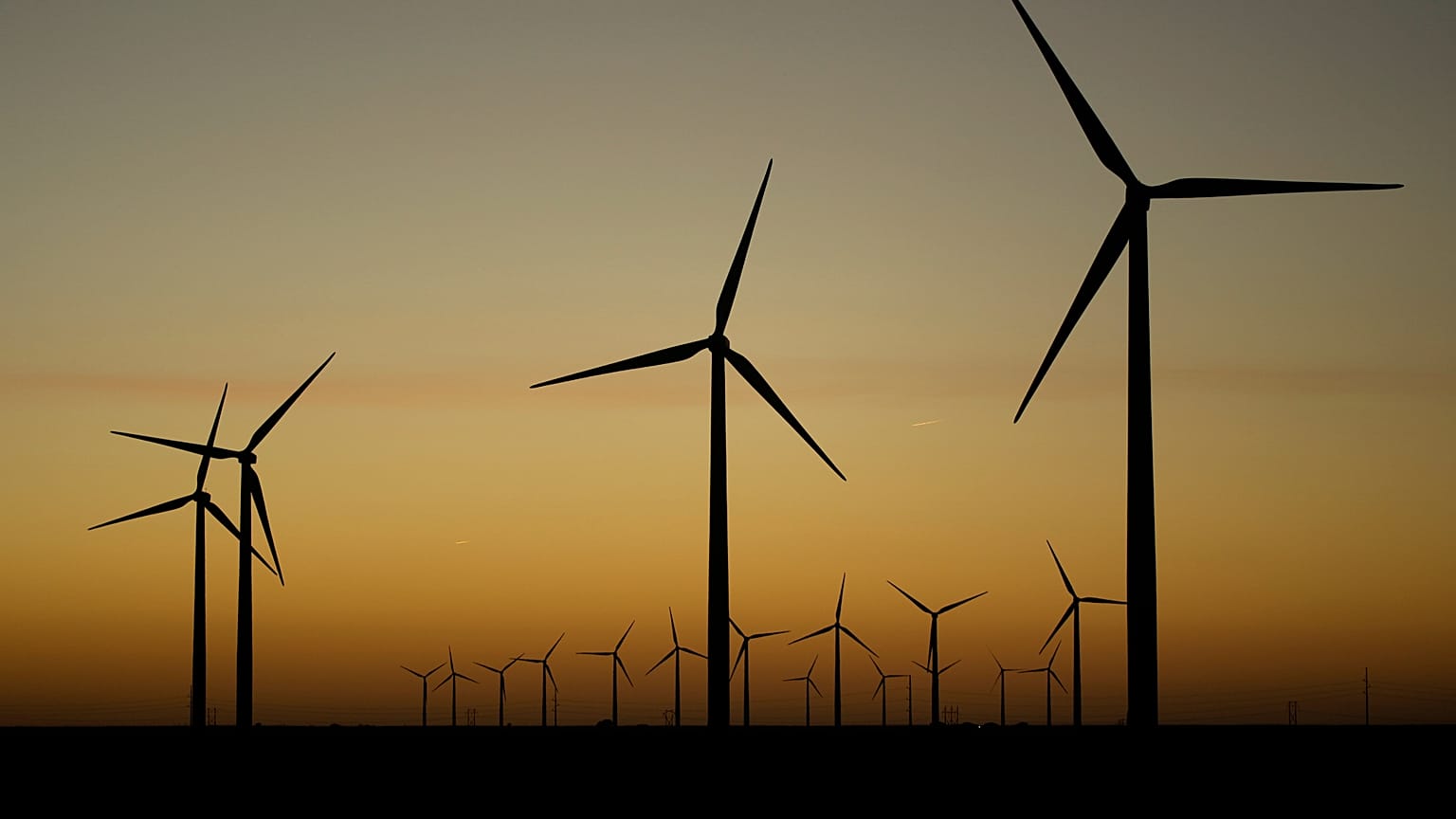














The government is preparing to publish a key energy roadmap, aiming for 60% electricity consumption by 2030, with six new nuclear reactors and a mix of renewable energies.
After months of political deadlock in France over the budget, the government is preparing to move forward on one of its most sensitive policy areas: energy.
 ADVERTISEMENT
ADVERTISEMENT
ADVERTISEMENT
Prime Minister Sébastien Lecornu has confirmed that he will sign, “by the end of next week”, the decree publishing France’s long-awaited multi-year energy programme (PPE), which sets out the country’s energy roadmap through 2035.
In an interview with Ouest-France, Lecornu said the decision was driven by “urgency”, noting that the plan had been delayed for nearly three years due to deep political divisions over the balance between nuclear power and renewable energy.
A central goal: electrifying the economy
At the heart of the strategy is a major objective: raising electricity’s share of France’s total energy consumption to 60% by 2030, up from around 30% today.
“Decarbonising the country requires reviving electricity production,” Lecornu said, underscoring the scale of the shift.
Fossil fuels still dominate key sectors such as transport and heavy industry in France. Electricity demand has also grown more slowly than expected, complicating efforts to cut emissions.
To address this, the government plans to accompany the PPE with a “major plan to electrify energy use”, targeting transport, buildings and industry.
Lecornu said incentives would be needed “to speed things up” to ensure that “60% of our energy consumption in 2030 is electric”.
Nuclear and renewables: a balancing act
Lecornu confirmed that six new EPR nuclear reactors will be included in the energy programme, with eight additional reactors listed as an option, in line with President Emmanuel Macron’s 2022 commitments.
Nuclear power will therefore remain a cornerstone of France’s energy strategy. But the prime minister has repeatedly rejected framing the debate as nuclear versus renewables.
“Pitting nuclear against renewables is a dead end,” he said. “The real battle is to get out of carbon and reduce our dependence on imports.”
That said, the government acknowledges that the slower-than-expected electrification of the economy may lead to reduced targets for onshore wind and solar power in the coming years, a prospect that has raised concerns within the renewable energy sector.
Renewable energy unions were invited to talks at the prime minister’s office ahead of the publication of the plan last Friday and emerged broadly reassured.
The meeting confirmed that there would be “no moratorium on renewable energy”, a clarification the sector had been seeking amid fears of a sudden slowdown.
“There will indeed be calls for tenders to develop solar and wind power,” said Jules Nyssen, head of the French Renewable Energy Association (SER).
He stressed that renewables are essential to cutting CO₂ emissions and strengthening France’s energy independence.
However, Nyssen warned that the government’s preference for upgrading existing onshore wind farms, rather than building many new ones, “will not be enough to meet targets”.
Lecornu has said the state will continue investing in offshore wind, solar power and geothermal energy, as well as onshore wind.
But because onshore wind “sometimes causes local tensions,” the priority will be to replace older turbines with more powerful ones, in order to avoid what he described as landscape fragmentation.
Electricity prices: a key promise
The prime minister also sought to reassure households and businesses worried about rising energy costs.
According to Lecornu, publishing the PPE will not lead to higher electricity prices.
“Electricity prices will not rise in France,” he promised, citing an “ambitious supply strategy,” though without detailing how this would be achieved.
Higher electricity demand would require significant investment in grids and infrastructure, but it could also support new uses such as electric vehicles, heat pumps and hydrogen production.
Political tensions remain
The government’s decision to adopt the energy roadmap by decree (without a parliamentary vote) continues to divide the political landscape.
Far-right leader Marine Le Pen has described the plan’s publication as a “serious mistake,” accusing the government of “forcing through” a project she estimates could cost “at least €300 billion”.
On the other side, Socialist Party leader Olivier Faure has urged the government to move ahead, warning that further delays would effectively “undermine renewable energy”.
Lecornu has defended bypassing a parliamentary vote, arguing that the issue has already been extensively debated.