




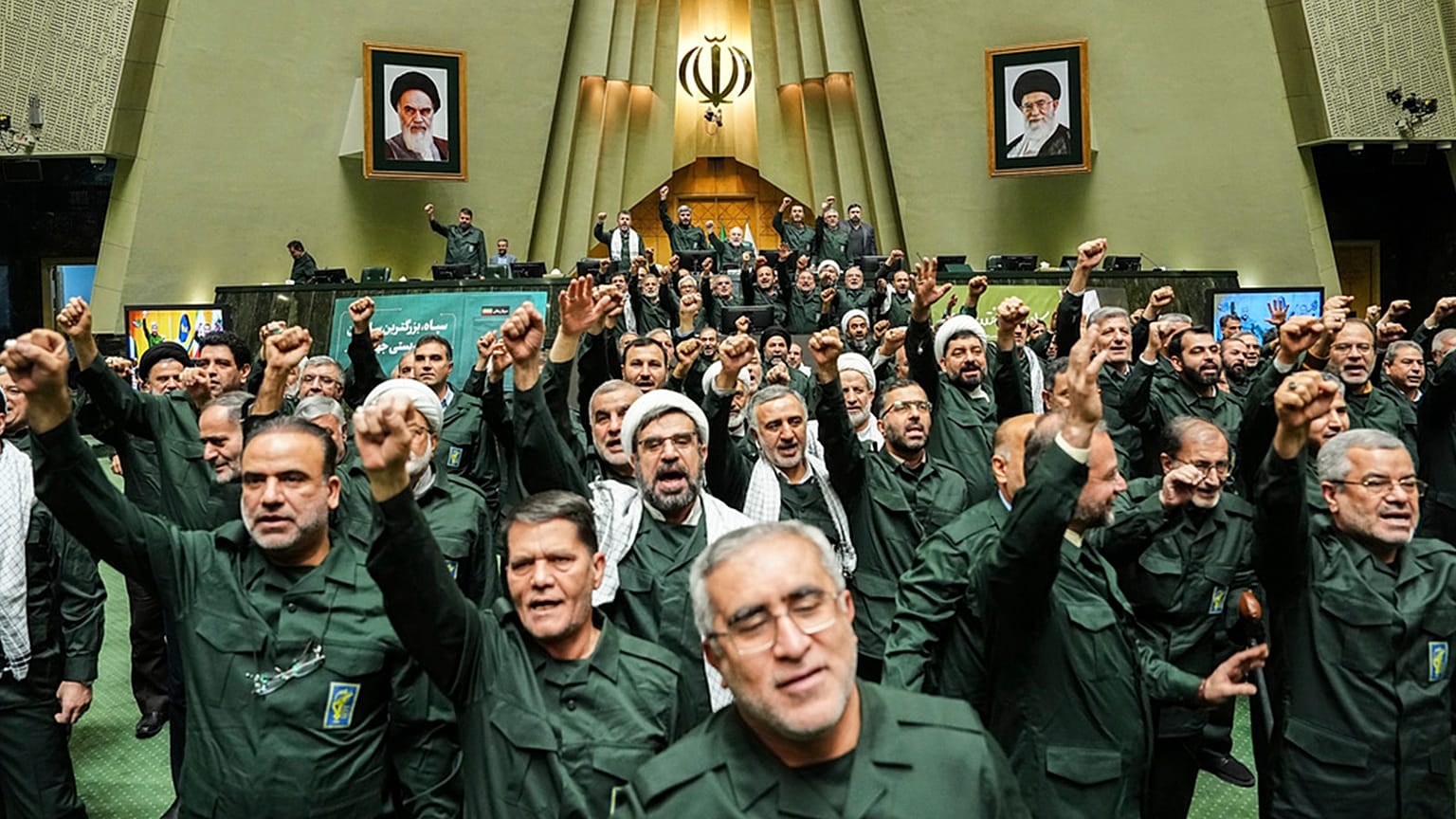













Tehran detains top reformists and tightens pressure on dissent while juggling nuclear talks with Washington and rising military threats from the US and Israel.
Iranian authorities have detained senior figures from the country's reformist political movement, expanding a campaign of repression that began with the violent suppression of protests in which thousands died.
 ADVERTISEMENT
ADVERTISEMENT
ADVERTISEMENT
Security forces arrested at least four prominent reformists, according to officials within the movement cited in media reports. The detentions mark a shift from targeting street protesters to pursuing established political figures who have operated within Iran's system.
Those arrested include Azar Mansouri, who heads the Reformist Front representing multiple reform-oriented political groups, and Mohsen Aminzadeh, a diplomat who served in the government of reformist President Mohammad Khatami.
Authorities also detained Ebrahim Asgharzadeh, who in 1979 led the student occupation of the US Embassy in Tehran that resulted in a 444-day hostage crisis.
The detentions appear linked to a January statement in which reformist leaders called for Ayatollah Ali Khamenei, 86, to step down and allow a transitional council to govern Iran.
Tehran prosecutors announced the arrests of four individuals and said others had been summoned for questioning, according to Iran's state-run IRNA news agency. Prosecutors accused the detainees of attempting to destabilise the country while Iran faces military threats from the United States and Israel.
Narges Mohammadi, the imprisoned Nobel Peace Prize laureate, received an additional prison sentence exceeding seven years, demonstrating the authorities' determination to silence critics of the protest crackdown.
Ali Vaez, Iran analyst at the International Crisis Group, described the arrests as a government effort to eliminate even moderate opposition after crushing street demonstrations.
"Having bludgeoned the streets into silence with exemplary cruelty, the regime has shifted its attention inward, fixing its stare on its loyal opposition," Vaez wrote.
"The reformists, sensing the ground move beneath them, had begun to drift — and power, ever paranoid, is now determined to cauterize dissent before it learns to walk."
Support uncertain
Whether reformists retain significant public support remains uncertain. During the protests, demonstrators chanting "Death to Khamenei" and expressing support for Iran's exiled crown prince appeared to reject all politicians working within the Islamic Republic's framework, including reformists.
The government crackdown followed protests that erupted in early January. Human rights organisations and insiders in Iran have reported that more than 30,000 are feared killed in the suppression, although precise casualty figures remain contested. Authorities detained tens of thousands.
The arrests coincide with renewed diplomatic engagement between Tehran and Washington. The two countries held nuclear negotiations in Oman last week, their first talks since US airstrikes on Iranian nuclear facilities in June during a 12-day conflict between Iran and Israel.
Speaking Sunday at a Tehran diplomatic gathering, Foreign Minister Abbas Araghchi indicated Iran would maintain its position on uranium enrichment rights, a central point of disagreement with Trump, who has threatened military action if negotiations fail.
Israeli Prime Minister Benjamin Netanyahu plans to visit Washington this week for discussions expected to focus heavily on Iran, his office announced.
Washington has positioned the aircraft carrier USS Abraham Lincoln and accompanying naval and air forces in the Middle East, both to pressure Tehran and to maintain strike capability should Trump order military action.
Iranian authorities warned pilots of planned "rocket launches" scheduled from Monday into Tuesday over Semnan province, location of the Imam Khomeini Spaceport. Iran has historically conducted such launches around the anniversary of the 1979 Islamic Revolution.