





























The ministry estimates as many as 1.5 million Russians have taken part in the full-scale invasion, about half of them having served on the front line.
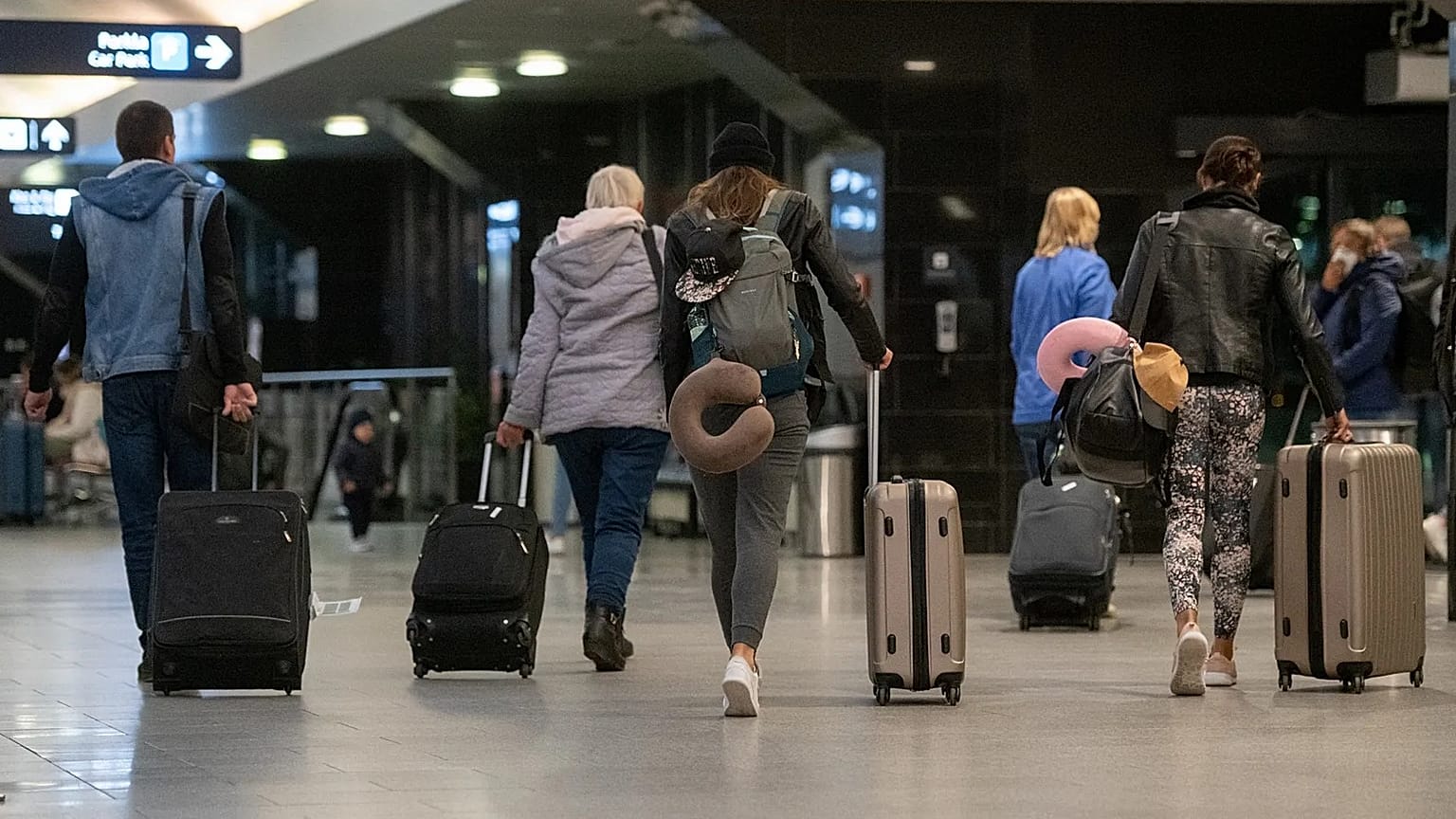
Estonia said on Tuesday it had banned 261 Russians who fought in Ukraine from entering the country, promising it was "just the start."
 ADVERTISEMENT
ADVERTISEMENT
ADVERTISEMENT
The interior ministry said in a statement those who had committed atrocities in Ukraine had "no place in the free world."
Estonia, which shares a border with Russia, has advocated for a Europe-wide visa ban on Russian veterans of the Ukraine war for months and has gained support from Baltic and Nordic countries.
The ministry estimates as many as 1.5 million Russians have taken part in the full-scale invasion, about half of them having served on the front line.
Interior Minister Igor Taro said the threat posed was "not theoretical," adding that the Russians had "combat experience and military training and may often have a criminal background."
The ban was formally implemented last week, according to the ministry, and announced on social media by officials on Monday.
"This is only the beginning," Foreign Minister Markus Tsahkna wrote on X on Monday, adding, "We call on other countries to do the same."
"Ensuring accountability for war crimes while safeguarding Europe's security is essential to a just and lasting peace," Prime Minister Kristen Michal wrote on X.
The move was praised on Monday by Ukrainian Foreign Minister Andrij Sybiga, who called entry bans a "necessary security measure" and "a clear signal that impunity will not be tolerated" on X.
The entry ban for Russian service personnel comes on the same day that a United Nations monitor said that last year was the deadliest for civilians in Ukraine since 2002, the year Russian invaded the country.
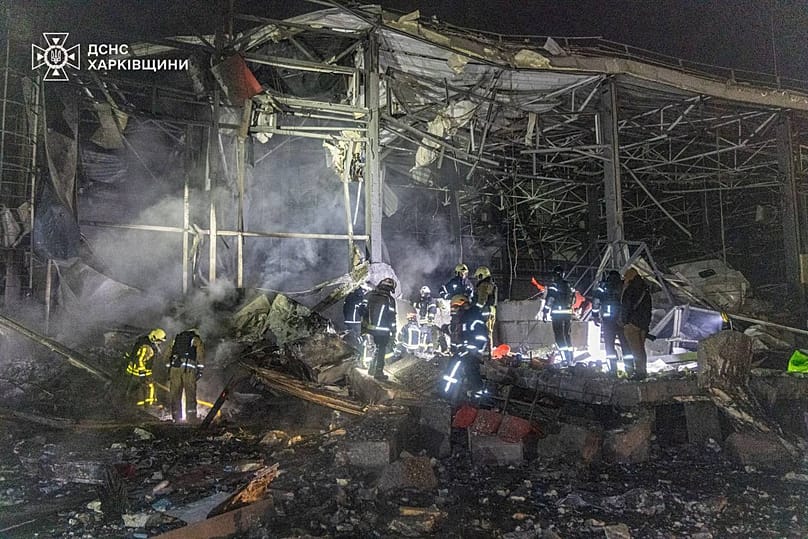
At least 2,514 civilians were killed and 12,142 injured by war-related violence in Ukraine last year, representing a 31% increase in victims compared to 2024 and 70% compared to 2023, said the UN Human Rights Monitoring Mission in Ukraine (HRMMU).
According to the mission, 97% of the casualties it verified in 2025 occurred in Ukrainian government-controlled territory from attacks launched by Russian armed forces.
"Our monitoring shows that this rise was driven not only by intensified hostilities along the frontline, but also by the expanded use of long-range weapons, which exposed civilians across the country to heightened risk," said Danielle Bell, head of the HRMMU.