


















Contrary to the headlines in many media outlets calling Iran's protests merely "food riots," what is going on in the country is actually a deeper, more structured and complex movement.
With2026 barely under way, the streets of Tehran, Mashhad, Isfahan and dozens of other cities in Iran are witnessing a wave of protests that ignited on 28 December in the Tehran Bazaar, sparked by a historic collapse of the rial.
 ADVERTISEMENT
ADVERTISEMENT
ADVERTISEMENT
While reports focused on the removal of currency subsidies and the skyrocketing cost of essentials, the frontlines were not occupied solely by the underprivileged.
There is a widespread, defiant presence of a “middle class pushed below the poverty line” and a “Generation Z deprived of any future.”
According to many analysts, this is not a classic 20th-century revolution for bread. It is a “Rebellion of the De-classed.”
These are individuals whose education, skills and cognitive standards belong to the global middle class, but whose economic realities have forced them into a visceral struggle for daily survival.
They have not taken to the streets just for cheaper bread. They are reclaiming their right to a future.
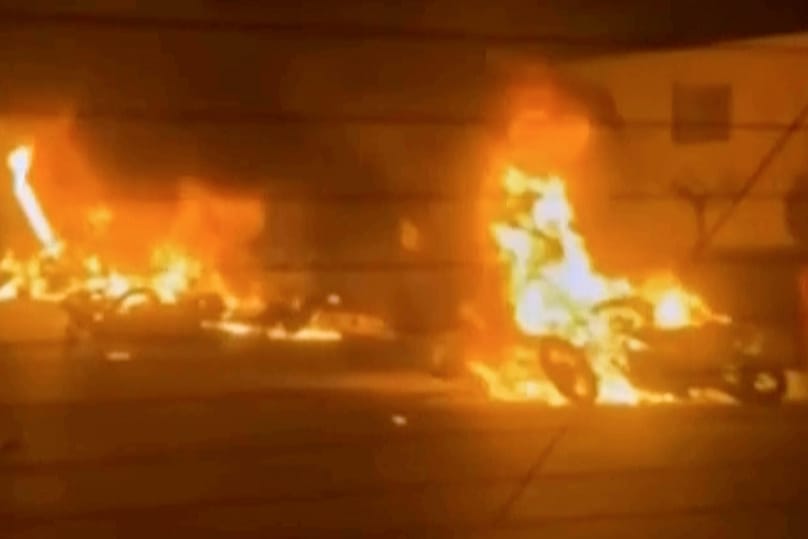
The great downgrade: Status rage
Iran is experiencing a phenomenon sociologists call “The Great Downgrade.”
According to official statistics, under the pressure of a 94% decline in public purchasing power and a 3,319% surge in the free-market US dollar exchange rate over the past eight years, full-time professionals such as software engineers, doctors and artists cannot afford a modest apartment or a new laptop.
In this context, individuals have not lost their cultural identity. They have lost their social standing, consumed by chronic inflation.
Imprisoned in a 'futureless present'
In a functional economy, time is an ally: you work, save, and move toward goals like buying a home or advancing education.
In Iran, time is the enemy.
When inflation outpaces savings, the faster you run, the further you drift from your aspirations. This generation is trapped in a “temporal straitjacket,” in which all energy is devoted to immediate survival, leaving no psychological space to imagine a brighter tomorrow.
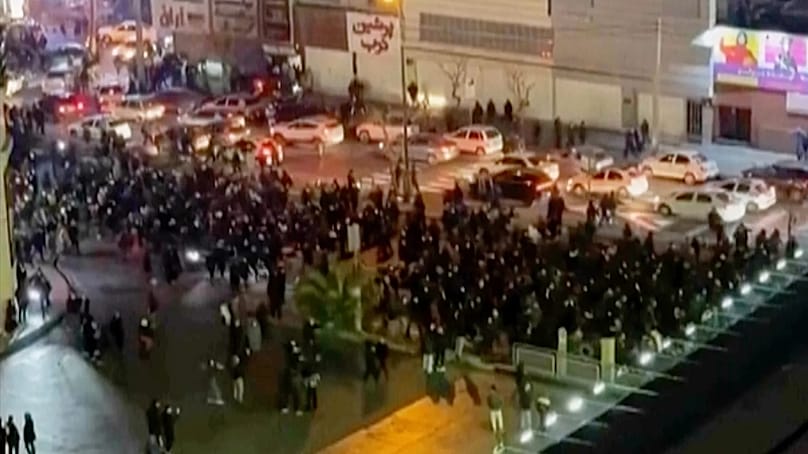
To be de-classed is to be forced into a reverse time machine. Iran’s middle class feels pushed backwards into past decades.
Purchases that were routine ten years ago, such as an economical car, an international trip, or the replacement of digital devices, have become unattainable luxuries.
This sense of regression, while the world advances, generates a profound “status rage.”
When 'normalcy' becomes luxury
The cost of a “normal life,” including high-speed internet, global media access, personal choice in dress, and job security, has risen so sharply that it is effectively a luxury.
Protesters recognise they are paying the price for a 21st-century standard of living while experiencing a quality of life from a bygone era.

Falling below the 'floor of survival'
While the middle class mourns the loss of quality of life, marginalised groups are fighting for biological survival.
With skyrocketing prices for essential goods such as housing and protein, many are being excluded from the social cycle. Phenomena like sleeping on rented rooftops reflect the collapse of the survival floor.
A government that rose to power in 1979 on promises to support the underprivileged (mostazafin) is now seen in 2026 as the most blatant form of crony capitalism.
A small group of individuals closely tied to the government flaunt luxury cars and opulent lifestyles on social media, while preaching asceticism to the public.
This stark display has transformed poverty into a political injustice.

The alliance of 'empty stomachs, full minds'
In classic revolutions, the middle class often sides with the state out of fear of chaos.
In today’s Iran, however, the middle class sees itself as a fellow victim of the same system.
When a worker who hasn’t been paid for six months stands alongside a student who knows no job awaits them after graduation, a “mutual dialogue of suffering” emerges, fuelling a unified national movement.
Classical revolutions asked: “Who will govern?” Today’s protests ask: “How can we live?”
The demands for a normal life, free internet and a stable currency are not negotiations for political power; they are claims for the space to breathe.
Compromise is extremely difficult because the political system has shown it is willing to sacrifice citizens’ “normalcy” indefinitely to preserve its ideological dogmas.
State subsidies and charitable handouts can no longer soothe the humiliation of a people who recognise that their poverty stems from political mismanagement, not a lack of resources.
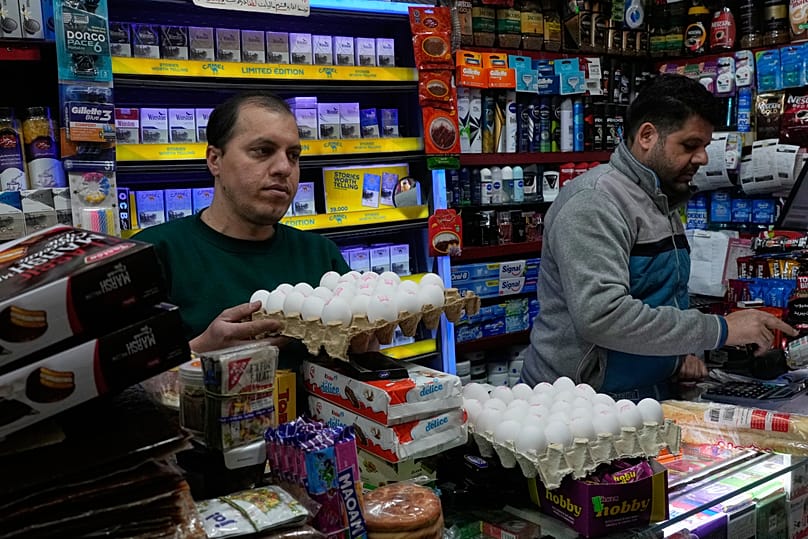
What the world is witnessing is not a cyclical disturbance but the emergence of a new political model.
This movement is led by a globally connected generation and a devastated middle class who have reached the same conclusion: the cost of silence now exceeds the cost of protest.
The goal is not to replace one ideology with another but to substitute an all-encompassing state ideology with the radical possibility of a “normal life” and a visible future.