




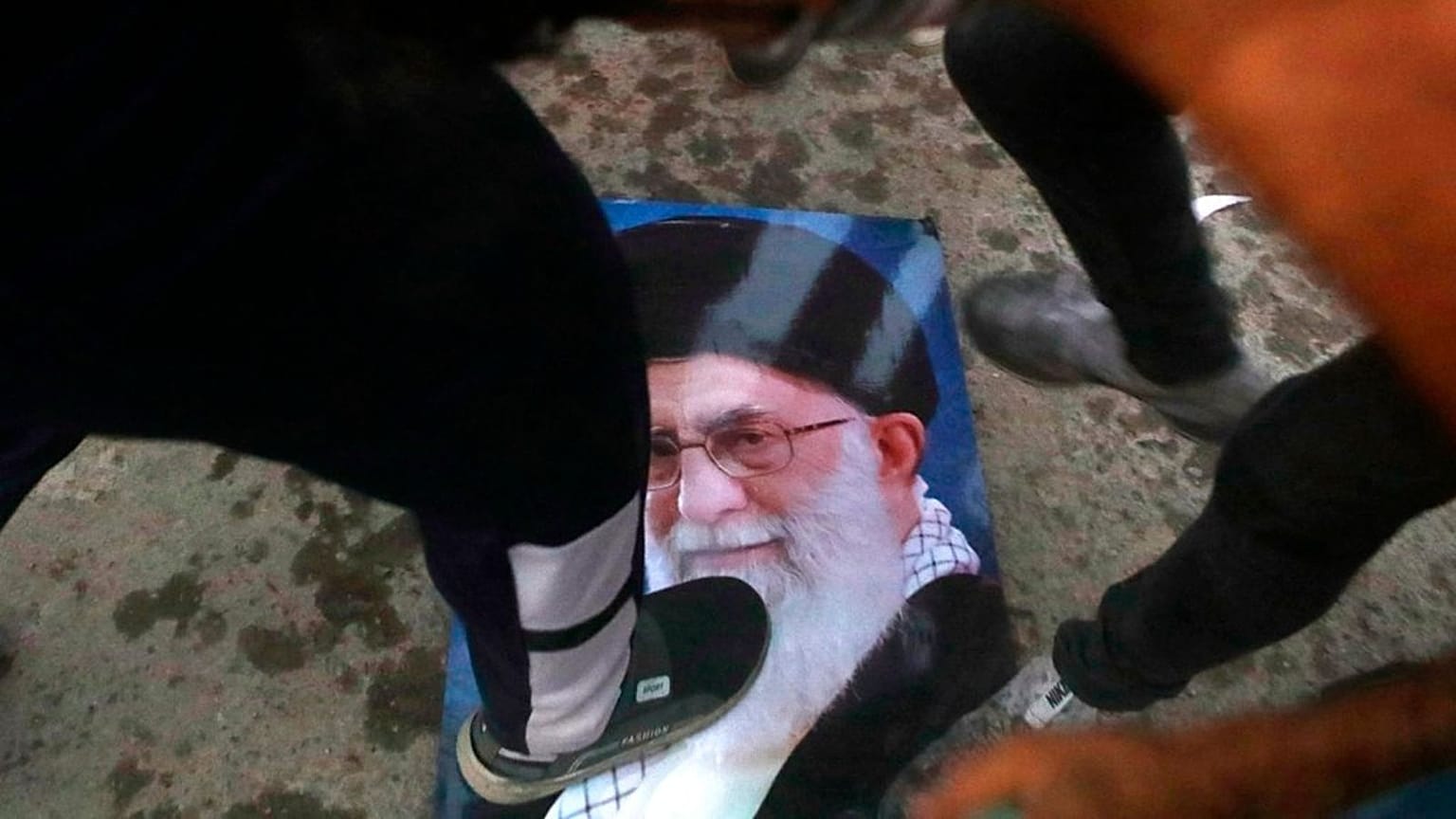













The methods used by Iran's women to push back against the country's authoritarian system have gone beyond cutting their hair and burning headscarves and in a more radical direction.
In November 2025, Omid Sarlak, a young man living in western Iran, posted a video on social media showing himself setting fire to a photograph of Iran's Ayatollah Ali Khamenei. Just hours after the video was published, his body was found inside his car with a gunshot to the head.
 ADVERTISEMENT
ADVERTISEMENT
ADVERTISEMENT
The same month, Samad Pourshah, a former political prisoner, carried out a similar act in protest against Sarlak’s killing, again burning a photograph of the supreme leader.
Hours later, security forces raided his home in the city of Yasuj. But he was not at home at the time and so avoided arrest and has been living in hiding ever since.
In September 2021, Qasem Bahrami, a critical Iranian poet, was arrested in Mashhad after also burning a photograph of Ali Khamenei. He was arrested and taken to an unknown location and for two months no information was available about his fate.
However, it seems that the Iranian regime's violent response to such acts of protest has not weakened the resolve of Iran’s women. On the contrary, it has pushed their struggle for freedom in a more radical direction.
In recent days, alongside a new wave of nationwide protests, driven by public anger over economic hardship and worsening living conditions, videos have circulated widely on social media showing young women not only burning the ayatollah's portrait, but also using the flames to light their cigarettes.
In this act of protest, women have combined the burning of the Ali Khamenei's image with cigarette smoking, an activity that has long been restricted or stigmatised for women in Iranian society. Through this gesture, protesters appear to be rejecting both the political–religious authority of the regime and the strict social rules imposed on women.
Clips of this protest initiative have already been reposted thousands of times on social media around the world, making it increasingly difficult for Iranian authorities to contain it.
So, Iranian women, who had already captured global attention during the protests following the death of Mahsa Amini in 2022, through symbolic acts such as cutting their hair and burning their headscarves, have now gone a step further.
If, at the time, their actions were interpreted as a "symbolic rejection of the system's sexist and authoritarian policies," they now also take part in protests with bloody lips and perform gymnastics in the street in front of security forces.
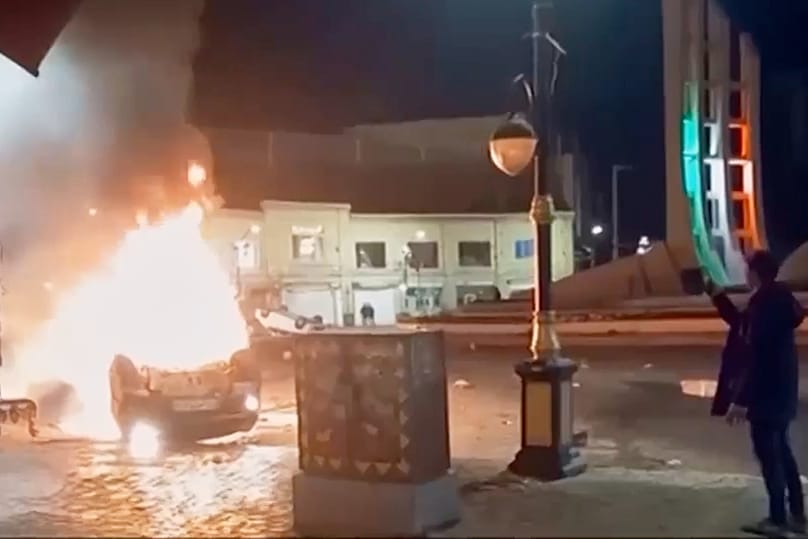
From turban knocking to public nudity
Mahsa Amini died in detention at the age of 22 in 2022. She had been arrested for allegedly not wearing her hijab in accordance with government guidelines and her supporters believe she was beaten to death.
That incident sparked mass nationwide protests and after four months of brutal repression, during which more than 500 people were killed and over 19,400 arrested, the government managed to force the "“Woman, Life, Freedom" movement off Iran's streets. But it failed to bring an end to women’s struggle for their most basic rights.
Mass street demonstrations were violently suppressed, but resistance increasingly shifted toward symbolic and highly visible acts.
Over the past three years, Iranian society has witnessed an almost daily emergence of new forms of protest by women: appearing without hijab in universities and public spaces, knocking turbans off clerics' heads in streets, attending sport events such as marathons without a headscarf and even acts of public nudity, most notably Ahou Daryaei at Azad University in Tehran and another woman who stood naked on top of a police vehicle.
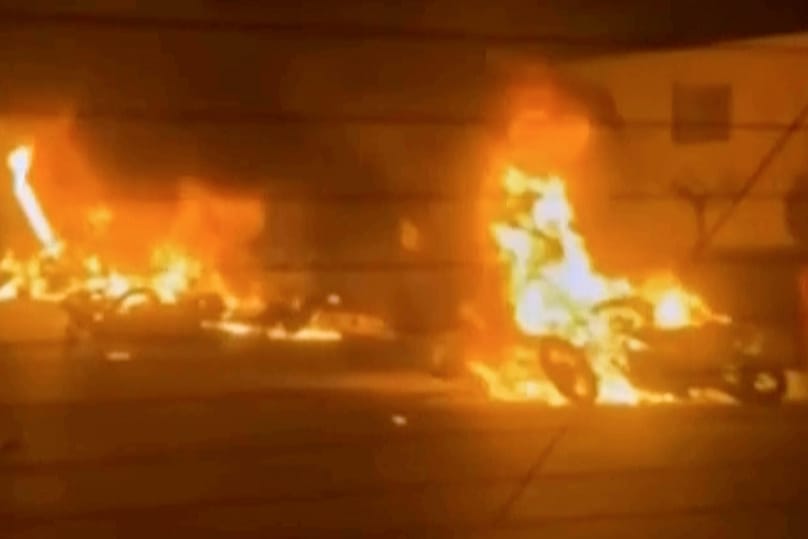
Schoolgirls' protests and the cost of poisoning
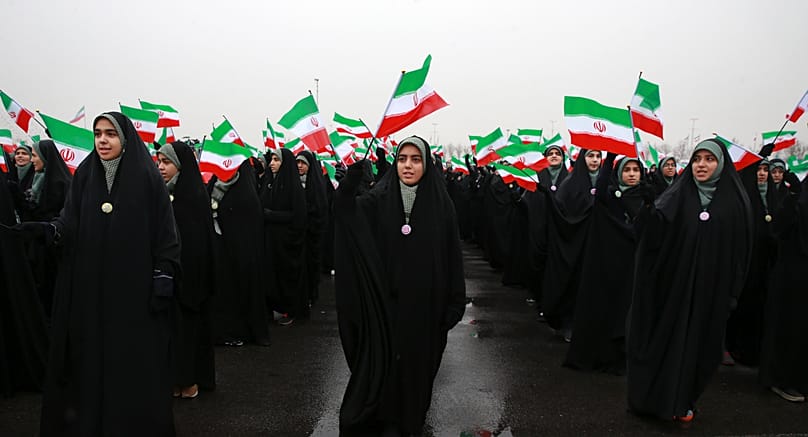
The other important feature of Iranian women's protest is that it is not restricted to any age.
Previously, "Woman, Life, Freedom" protests even reached Iranian schools, where mainly female students sitting in schoolyards and chanted slogans against the regime. This was unprecedented in the almost five decades since the 1979 Islamic Revolution which established Iran's theocracy.
The government responded by arresting schoolchildren. Yet its anger did not appear to subside. In the months following the protests, reports emerged from across Iran of serial poisonings in girls' schools.
Students suddenly fell ill, lost consciousness and were rushed to hospitals with respiratory problems, heart palpitations and numbness.
Investigative reports indicated that more than 800 students were poisoned in schools in at least 15 Iranian cities in 2023.
The incidents continued for months. Iran's Ministry of Health eventually confirmed that a "very mild poison" had caused the symptoms.
At the time, even the deputy health minister, stated that "some individuals wanted all schools, especially girls' schools, to be shut down." One day later, he retracted his remarks.
The Iranian government denied any responsibility for the national incident and the perpetrators of the poisonings were never found.