





























The supervising prosecutor, Angel Kanev, said that the key issue is whether sufficient guarantees have been provided that a death sentence will not be imposed.
A Bulgarian court rejected Lebanon's request on Wednesday to extradite the owner of a ship linked to a cargo of ammonium nitrate at the centre of the massive 2020 port explosion in Beirut.
 ADVERTISEMENT
ADVERTISEMENT
ADVERTISEMENT
Igor Grechushkin, 48, who holds Russian and Cypriot citizenship, was arrested in Sofia in September on an Interpol red notice.
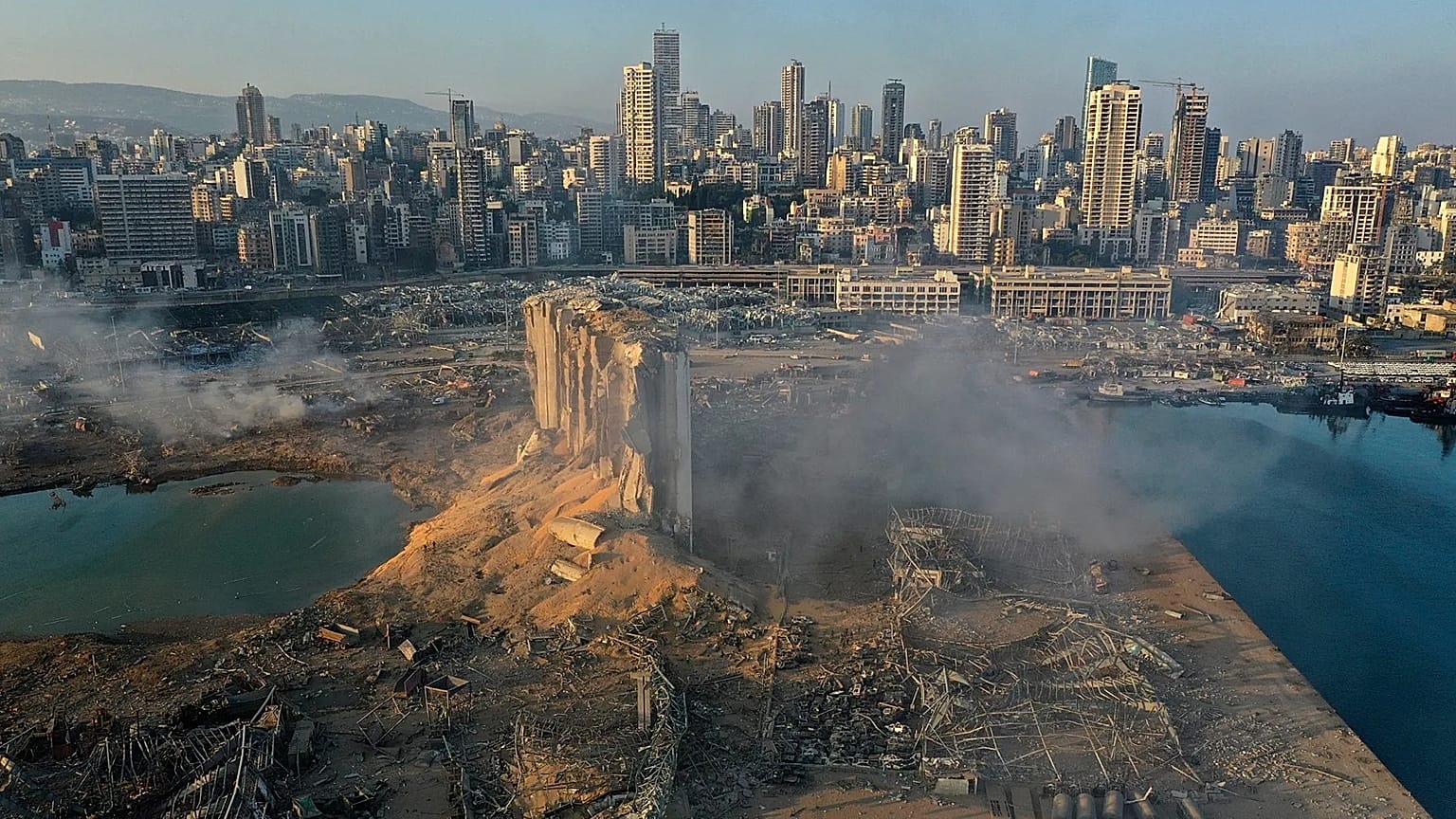
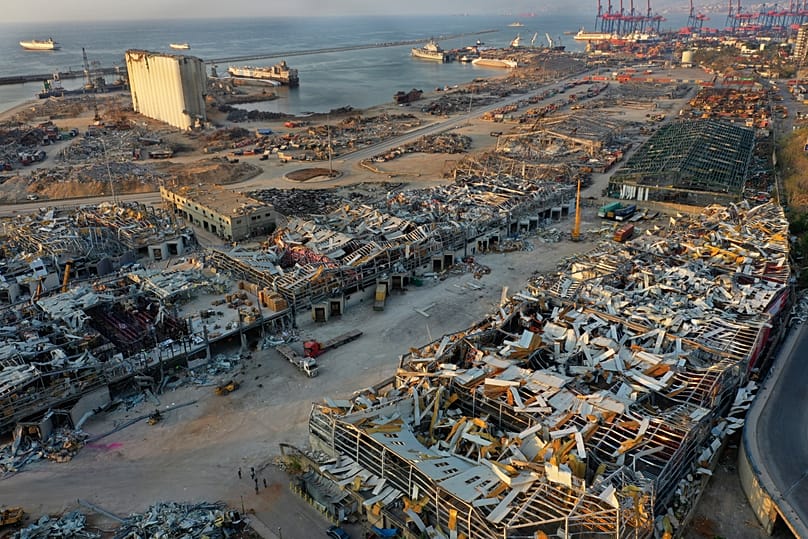
Lebanon has asked Bulgaria to extradite him in connection with blast on 4 August 2020, which killed at least 218 people and injured more than 6,000, and devastated large swathes of the area around Beirut’s port, causing billions of dollars in damage.
"The court rejected Lebanon’s request to extradite Igor Grechushkin, ruling that the Lebanese authorities had not provided adequate assurances that he would be protected from the death penalty or that any such sentence would not be carried out," his lawyer, Ekaterina Dimitrova, said.
The supervising prosecutor, Angel Kanev, said that the key issue is whether sufficient guarantees have been provided that a death sentence will not be imposed and whether those guarantees come from "the competent authority."

"When such assurances are issued by the Lebanese Minister of Justice, supplemented by additional confirmations from the Supreme Court and the Prosecutor General, I believe the conditions for extradition are met," he said.
He said that the Sofia City Court ruled that Grechushkin will remain in custody.
The prosecution will appeal the refusal to extradite him to the Court of Appeal, Kanev told reporters.
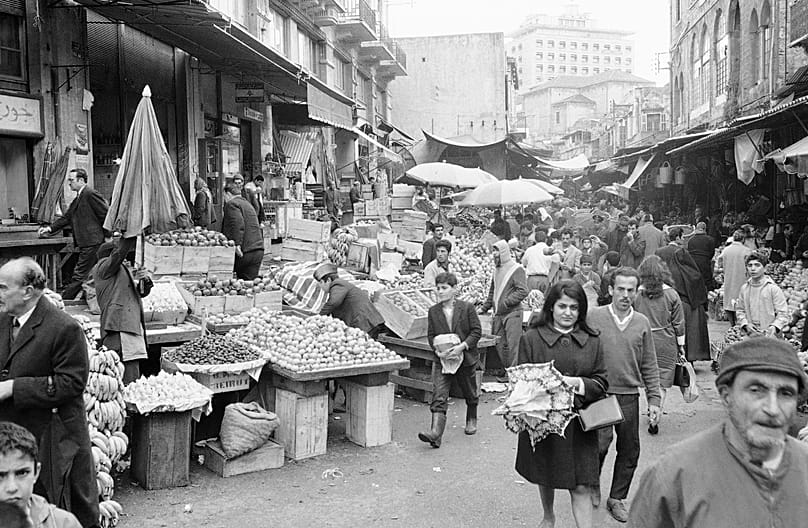
Paris of the Middle East
The whole of Lebanon's capital, once dubbed the Paris of the Middle East, was affected by the 2020 explosions that struck with the strength of a 3.5-magnitude earthquake and were felt as far as Cyprus.
Lebanon's government said that the explosion was caused by the detonation of ammonium nitrate that had been stored at the city's port after being seized from a cargo ship in 2014.
Experts believe this happened after a fire engulfed fireworks, which were also stored in the area.
The disaster raised questions over why such material was kept for so long, in such an unsafe manner, so close to heavily populated areas. The substance has been the cause of numerous industrial explosions in the past.
What is ammonium nitrate?
Ammonium nitrate is an odourless crystalline substance commonly used as a fertiliser. In the agricultural sector, farmers buy it in bulk as its application allows nitrogen — which is key to plant growth — to be released into the soil.
It is not easily combustible: typically the compound does not detonate on its own but it can explode if it comes into contact with another ignition source, or if it comes under intense heat. Known as an oxidiser, it intensifies combustion and can enable other material to ignite more readily.
There are often strict rules as to where and how ammonium nitrate can be stored: for instance, away from fuel and other sources of heat, and away from residential areas.
Many countries in the European Union require calcium carbonate to be added to ammonium nitrate to create calcium ammonium nitrate, which is safer.