
































The Europe-built multilayered confinement building completed in 2019 was designed to contain the radiation coming from the melted-down nuclear fuel.
The protective shield that covers the Chernobyl nuclear power plant in Ukraine has "lost safety function" following a drone strike in February, the UN nuclear watchdog has said.
 ADVERTISEMENT
ADVERTISEMENT
ADVERTISEMENT
The shield, which was completed by a Europe-led initiative in 2019 at a cost of €1.5 billion and covers the original concrete sarcophagus, was punctured in February in a Russian Shahed drone strike, Ukrainian prosecutors said.
The International Atomic Energy Agency (IAEA) said during an inspection last week that the drone impact had degraded the steel structure.
IAEA Director General Rafael Grossi said that an inspection "confirmed that the (protective structure) had lost its primary safety functions, including the confinement capability, but also found that there was no permanent damage to its load-bearing structures or monitoring systems."
Grossi added that while some repairs had taken place, "comprehensive restoration remains essential to prevent further degradation and ensure long-term nuclear safety."
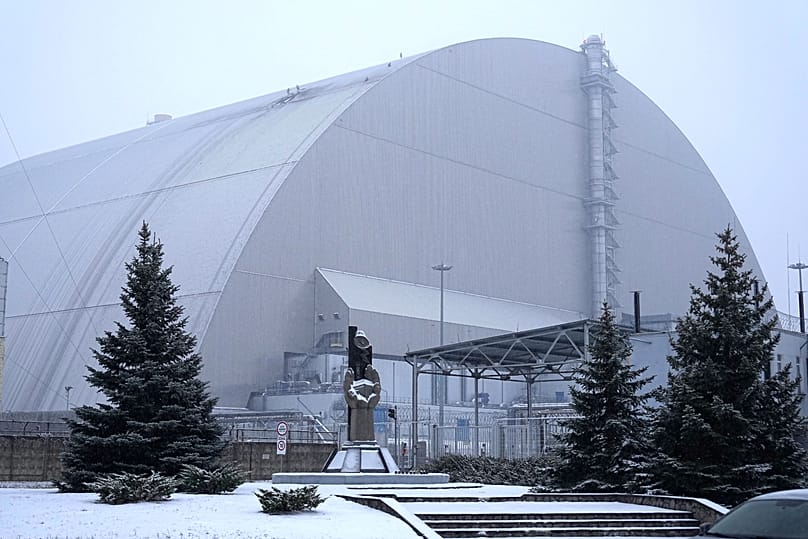
According to the authorities in Kyiv, a drone carrying a high-explosive warhead had hit the shield, starting a fire and damaging some of the protective cladding around the reactor. Moscow denied it had attacked the plant.
Radiation levels were reportedly normal and there were no reports of any radiation leaks, the UN said in February.
The 1986 explosion at the Chernobyl nuclear power plant sent radiation across Europe.
In a bid to contain the impact of the meltdown, the Soviets built a concrete sarcophagus over the reactor which had a 30-year lifespan.
The new, multilayered confinement building, which stands at over 100 metres at its peak, was built to contain the melted-down nuclear fuel which remains under the sarcophagus.
Sounding the alarm
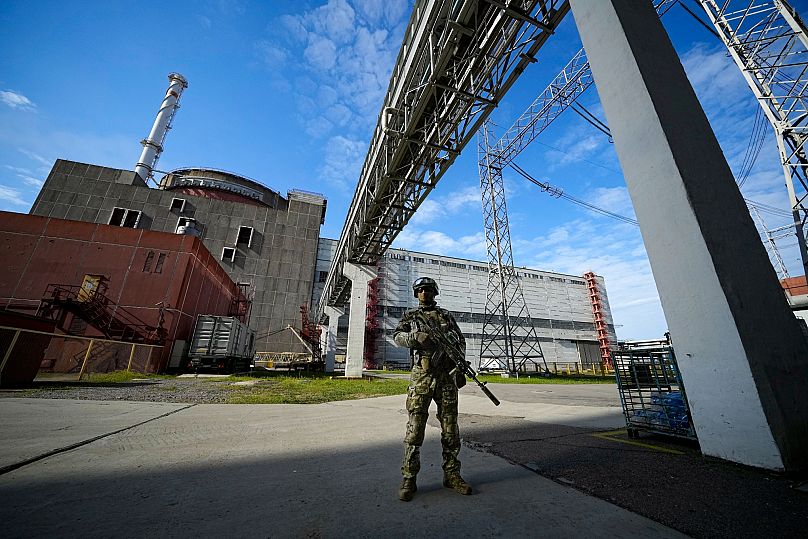
Fears have been raised about continued fighting around Ukraine’s nuclear power plants, particularly the Zaporizhzhia nuclear power plant in the south, Europe’s largest such facility.
The Zaporizhzhia plant has been operating on diesel backup generators since 23 September when its last remaining external power line was severed.
Ukraine's President Volodymyr Zelenskyy sounded the alarm about safety risks at Zaporizhzhia in October, saying that the backup generators had never needed to run for so long.
"The generators and the plant were not designed for this," Zelenskyy said, describing the situation as "critical."
The plant is in an area occupied by Russia since early in Moscow's full-scale invasion of Ukraine in February 2022 and is not operational. It still needs reliable power to cool its six shutdown reactors and spent fuel, to avoid any catastrophic nuclear incidents.
Grossi said that emergency diesel generators were designed to be the "last line of defence" to help nuclear power plants cool their reactors, but that their use was now "an all too common occurrence."
"As long as this devastating conflict goes on, nuclear safety and security remains under severe threat. Today, we had some rare positive news to report, but we are far from being out of the woods yet," Grossi said.