




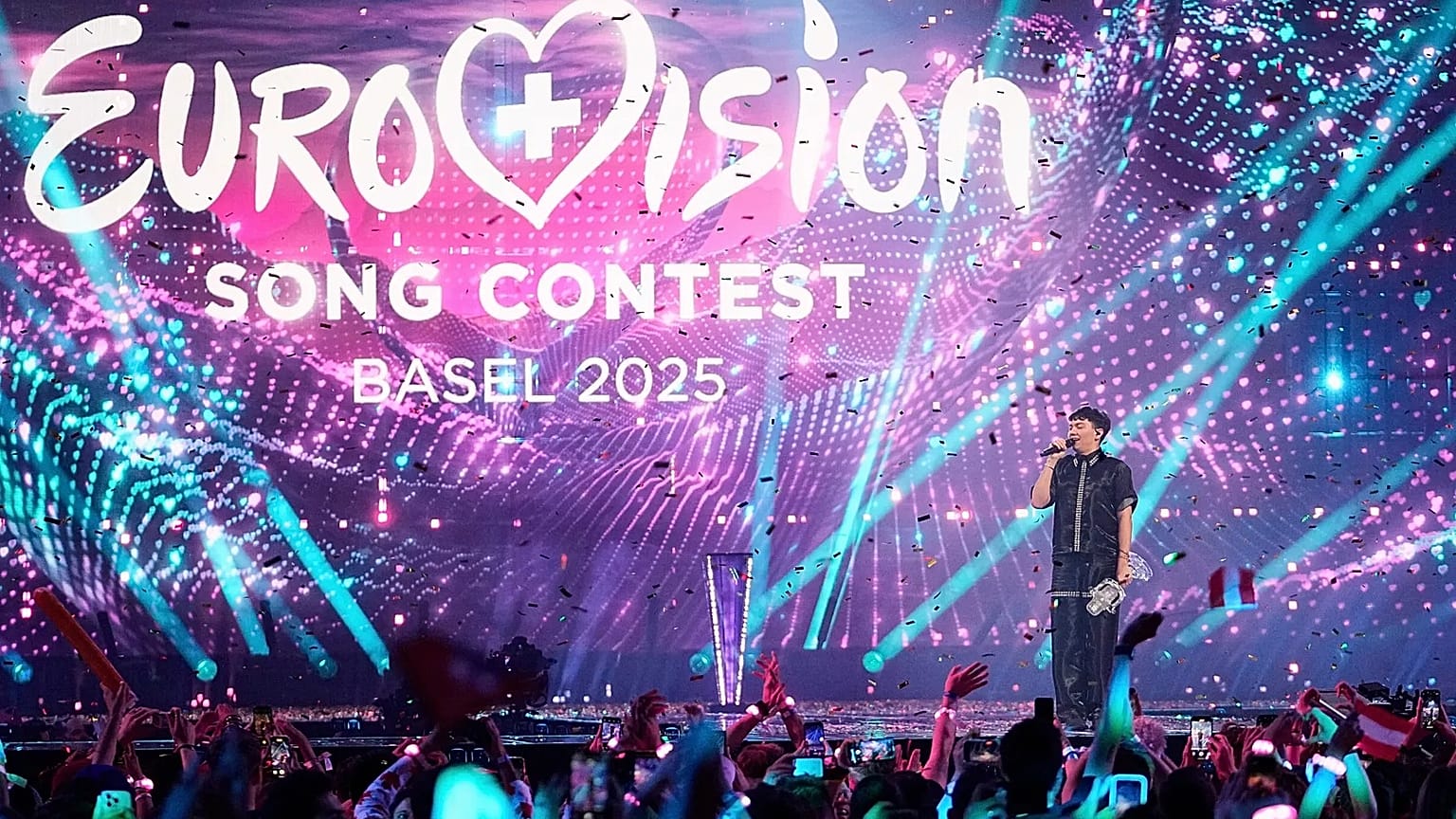














The contest, whose 70th edition is scheduled for Vienna in May, pits acts from dozens of nations against one another for the continent's musical crown.
Spain and the Netherlands announced on Thursday they are pulling out of next year’s Eurovision Song Contest after organisers decided to allow Israel to compete.
 ADVERTISEMENT
ADVERTISEMENT
ADVERTISEMENT
The announcements came after the European Broadcasting Union (EBU), the body that runs Eurovision, met to discuss concerns about Israel’s participation, which is opposed by some countries due to its conduct of the Israel-Hamas war in Gaza.
Dutch broadcaster AVROTROS said that the participation of Israel "is no longer compatible with the responsibility we bear as a public broadcaster."
"Culture connects, but not at any cost. What happened last year touches our boundaries. Universal values like humanity and a free press have been seriously violated and are non-negotiable for us...the independence and unifying nature of the Eurovision Song Contest can no longer be taken for granted," said AVROTROS Director General Taco Zimmerman.
Spain's state broadcaster RTVE said that the country is pulling out after the EBU voted to let Israel participate in 2026.
"We would like to express our serious doubts about the participation of Israeli broadcaster KAN in Eurovision 2026," said RTVE’s Secretary General Alfonso Morales during the EBU's general assembly.
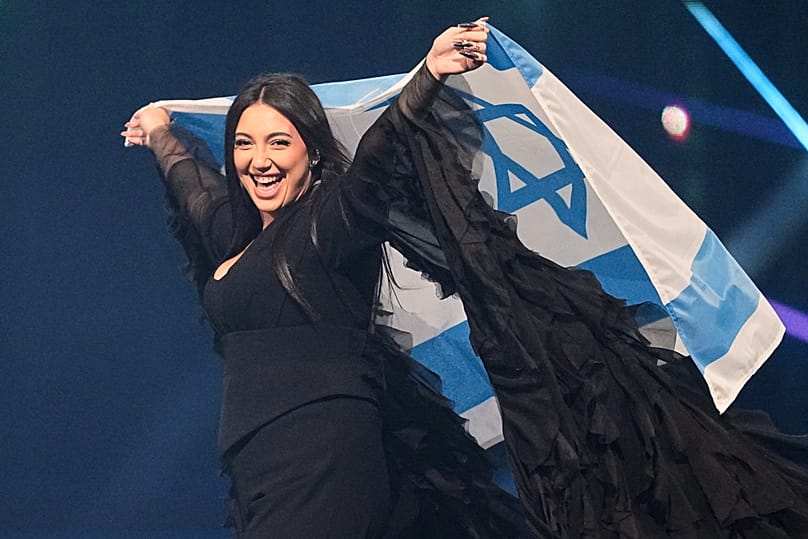
The pullouts came after members of the EBU voted to adopt more rigid voting rules in response to allegations that Israel had manipulated the vote in favour of their contestant.
The feel-good pop music gala that draws more than 100 million viewers every year has been roiled by the Israel-Hamas war for the past two years.
The EBU, a group of public broadcasters from 56 countries that runs Eurovision, held its twice-yearly general assembly where some countries called for Israel to be excluded over alleged interference in voting and its conduct in the war against Hamas in Gaza.
The EBU said the new rules would strengthen “transparency and trust” and allow all countries, including Israel, to participate.
But Spain and the Netherlands walked out, followed by Ireland and Slovenia.
"Eurovision is becoming a bit of a fractured event," said Paul Jordan, an expert on the contest known as Dr Eurovision.
"The slogan is 'United by Music'...unfortunately it's disunited through politics...It's become quite a messy and toxic situation," he said.
United by music, divided over politics
The contest, whose 70th edition is scheduled for Vienna in May, pits acts from dozens of nations against one another for the continent's musical crown.
It strives to put pop before politics, but has repeatedly been embroiled in world events. Russia was expelled in 2022 after its full-scale invasion of Ukraine.
The Israel-Hamas war has been its biggest challenge, with pro-Palestinian protesters demonstrating against Israel outside the last two Eurovision contests in Switzerland in May and last year in Sweden.
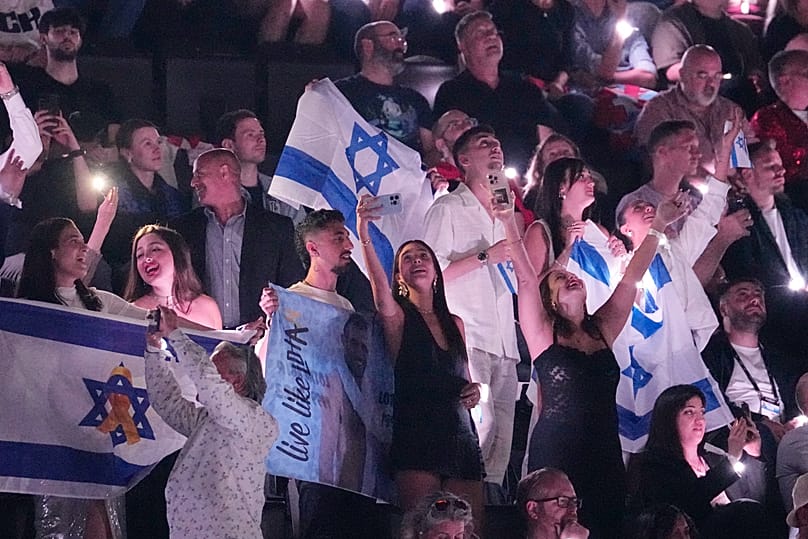
The war in Gaza has also exposed rifts in the European broadcasting world. Austria, which is set to host the competition after singer JJ won this year with "Wasted Love," supports Israel's participation. Germany, too, is said to back Israel.
Iceland, Ireland, the Netherlands, Slovenia and Spain are among the countries that have threatened to sit out the 2026 event if Israel is allowed to take part.
Possible scenarios
Eurovision expert Dean Vuletic said that a boycott by any EU member country is significant, because they are "not dictatorships" and are meant, like Israel, to share values of democracy, human rights and diversity.
"It would be the biggest boycott of Eurovision ever. There have been boycotts in the past, but they have been usually bilateral," said Vuletic, author of "Postwar Europe and the Eurovision Song Contest."
The fallout of a boycott could have implications for viewership and money at a time when many broadcasters are under financial pressure from government funding cuts and the advent of social media.
The countries walking away include some big names in the Eurovision world.
Spain is one of the "Big Five" large-market countries that contribute the most to the contest. Ireland has won seven times, a record it shares with Sweden.
"There are no winners here. Regardless of what happens — whether Israel is in or out, whether countries stay or go — it's not what Eurovision should be. It's meant to be joyous and about bringing people together despite our politics," Jordan said.
"Unfortunately it's become, I think, a bit of a political football."