

















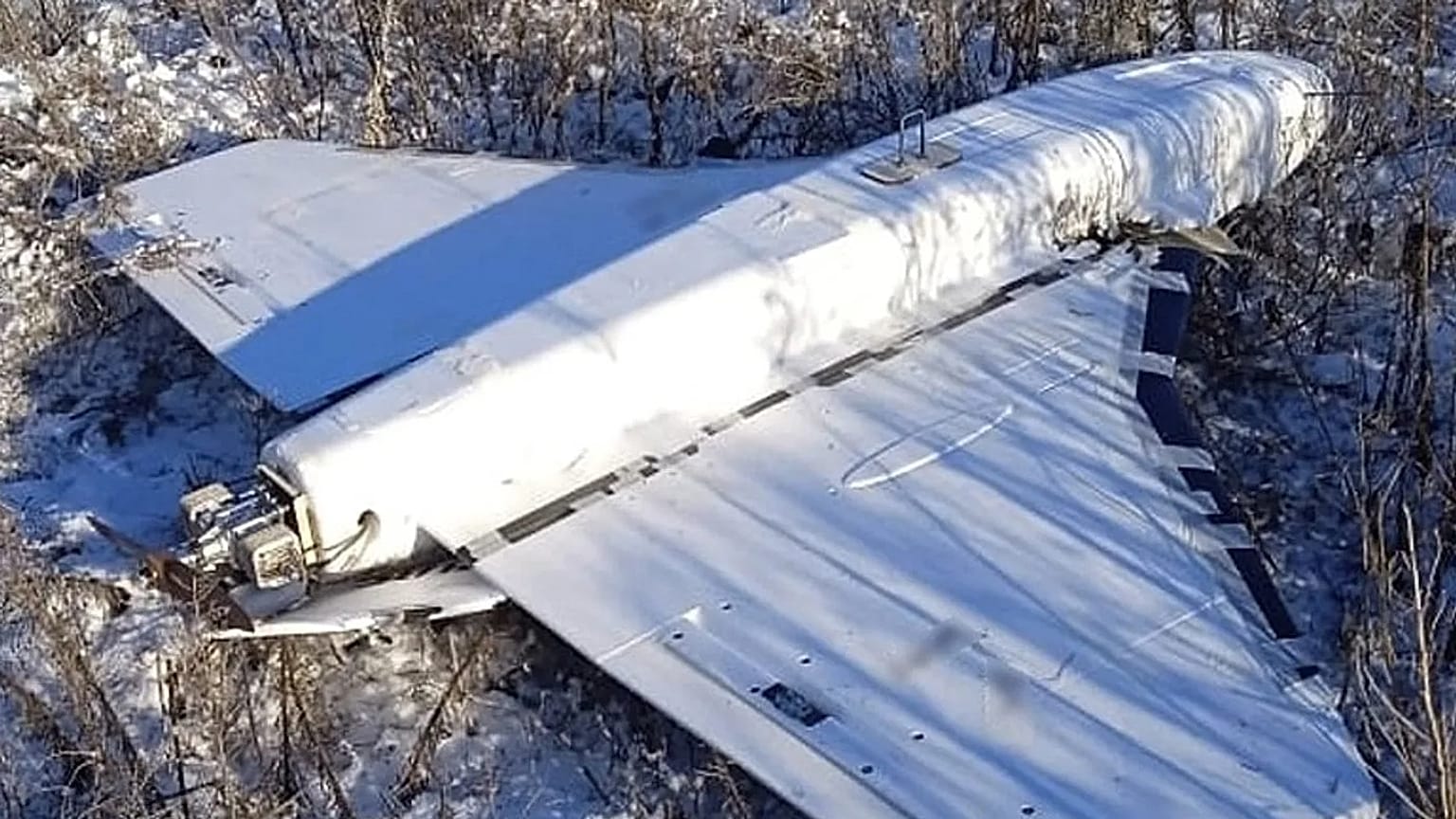













Europe is on high alert after drone flyovers into NATO airspace reached an unprecedented scale in September, prompting leaders to agree to develop a "drone wall" to better intercept drones violating Europe's airspace.
Police in Moldova deployed bomb disposal experts on Wednesday to a community miles from the Ukrainian border after a resident of a small town mistook a grounded drone for "a toy" and took it home.
 ADVERTISEMENT
ADVERTISEMENT
ADVERTISEMENT
When police arrived in Pepeni in the Sîngerei district, around 100 kilometres north of the capital Chișinău, they discovered that the drone found four days earlier had already been stripped of its parts.
Pepeni's mayor had tipped off the police. Video footage posted by city hall on social media showed the drone atop a trailer hooked to a small tractor commonly used in rural settlements.
"A citizen thought it was a toy … and brought it into the locality of Pepeni," Mayor Oleg Cernei says in the video. "As soon as it appeared within the boundaries of the commune, I identified the person and informed the state institutions."
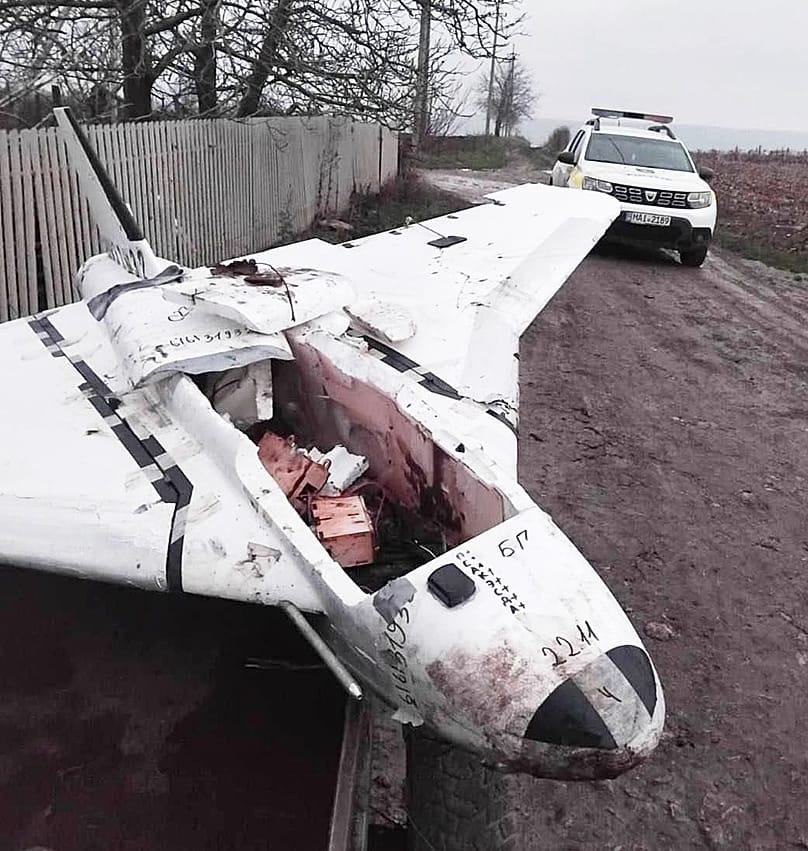
Police said the drone did not contain explosives or pose a danger, and urged the public to "not touch or attempt to transport fallen drones or similar objects."
Authorities did not say where the drone came from. They said it was a Gerbera-type drone typically used for improvised attacks or observation. Russia has previously used those in Ukraine.
The incident is the latest in a string of airspace breaches and drone discoveries on Moldovan territory since Russia's full-scale invasion of Ukraine in 2022.
Last week, Moldova's airspace was breached multiple times by unmanned aerial vehicles during Russian attacks on Ukraine.
And in February, two drones exploded over Moldova after an attack on a Ukrainian port across the border.
On high alert
Europe as a whole is on high alert after drone flyovers into NATO airspace reached an unprecedented scale in September, prompting European leaders to agree to develop a "drone wall" along their borders to better detect, track and intercept drones violating Europe's airspace.
In November, NATO military officials said a new US anti-drone system had been deployed to the alliance’s eastern flank.
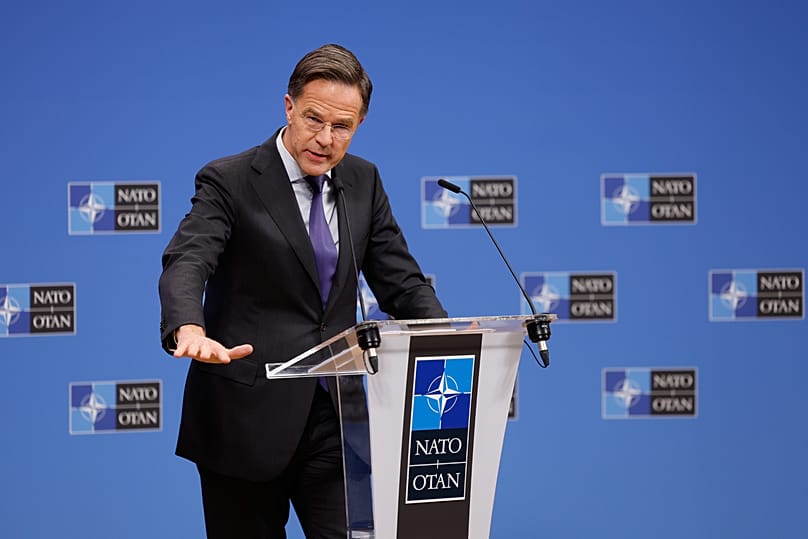
And following a violation of Polish airspace, NATO Secretary General Mark Rutte announced the formation of the Eastern Sentry programme, which aims to deter further Russian incursions.
Some European officials described the incidents as Moscow testing NATO's response, which raised questions about how prepared the alliance is against potential threats from Russia.
The Kremlin has dismissed allegations that Russia is behind some of the unidentified drone flights in Europe as "unfounded."