

















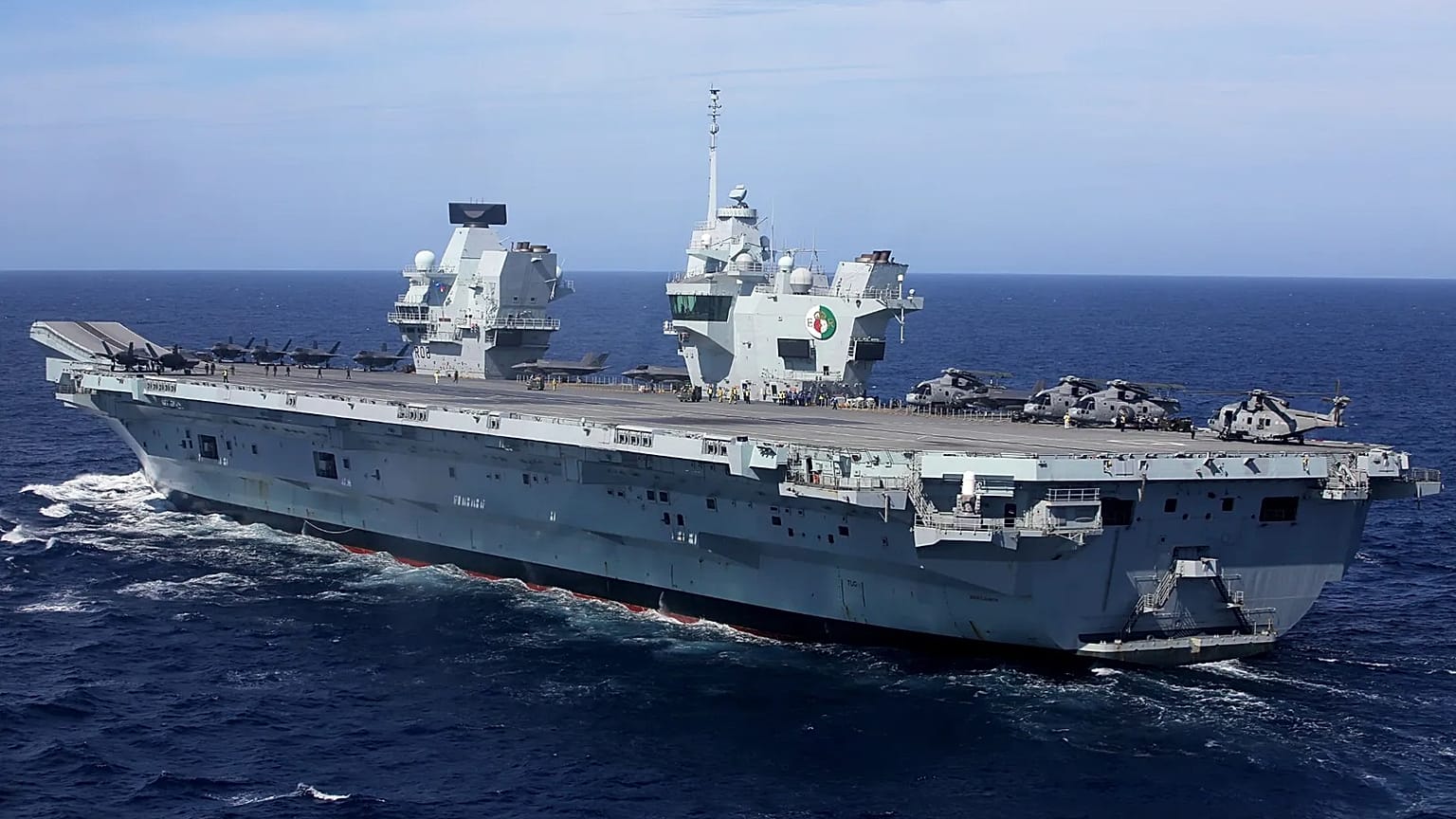













NATO's senior expert on cyber and hybrid threats said last year that persistent attacks on undersea cables across Europe is "the most active threat" to Western infrastructure.
Britain and Norway have announced new joint naval patrols aimed at protecting undersea cables from Russia, the UK said Thursday, as Prime Minister Keir Starmer and his Norwegian counterpart Jonas Gahr Støre held talks on defence.
 ADVERTISEMENT
ADVERTISEMENT
ADVERTISEMENT
The UK government said a combined fleet of at least 13 warships will "hunt Russian submarines and protect critical infrastructure in the North Atlantic."
Norway’s Defence Minister Tore O. Sandvik, who signed the deal with his British counterpart John Healey, said it would allow both countries to "defend themselves together."
It follows a £10 billion (€11 billion) deal struck in August for Norway to buy at least five British-made frigates.
Those Norwegian vessels and eight British ships will operate jointly in the seas along NATO's northern flank.
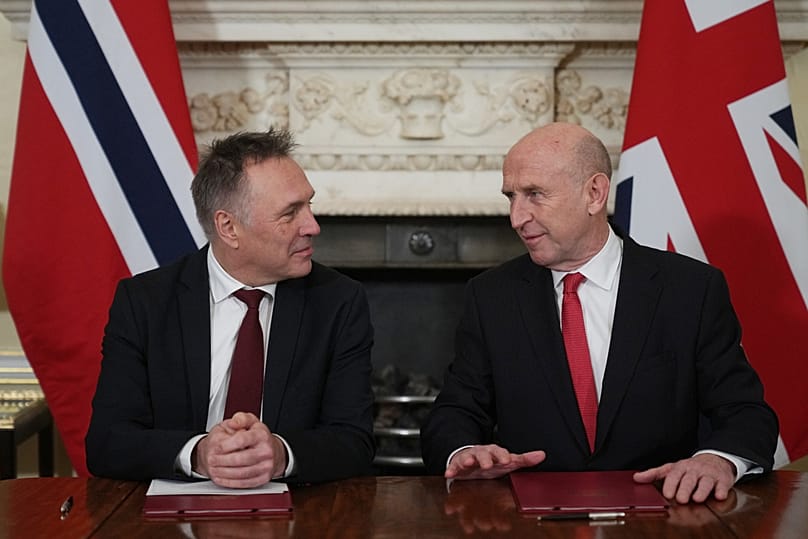
As part of the agreement, dubbed "historic" by Starmer and formally signed in London on Thursday by the two countries’ defence ministers, the UK has agreed to use Norwegian missiles for the Royal Navy's surface fleet.
"In this new era of threat and with increasing Russian activity in the North Atlantic, our strength comes from hard power and strong alliances," UK Defence Secretary John Healey said.
Starmer and Støre were scheduled to hold talks at the prime minister's residence at 10 Downing Street before visiting British and Norwegian personnel at RAF Lossiemouth in Scotland, where they will meet aircraft crews that have been tracking Russian vessels.
Britain says Russian naval activity around UK waters has increased by 30% in the past two years.
NATO's senior expert on cyber and hybrid threats said late last year that persistent attacks on undersea cables across Europe is "the most active threat" to Western infrastructure.
Acting Assistant Secretary General for Innovation Hybrid and Cyber, James Appathurai, said recent attacks on communications cables attributed by the alliance to Russia is part of a significant growth in cyber, hybrid and other interference in Europe.
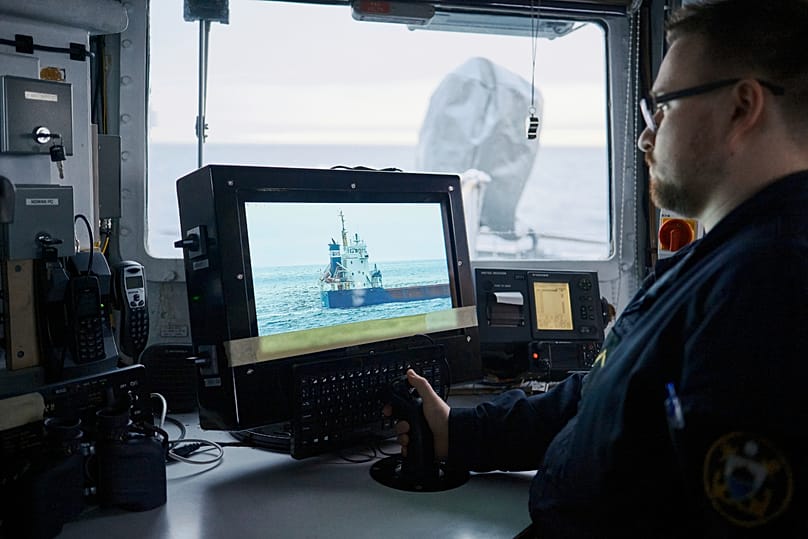
Early in November two cables were severed in the Baltic Sea between Sweden and Lithuania and another between Germany and Finland immediately alarming member states and NATO concerned about sabotage.
"The Russians are carrying out a programme they have had for decades. It's called the Russian Undersea Research Program, which is a euphemism for a paramilitary structure, very well-funded, that is mapping out all of our cables and our energy pipelines," Appathurai told Euronews.
"It has so-called research ships. They have little submarines underneath. They have unmanned, uncrewed, remotely operated vehicles they have divers and explosives."