




























South Korean president Yoon Suk Yeol said his martial law decree was an act of governance that cannot be the subject of investigations and doesn’t amount to rebellion.
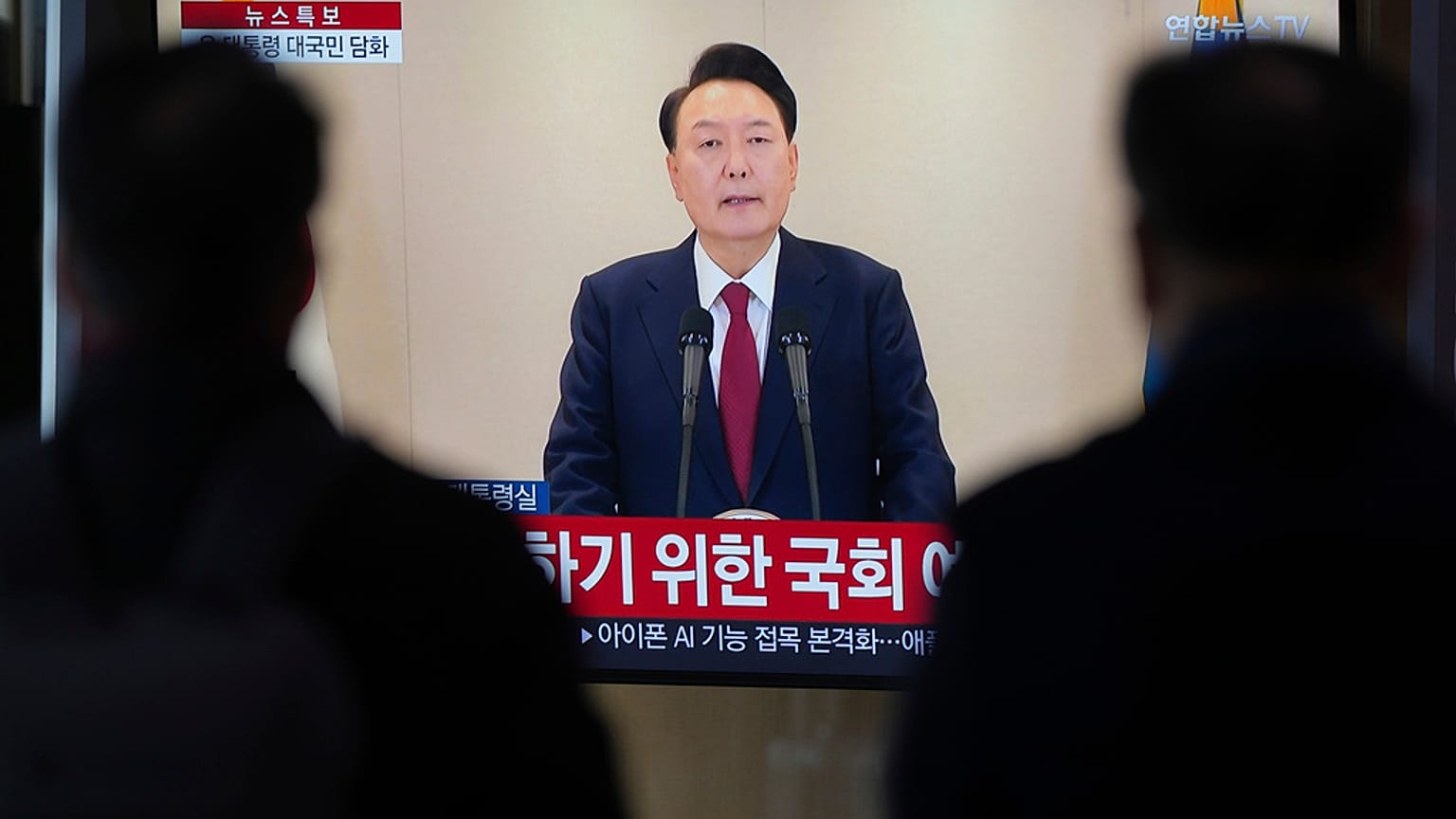
South Korea's president defended his martial law decree as an act of governance and denied rebellion charges Thursday, rejecting the opposition-led impeachment attempts against him and investigations into last week's move.
 ADVERTISEMENT
ADVERTISEMENT
ADVERTISEMENT
Yoon Suk Yeol's televised statement came hours before the main liberal opposition Democratic Party submits a new impeachment motion against Yoon. The opposition party plans to put the motion on a floor vote this Saturday.
Its earlier attempt to impeach Yoon fell through last Saturday, with ruling party lawmakers boycotting a vote at the National Assembly.
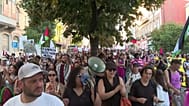
Yoon’s Dec. 3 martial law declaration, the first of its kind in more than 40 years in South Korea, has generated political chaos and large protests calling for his ouster. The decree brought hundreds of armed troops attempting to encircle parliament and raiding the election commission, though no major violence or injuries occurred, and he was forced to lift it about six hours later.
“I will fight to the end, to prevent the forces and criminal groups that have been responsible for paralyzing the country’s government and disrupting the nation’s constitutional order from threatening the future of the Republic of Korea,” Yoon said.
Yoon, a conservative, said his martial law introduction was meant to issue a warning to the main liberal opposition Democratic Party, which he said has been paralyzing state affairs and destroying the country's constitutional order. He said the deployment of less than 300 soldiers to the National Assembly was designed to maintain order, not dissolving or paralyzing it.
Yoon called the Democratic Party “a monster" and “anti-state forces,” which he said repeatedly tried to use its legislative muscle to impeach top officials, undermine government budget bills and sympathize with North Korea.
“The opposition is now doing a knife dance of chaos, claiming that the declaration of martial law constitutes to an act of rebellion. But was it really?" Yoon said.
Yoon said his martial law decree was an act of governance that cannot be the subject of investigations and doesn’t amount to rebellion.
Yoon's statement was seen as an about-face from his previous position. Last Saturday, Yoon apologized over the martial law decree, saying that he won’t avoid legal or political responsibility for it. He said he would leave it to his party to chart a course through the country’s political turmoil, “including matters related to my term in office.”