

















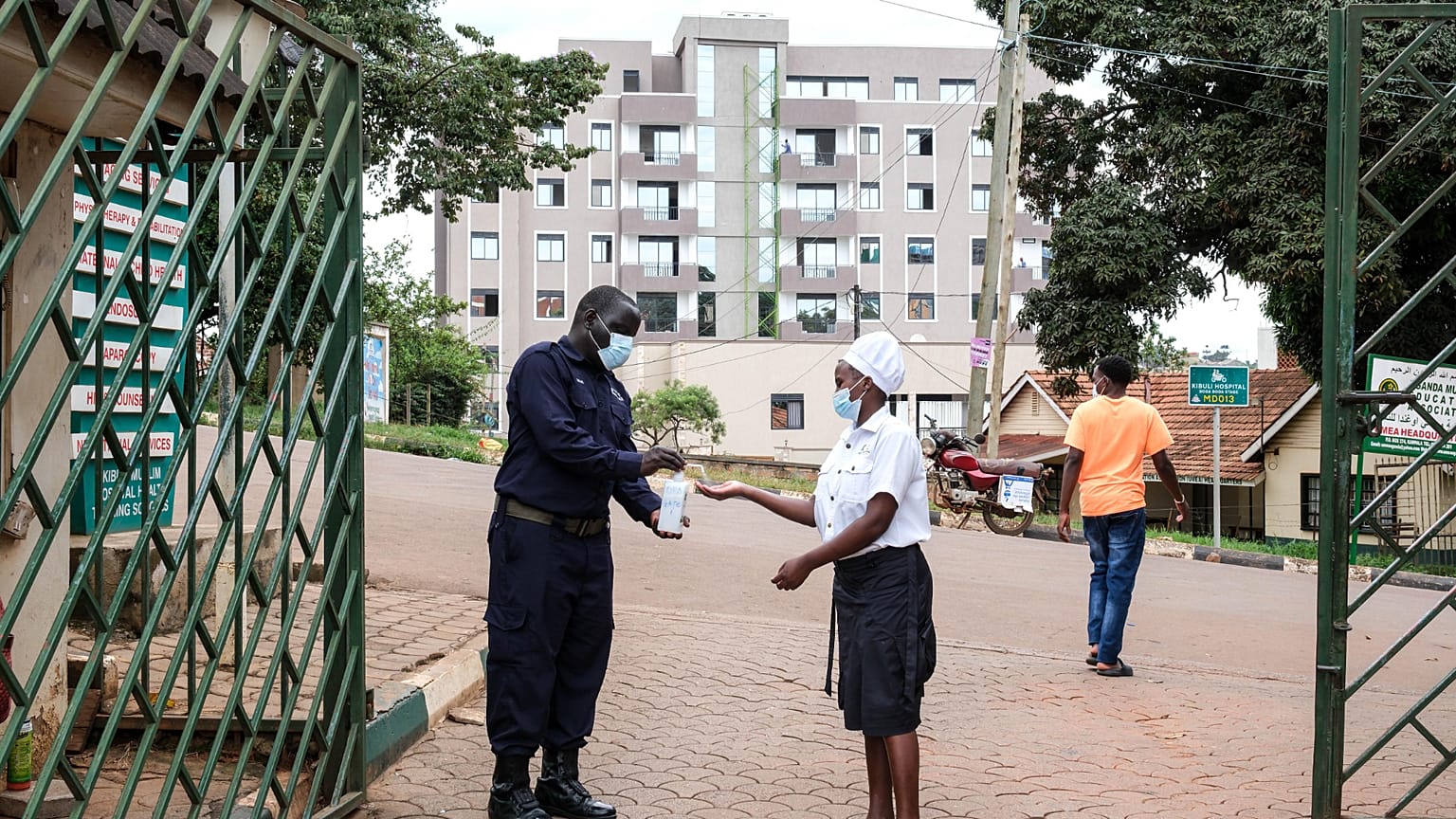













The World Health Organization said that it could be a "much larger" outbreak than what is currently being identified and reported but that is does not meet the criteria of a pandemic emergency.
The World Health Organization has declared an Ebola outbreak in the Democratic Republic of the Congo and Uganda as a global health emergency.
 ADVERTISEMENT
ADVERTISEMENT
ADVERTISEMENT
In a statement on Sunday, the agency said its Director-General had consulted with the two nations and determined that the outbreak met the criteria of a "public health emergency of international concern."
As of Saturday, around 246 suspected cases and 80 suspected deaths had been reported across the DRC's Ituri Province, with eight laboratory-confirmed cases.
A further two lab-confirmed cases have been reported in the Ugandan capital Kampala and one in Kinshasa, the capital of the DRC.
"There are significant uncertainties to the true number of infected persons and geographic spread associated with this event at the present time," the World Health Organization said in its statement, adding that there was also "limited understanding of the epidemiological links with known or suspected cases."
The agency said that while the outbreak constituted a global health emergency, it did not meet the criteria of a pandemic emergency.
Ebola is a severe illness first identified in 1976. According to the Centers for Disease Control and Prevention, up to 90% of cases of Ebola are fatal. Symptoms can include fever, weakness, diarrhea and vomiting.
The Africa Centres for Disease Control and Prevention is "closely monitoring" the situation and said it was working with authorities and partners to deliver a "rapid, coordinated response" that aims to interrupt transmission and reduce the risk of cross-border spread.