












From culture and art to nature, these European destinations are some of the best to visit in 2026 if you want deeper authenticity, local immersion and unforgettable memories.
2025 saw lots of classic European destinations such as Greece, Spain and France in the spotlight, along with nature spots like the Faroe Islands and the Dolomites. Emerging alternatives such as Sardinia as a chic dupe for Sicily also saw growing popularity.
 ADVERTISEMENT
ADVERTISEMENT
ADVERTISEMENT
However, as the year draws to a close, more travellers are starting to plan their holidays for next year.
Sunny weather, beautiful architecture and outdoor adventure activities are likely to be most in demand, with more travellers looking for sustainable holidays and atmospheric city breaks as well.
So, which are the best destinations to plan your 2026 travel around?
For culture, food and architecture: Brussels, Seville and Prague
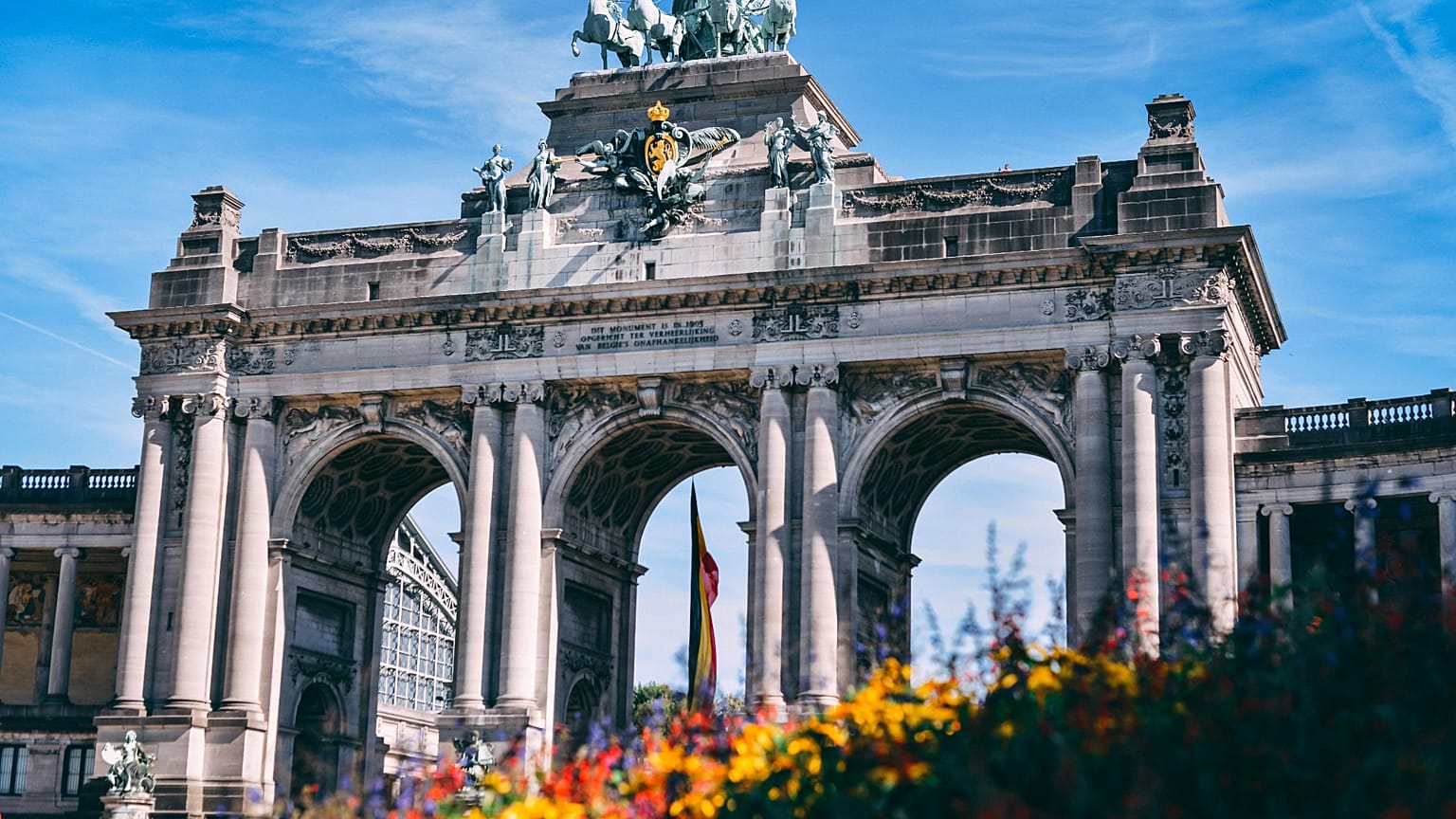
Brussels will be one of the best places for art lovers to visit next year, with the new Kanal-Centre Pompidou museum opening in late 2026, marking the city’s major cultural renaissance.
It offers a distinct blend of historic charm and modern, vibrant experiences, highlighting its shift away from a stopover city to a destination in its own right.
A number of cultural festivals and events will be taking place in Brussels in 2026, such as the Bright Brussels Festivals in February, with illuminated trails and artworks, Art Brussels in spring and the Brussels Jazz Festival in January.
Explore iconic landmarks such as Grand Place and the Atomium, before heading to Maison Antoine for classic frites (fries), or Maison Dandoy for the legendary Belgian waffles.
Antique hunters can find great steals in Art Deco areas like Sablon, while comic book lovers can head to the Comic Strip Centre (BD Museum). To see fine art, head to Bozar.
While first-timers are better off staying in Central Brussels to be closer to Grand Place, shopping and museums, Sablon is another chic area if you’re more interested in art galleries and great restaurants. For street food and vibrant markets, choose Saint-Gilles.
Seville is another upcoming destination in 2026. Its chic cocktail spots and inventive tapas bars offer a fresh, modern twist on Andalusian cuisine, against the backdrop of its historic taverns.
Enjoy flamenco shows in their hometown, beautiful Moorish architecture and landmarks like the Seville Cathedral and the Plaza de España. The city also hosts festivals such as the week-long spring Feria de Abril and the religious Holy Week.
Tuck into delicious traditional dishes such as patatas bravas and croquetas, and don’t forget to try the distinctive Seville marmalade, made with bitter oranges.
Travellers visiting Seville for the first time are better off picking Barrio Santa Cruz to stay in due to its historic charm, with Triana across the river also being a good choice for an authentic, local vibe.
Prague is another top contender for stunning architecture and culture in 2026. The city, which offers medieval charm and a fairytale feel, was ranked in the World’s Best Cities Index 2026.
Next year, it will also host key sporting events such as the iconic Prague Marathon, celebrating its fourth decade, as well as the 81st Prague Spring Music Festival.
Visit the beautiful Old Town Square, Prague Castle and Charles Bridge, wandering around charming hilly streets, before heading to the Jewish Quarter. Kafka’s statue and the Dancing House are other must-sees as well.
Try traditional dishes such as goulash at Lokál and knedlíki (bread or potato dumplings used to soak up sauces). Head to Esta in Karlín for innovative dishes, or to a street vendor for a deliciously sweet chimney cake.
If you’re visiting Prague for the first time, try staying in Staré Mĕsto (Old Town), in order to be close to key sights. Malá Strana in Lesser Town offers a romantic and picturesque stay with plenty of boutique hotels and quiet lanes too.
For sun, sand and sea: Albania and Malta
Warmer destinations are still a top priority for Europeans in 2026, with the Albanian Riviera likely to emerge as one of the best niche destinations next year.
The country is quickly becoming a hub for off-grid adventure, with its unspoiled coastlines and beaches, such as those in Ksamil, being compared to other popular southern European beaches.
Travellers can explore UNESCO sites such as Butrint National Park and the Gjirokastër Castle, followed by beach hopping to discover hidden coves. Enjoy popular spots like Ksamil, with its islets, Dhërmi, Jale Beach and the quiet Narte Beach.
Visitors can take boat trips, including a day trip to Corfu by ferry, or head to Saranda for seafront dining, a vibrant promenade and the nearby Monastery of 40 Saints.
Try fresh seafood like octopus and grilled fish, as well as local specialities such as byrek (savoury pastry), along with homemade Raki (fruit brandy) at tavernas. Stay in Ksamil for the beaches and to be close to Butrint, or in Saranda for great access.
Malta is expected to be another top spot for travellers looking for sunny vistas and endless beaches in 2026. Offering an abundance of UNESCO sites and ancient temples, as well as stunning Mediterranean views, Malta has a blend of Arabic, Italian and British cultural influences, perfect for travellers wanting a rich, multifaceted European island holiday.
Explore the charming streets of Valletta, along with the Upper Barrakka Gardens, before heading to the National Museum of Archaeology to learn more about the region’s fascinating history.
In Mdina, an ancient walled city also known as the Silent City, travellers can visit St. Paul’s Cathedral and marvel at panoramic views from the bastions.
Swim in St. Peter’s Pool near the fishing village of Marsaxlokk or take a ferry to Gozo for the Citadel in Victoria and the Inland Sea. Try traditional delicacies such as pastizzi (flaky pastries filled with peas or ricotta) and fenek (slow-cooked rabbit stew).
Stay in St. Julian’s for vibrant nightlife and trendy bars, or Sliema for great access. Culture lovers should choose Valletta for its istory, architecture and fine dining.
For nature and adventure: Cappadocia, Lapland and the Carpathians
Turkey’s Cappadocia has been fast emerging as a destination to watch for nature and adventure activities in 2026. Famous for its hot air balloon rides, iconic landscape of “fairy chimneys” and cave hotels, it offers a blend of Anatolian and Turkish traditions.
Travellers can explore underground cities, and hike through vibrantly coloured valleys with picturesque views, cave churches and bizarre rock formations. For those who want a higher adrenaline hit, try paragliding above the fairy chimneys. In winter, potential snow creates even more stunning backdrops for balloon rides.
Cappadocia has also been recognised in the 2026 Michelin Guide, attracting foodies as well as adventure lovers, with its 2026 Hot Air Balloon Festival in August expected to be another major attraction.
Lapland is also a top destination for 2026, especially as until early 2026 is the last chance to see peak Northern Lights displays.
This is because the sun is currently in its solar maximum phase, which is the peak period of activity in an 11-year cycle. This period is characterised by more sunspots, solar flares and geomagnetic storms, which also include brighter, more frequent and more intense Northern Lights displays, something not seen for around a decade.
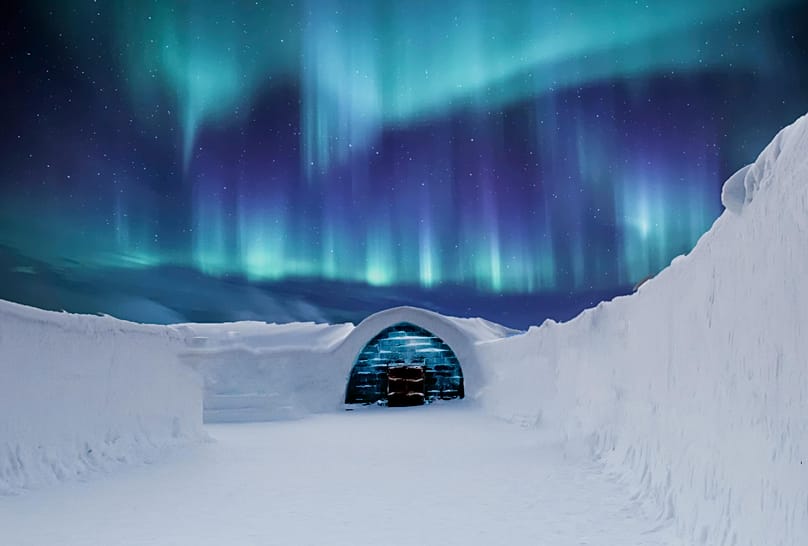
Apart from the aurora, Lapland offers winter activities such as husky sledding, snowshoeing, reindeer sleigh rides, snowmobiling and ice fishing. Travellers can stay in unique places such as snow hotels and glass igloos.
They can also visit the “Santa Claus Village” in Rovaniemi, to meet Santa and his elves, as well as national parks such as Pallas-Yllästunturi National Park for pristine wilderness.
Nature lovers can head to the Carpathians too next year, which remains one of Europe’s wildest and least-trodden mountain ranges. The region is focusing more on eco-tourism and wildlife in 2026, along with deep cultural immersion.
On the Romanian side, there are plenty of opportunities to be involved in local conservation efforts like bear sanctuaries. A number of specific tours also offer varied spring and autumn wildlife experiences.
On the Slovakian side, Trenčín, a western Carpathian town, has been named a 2026 European Capital of Culture, highlighting sustainable travel, medieval charm and authentic traditions which broaden the region’s appeal to outside visitors.
Travellers can enjoy beautiful hikes, with chances of glimpsing wolves, bears, Eurasian lynx and golden eagles, among others. Mountain biking, snowshoeing and relaxing in thermal baths are also popular activities, along with visiting unique villages like Magura and UNESCO painted monasteries like Voronet and Humor.