




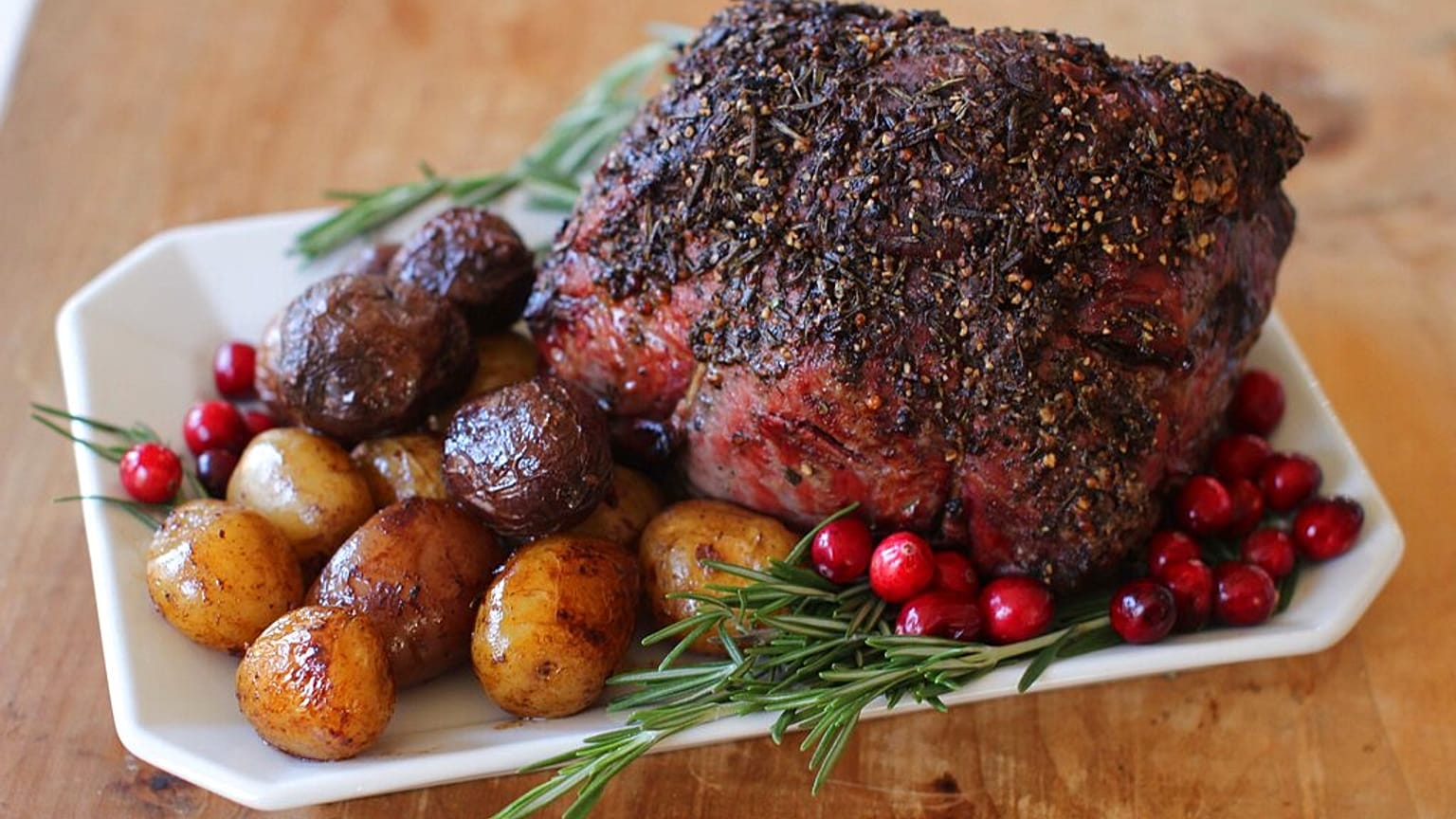













Euronews took a quick sleigh ride around Europe to see what bills countries are facing to put on the traditional festive banquet.
The Christmas and New Year holiday season is a time synonymous with gifts, family reuinions and, very often, excessive eating.
 ADVERTISEMENT
ADVERTISEMENT
ADVERTISEMENT
Families across Europe often start getting the festive delicacies for their Christmas feast together weeks in advance and this year, once again, will have to dig deep to cover the extra expense.
Ingredients like meat, eggs and chocolate have once again risen in price, putting a strain on the wallets of European consumers.
Euronews took a quick sleigh ride around Europe to see what bills countries are facing to put on the traditional festive banquet.
Greece: Prices up more than 15% compared to 2024
The cost for customers in Greece to lay on a sumptuous Christmas spread is expected to be up signficantly, between 16-20% more expensive compared to last year, according to a survey by INKA, the General Federation of Consumers.
The study is for a table for four people on Christmas Day and doesn't include expenses for standards like oil, lemons, eggs, electricity, decorations or candles, which can add at least €10 to the total cost at a very generous estimate.
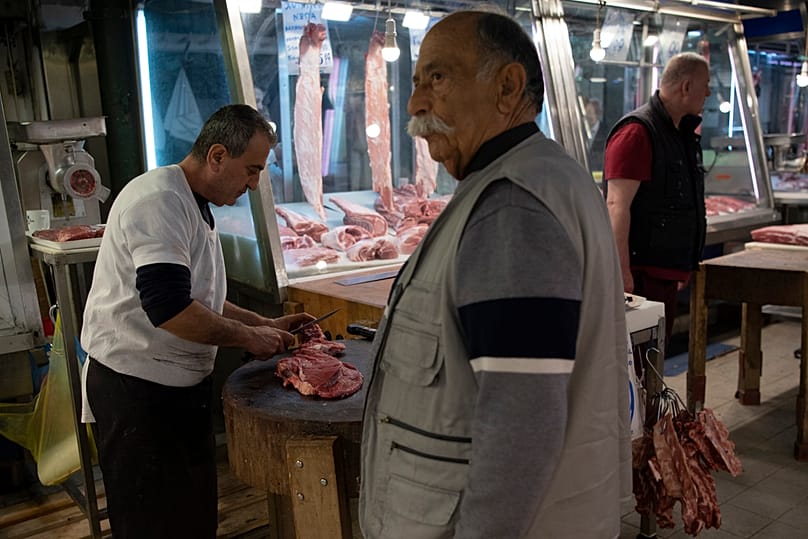
Meat has seen an increase in price of 12-18%, reaching €15-€17 euros per kilo with forecasts suggesting that it could go up to €20.
Lamb and goat, which Greek consumers often choose over other meats, are showing increases of 15%-18% compared to last year, while pork is between 10%-12% more expensive.
Cheese shows a similar increase at 10%-12% while the price of oil has increased by a staggering 60% due to reduced production.
This year, the cost per person for a family of four is expected to be around €186, up from the €156 for the same products last year.
According to the latest Eurostat data, food inflation in November was higher than general inflation, at 3.1% compared to 2.5% in the same month last year.
Spain: The traditional Christmas party more costly this year
Traditional foods for Christmas celebrations in Spain have risen in price by 5.1% compared to 2024, with products such as Jamón, assorted meat and Iberian seafood reaching record levels.
Inflation and soaring prices caused by bird flu have sent the price for the average shopping basket soaring. A typical Christmas meal will cost around €44 per person.
Beef has become 18% more expensive than in 2024, with prices rising to €27 per kilo for sirloin and €55 for ribeye. Meanwhile, traditional festive poultry, such as turkey, is selling for between €9-€12 per kilo, but prices are expected to continue to rise.
The later you buy, the higher the cost, which is why butchers recommend buying early and vacuum-sealing the meat.
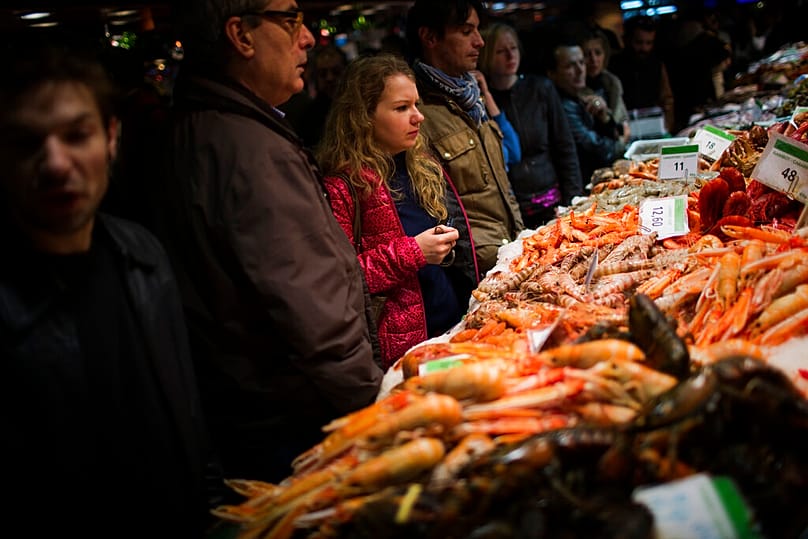
Fish and seafood face a similar situation with shortages pushing prices up. Fishmongers warn that a fish that costs €40 per kilo today could reach between €80 and €90 by 24 December.
This year, Spaniards will spend an average of around €800 on Christmas, up €100 compared to last year, according to a survey by the Consumers and Users' Association.
52% of Spaniards expect to spend more than they had originally planned for the festive season. And those planning to celebrate with a New Year's Eve party will spend an additional €73 more per person.
Portugal: Chocolate prices up but olive oil cheaper
Portugal's Association for Consumer Protection (DECO) estimates a basket of basic Christmas items will cost an average of €54.35 euros at the beginning of December. This figure represents an increase of 2.8% compared to the same period in 2024. The products that contributed most to this price increase include chocolate, eggs, turkey and cod.
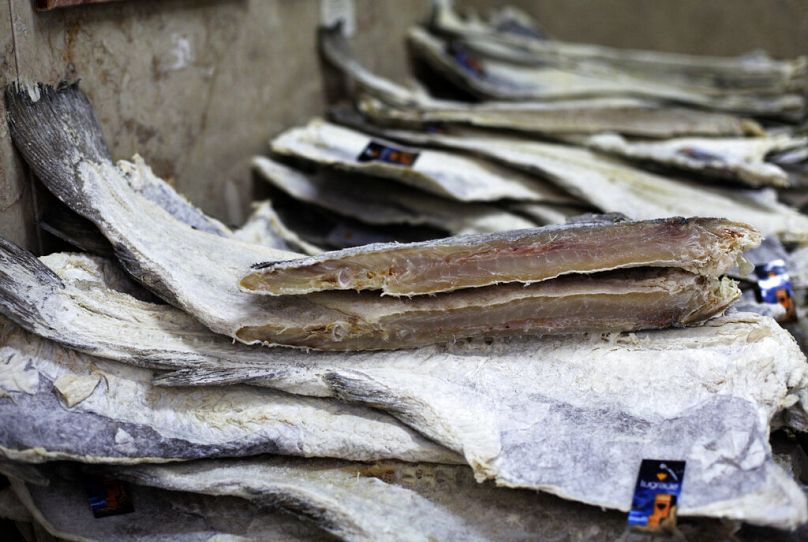
In terms of prices, large cod per kilo will reach €16.71 this year compared to €12.84 last year, turkey comes in at €5.70 per kilo compared to €4.33 a year ago and eggs cost more than €2 per pack this year compared to €1.53 last year.
The product that has seen the biggest price increase however is chocolate which reached €4.07 per package compared to €1.86 last year. On the other end of the scale though, extra virgin olive oil fell by 34.6%, reaching €6.65 per 750 ml compared to €10.17 last year.
Italy: Celebrations 9% more expensive than last year
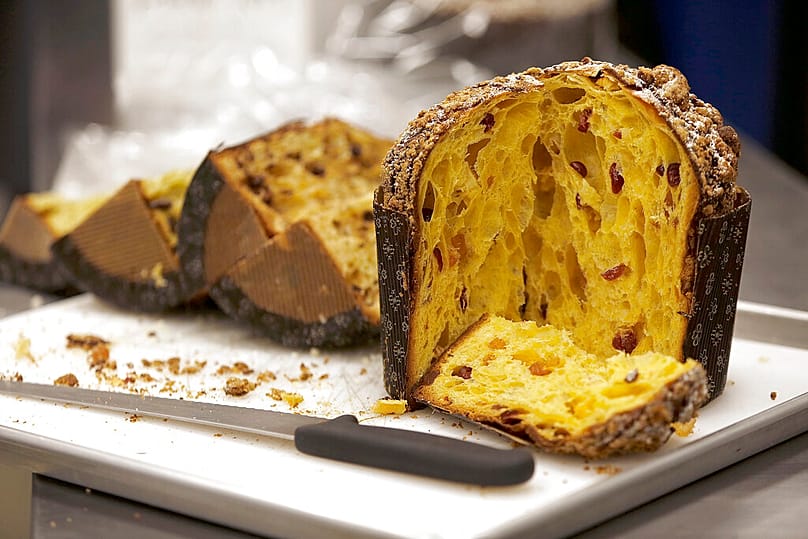
Italians will spend around €3.1 billion on the traditional Christmas Eve dinner and Christmas lunch, according to the Italian consumer association (Codacons), with some products also seeing significant price increases.
Cocoa, which has increased by 21.1% year-on-year, coffee (+18.8%), chocolate (+9.3%) and eggs (+7.7%), while cheese and dairy products are 6.4% more expensive than last year and the price of meat is up by 5.8%.
Spending on Christmas lunch or Christmas Eve dinner in a restaurant will amount to around €440 million.
Of particular note is the issue of gift giving by Italians. This year, the percentage of Italians who will give jewellery, a common present in the country, has dropped significantly as jewellery prices have seen an average increase of 26.3% year-on-year due to the sharp rise in gold prices.
At the top of the list of items most likely to be donated during the holidays this year, after the inevitable children's toys, are clothes and accessories, followed by electronics and food.
In total, Italians will spend €9.5 billion on gifts this year, €3.1 billion on the holiday table, €15 billion on travel and €440 million on restaurant dinners.
France: Reduced costs for the Christmas banquet
According to ICI franceinfo, the average Christmas shopping basket for 2025 costs €155.30, a slight decrease for the second year in a row. The most notable increase concerns boxes of chocolates, which have risen by 22% since last year, according to a study carried out in collaboration with NielsenIQ.
This year's Christmas basket costs €1.77 less than in 2024, according to a study conducted by ICI (formerly France Bleu) and franceinfo in collaboration with NielsenIQ.
After a period of high inflation, prices are falling slightly for the second year in a row, despite the increase in the price of chocolate.
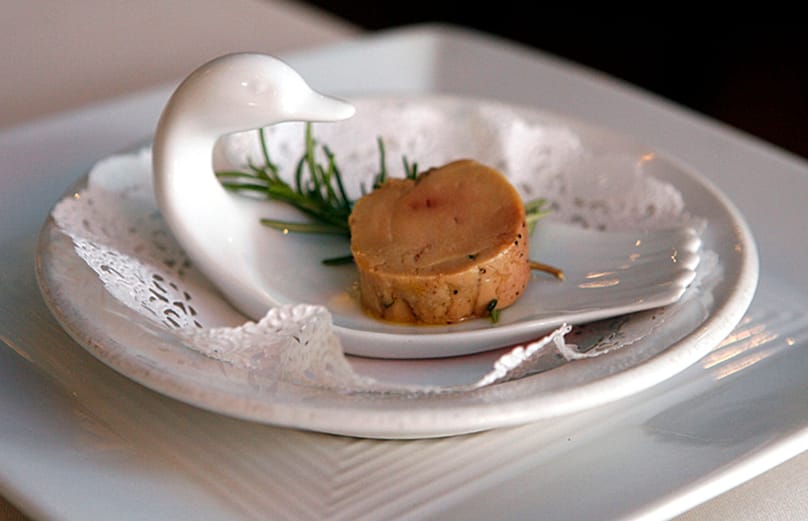
The Christmas basket, consisting of 12 festive products (turkey, foie gras, smoked salmon, ice cream, champagne, etc.), cost €157.07 in 2024. This year, the price has decreased by 1.1%. However, over three years (2022-2025), the price of this basket has increased by €10.39 or 12%.
According to NielsenIQ, prices will never return to levels before 2022, despite a sharp slowdown in inflation.
For example, the French favourite foie gras costs 8.7% less this year than last year (€17.91 per 180 gram jar) but over three years it remains up 2%. The turkey is perhaps the most striking example as it has risen only 0.2% this year but over three years it has increased by 15%.
Germany: Germans spending more this year...but not on food
According to a survey by Shopfully in collaboration with Yougov conducted in Germany in November, financial caution is a key feature of Christmas 2025 planning.
The survey shows that more than half of Germans plan to spend no more than €200 on gifts, meals and decorations combined.
27% will spend less than €100, 23% expect to spend between €100-€200 and only 7% plan to spend more than €600.
Remarkably, only 5% want to spend less on Christmas dinner, suggesting that it remains a cherished, protected tradition.
As is the case in most countries in Europe, inflation has hit the food sector in Germany with most products rising by more than 2% each month.
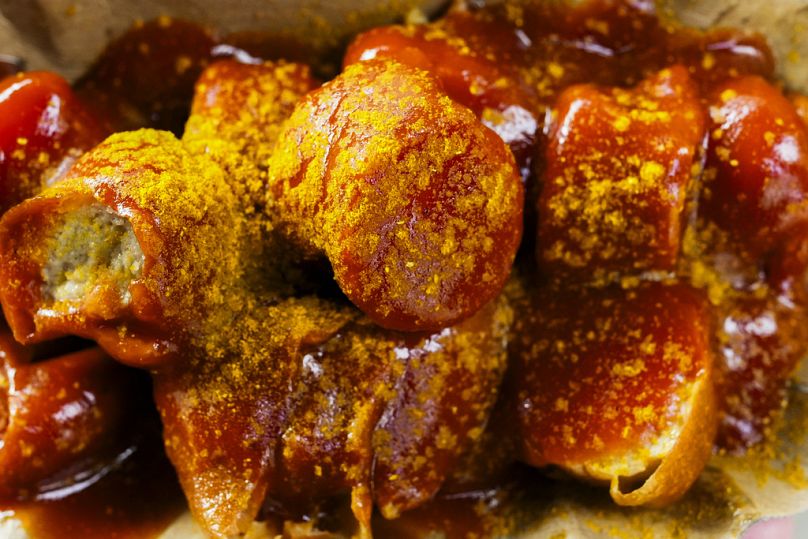
The German Economic Institute last year calculated the price of potato salad with sausages for four people in all regions across the country as between €7.52-€7.81. The mayonnaise version was slightly more expensive than the vinegar and oil version. This price is expected to be higher this year, due to the price of crepes. And anyone who wants to prepare a Christmas goose can expect to pay between €18-€22 per kilo this year.
Poland: Historic reduction in Christmas spending
In Poland, data is compiled in the report of the Polish Bankers Association entitled "Christmas Wallet of Poles." However, it is not only about the cost of Christmas dinner but for more than two days of celebration as in Poland the party starts on Christmas Eve and ends on the evening of 26 December.
So with this in mind, Poland offers a cheaper Christmas as each citizen is expected to pay less this year, by 1%, admittedly not a large percentage but compared to the rest of Europe it is significant.
The estimated cost of a Christmas basket (including food, gifts, fuel, Christmas tree, etc.) for a family of four will be PLN 3,655.30 (€862) this year, a decrease compared to 2024, when the value of the basket was estimated at PLN 3,804.90 (€901).
The decrease in spending is mainly due to cheaper fuel and lower preparation costs for family gatherings; clothes and hairdressing will cost an average of PLN 1,147 (€271) this year, which is PLN 148 less (€35) than last year, and a full tank of fuel will cost PLN 348 (€82), compared to PLN 394 (€93) in 2024.
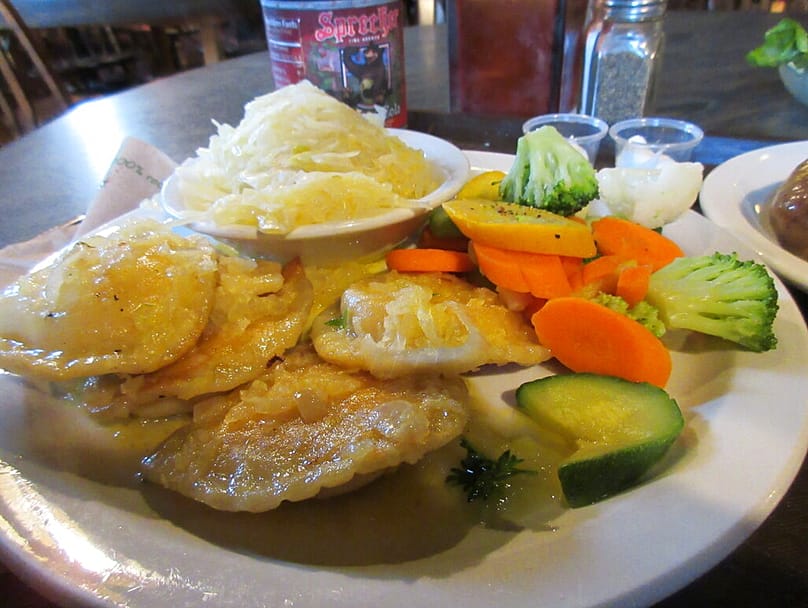
There is also good news about the Christmas Eve menu. Carp, an integral part of the Christmas tradition, currently costs PLN 117 (€27.7) per 2kg, compared to PLN 140 (€33.17) in 2024, making preparations for Christmas Eve dinner a little easier.
The prices of many staple products, such as butter, eggs and bread, remain stable.
Although there has been a reduction in the prices of some products, some categories of products are generating higher costs. Other food, including meat and sausages, other staple items on the Christmas dinner table, have increased to PLN 1,050 (EUR 248) compared to PLN 1,003 (EUR 237) in 2024.
Hungary: Government price cap on Christmas products
The Hungarian government has chosen this year to cap the prices of basic Christmas products, especially food, in order to contain the final cost of the holidays for citizens.
Food inflation was 3.2% in November compared to last November with the Hungarian authorities capping Christmas prices on products including milk, flour, potato, chicken breast and more.
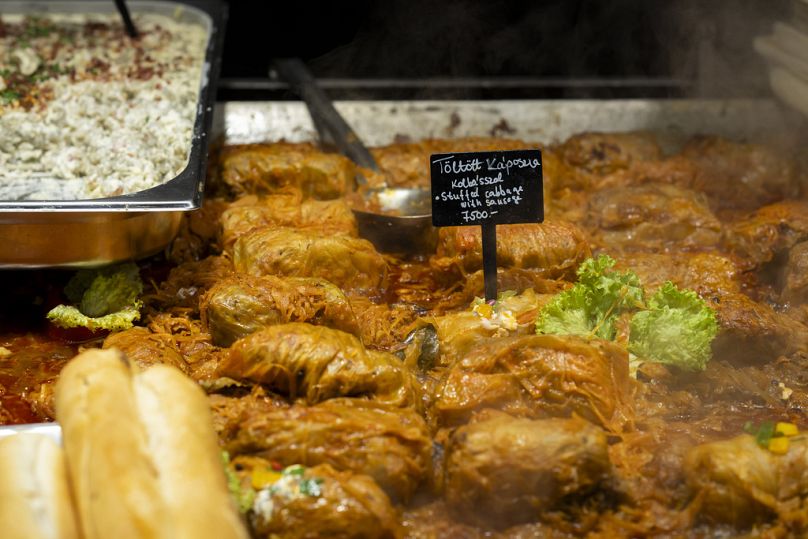
Hungarians traditionally choose one of the following dishes for their festive dinner: Fish soup with paprika, fried pork steak with potatoes, stuffed cabbage (perhaps the most iconic dish) and a dessert of beigli, a yeast dough roll containing walnut or poppy seeds.
To make all four of these dishes, one would need to spend €78.19 on the ingredients.
Turkey: Inflation hits households and the holiday table
In Turkey, aggregated data are not available but a first survey shows that a holiday table for four people will cost €153.14, which works out at €38.29 per person.
The final figure may seem small in absolute terms but it should be noted that the average monthly salary in Turkey is less than €700.
In the prices of products we see turkey approaching €7 per kilo, lamb chops close to €15 and sausages at €14.94 per kilo.
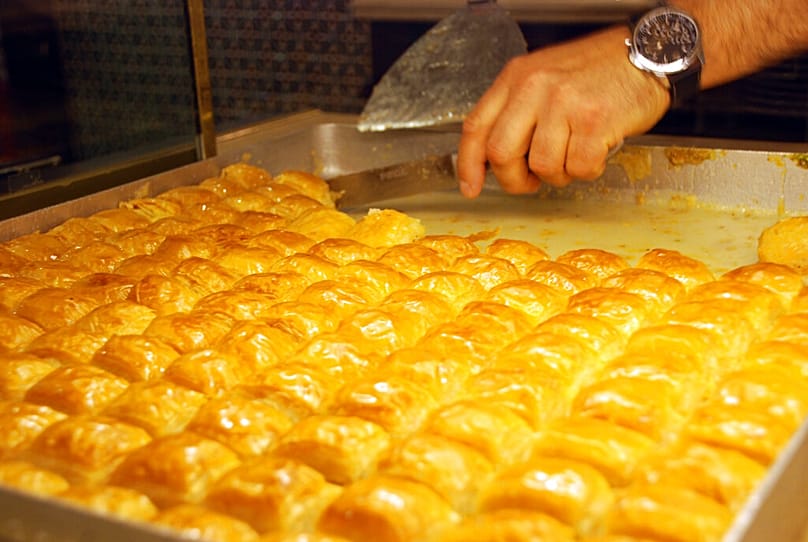
The traditional dessert is of course dominated by baklava, which this year is priced at €19,92 per kilo.