




























Highlights of the museum include the Apple I, Apple’s very first computer, sold originally as a bare motherboard and now a rare collector’s gem valued at over $1 million.
Fifty years ago, in a humble garage, two young visionaries in their early twenties tinkered with circuits and wires, with a dream of changing the world.
 ADVERTISEMENT
ADVERTISEMENT
ADVERTISEMENT
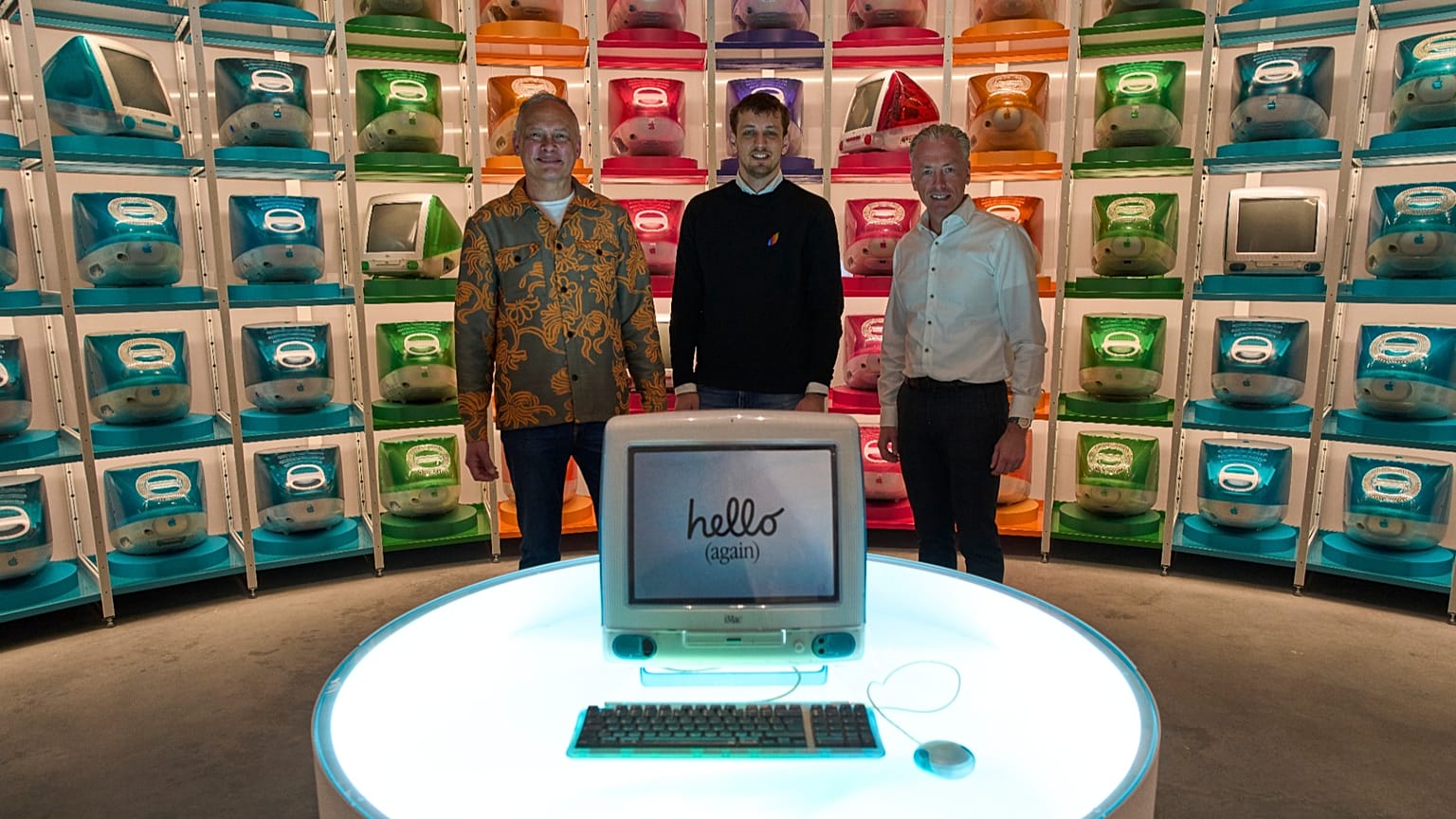
Today, visitors in Utrecht can step into that story at the Netherlands' new Apple Museum, tracing the company's journey from a small startup to one of the most influential technology brands in history.
The museum features a wide collection of Apple products, including early machines from the 1970s, the original Macintosh and later devices that helped shape personal computing
Visitors begin their experience by exploring a recreation of the garage often associated with Apple's early days, where Steve Jobs and his friend and co‑founder Steve Wozniak formally registered Apple Computer Company on 1 April 1976.
"The museum is set up in a way that when you enter, you start in the garage, which is where it all began, and it's not so that it was their headquarters, but it tells a lot about the two people that founded Apple, Steve Wozniak and Steve Jobs, and what the basis is of their vision behind the products," said museum founder Ed Bindels.
"So, step-by-step, we'll tell them things about how the logo developed, about the design language they use. So, I hope when people leave this museum, they know more about Apple and if they use an Apple product, they look differently at that product, that's what we hope," he added.
From a garage to becoming a global tech giant
One of the new museum's highlights is the Apple I, the company's first product, which was designed and hand-built entirely by Wozniak. It was released in 1976 and is widely considered the starting point of Apple’s journey.
At the time, Steve Jobs sold his beloved Volkswagen bus, while Wozniak parted with his HP‑65 calculator - small sacrifices to fund the computer's creation.
But unlike modern computers, this product was sold as just a motherboard, leaving buyers to assemble the remaining components themselves.
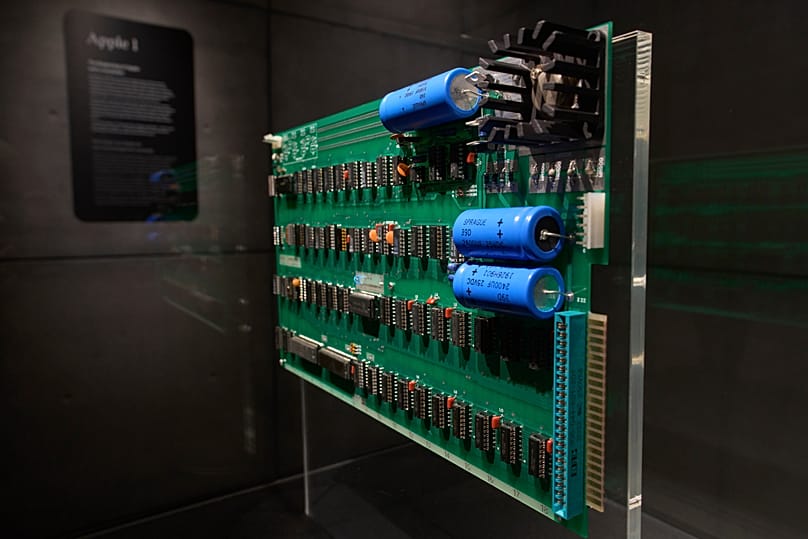
“So, normally a computer would have a keyboard and everything, but they just sold the motherboard, and you had to add your own keyboard and there were interfaces to connect them," explained Apple Museum board member Antonie de Kok.
Only a small number of Apple I computers still exist today, making them highly valuable collector’s items. "These are unique. They are very valuable. One has just been sold for more than $1 million, because there are only a few left. It's the start of Apple as we all know it now. This was the first thing they ever developed," de Kok said.
Thousands of artefacts on display
Museum officials say it is Europe’s largest Apple Museum, with over 5,000 items from computers to posters, iPads, iPhones and other items produced by Apple. Although only a portion of the collection is currently exhibited.
"We are showing less than 10 percent of what we have in total, because we have a big collection. But we want the products to support the story, and we don't want to have the products as the main star. So, they are here to tell the story, and that's why we select only a few items," said De Kok.
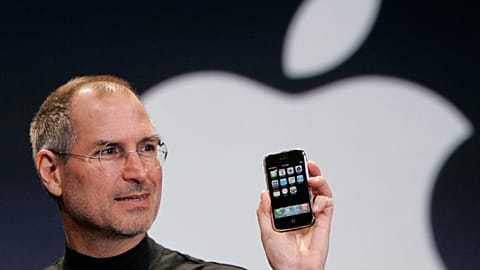
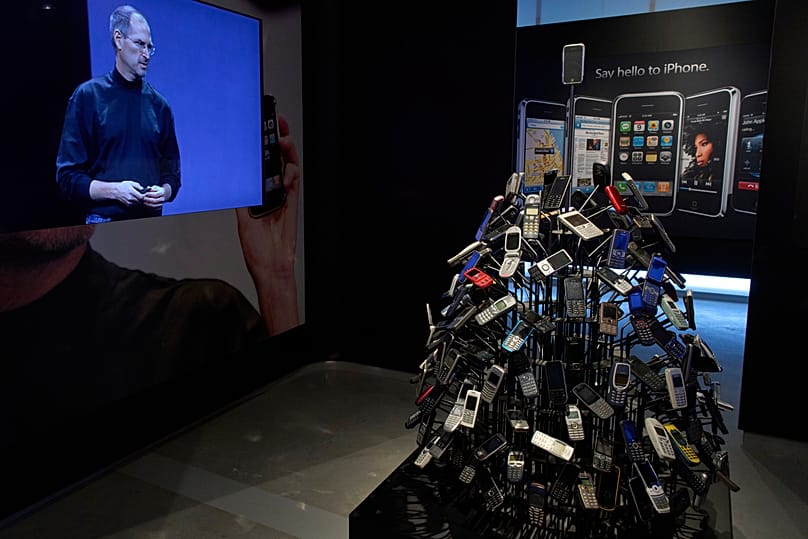
The museum’s journey ends with the iPhone, showcasing how Apple transformed communication, design, and everyday life over 50 years.
Utrecht's Apple Museum officially opens to the public on 2 April.