





























NASA has announced preliminary plans for Artemis III, its next Moon mission.
While the world is still thinking about the record-breaking Artemis II mission that brought four astronauts to the far side of the Moon, the United States’ National Aeronautics and Space Administration (NASA) is getting ready for the next mission.
 ADVERTISEMENT
ADVERTISEMENT
ADVERTISEMENT
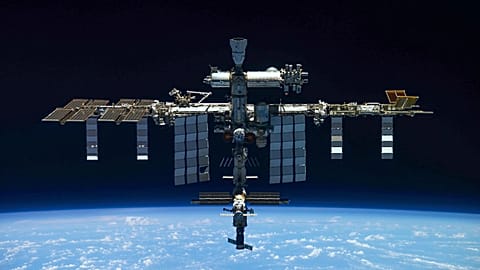
NASA announced its plans for Artemis III, a mission that will keep astronauts close to the Earth but will be testing the systems they will need for an eventual Moon landing.
It will also be figuring out how to work with “multiple spacecrafts,” and partners before they send astronauts to the Moon, said Jeremy Parsons, Moon to Mars acting assistant deputy administrator.
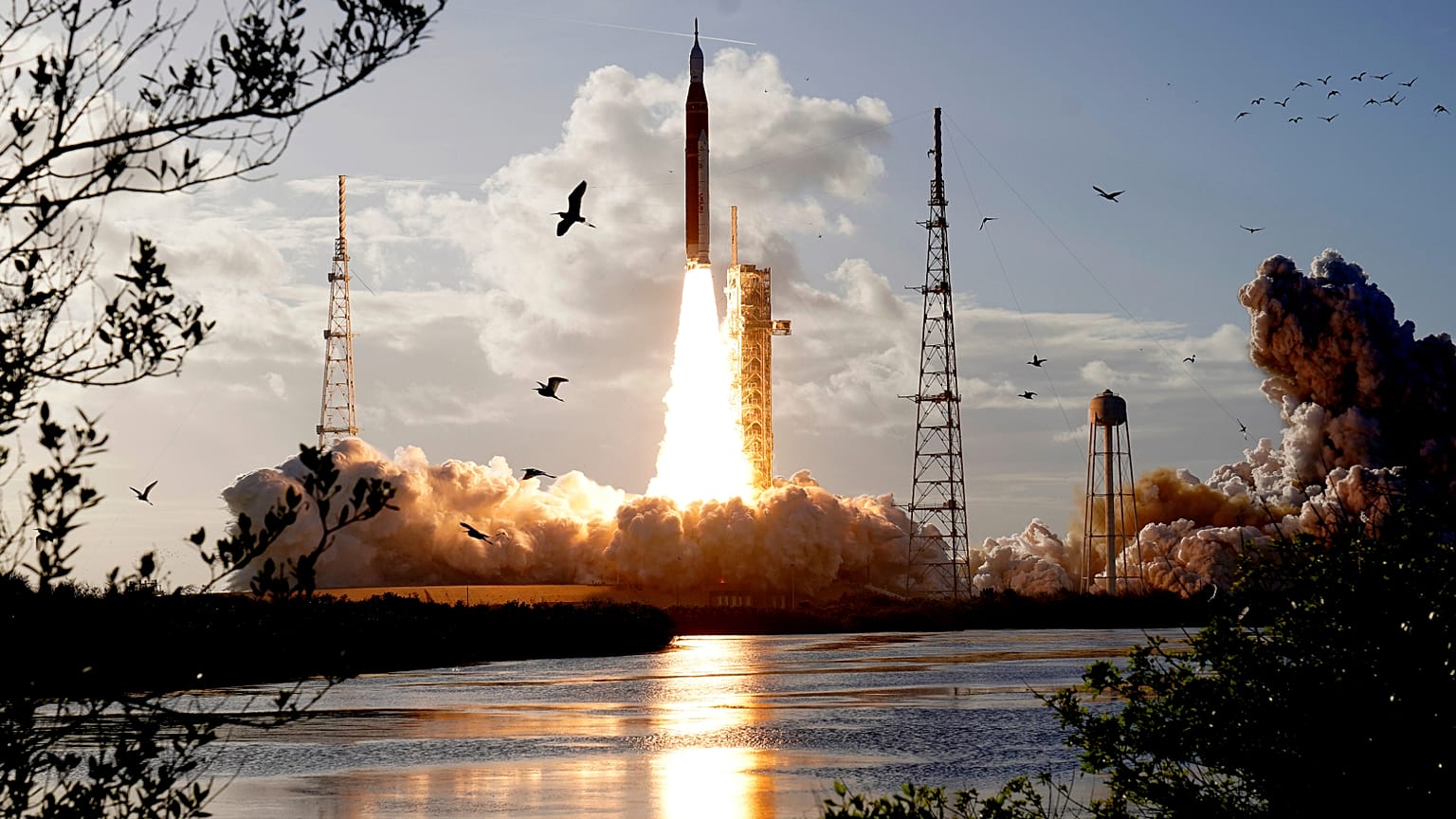
Artemis III will see the Orion spacecraft take off with a four-person crew. The craft will stay in low-Earth orbit to allow more launch opportunities for each element of the mission, including the Space Launch System (SLS) that will launch the Orion and its crew into space.
It will also give SpaceX and Blue Origin time to test their human landing rocket systems, NASA said.
The Artemis government contracts were initially supposed to go to SpaceX for its Starship rocket but NASA said it would reopen the contracts due to delays. Now, Jeff Bezos’ Blue Origin is testing its Blue Moon lander during an upcoming robotic mission later this year.
The yet-to-be-announced crew will also spend more time in space than on previous missions to test life support systems on the craft, such as the supply of water, oxygen, and nitrogen.
They will also display a docking system performance for the first time in orbit, which is two craft joining together while in orbit to refuel.
This is a key part of future missions to the Moon and eventually to Mars, because longer flights will require refuelling that has to be done from space, experts have previously told Euronews Next.
“The mission will inform lander rendezvous and habitation concepts and mission operations in preparation for future surface missions,” NASA said in a statement.
There are still some questions that NASA needs to answer about Artemis III, the agency said, including how long the mission will last, what scientific objectives the mission has, and how astronauts will be communicating with ground control.
This mission description is a change for NASA from their original Artemis mission pipeline, which was supposed to bring humans to the Moon with Artemis III.
The long-awaited return of humans to the surface of the Moon will have to wait until Artemis IV, scheduled for sometime in 2028.