















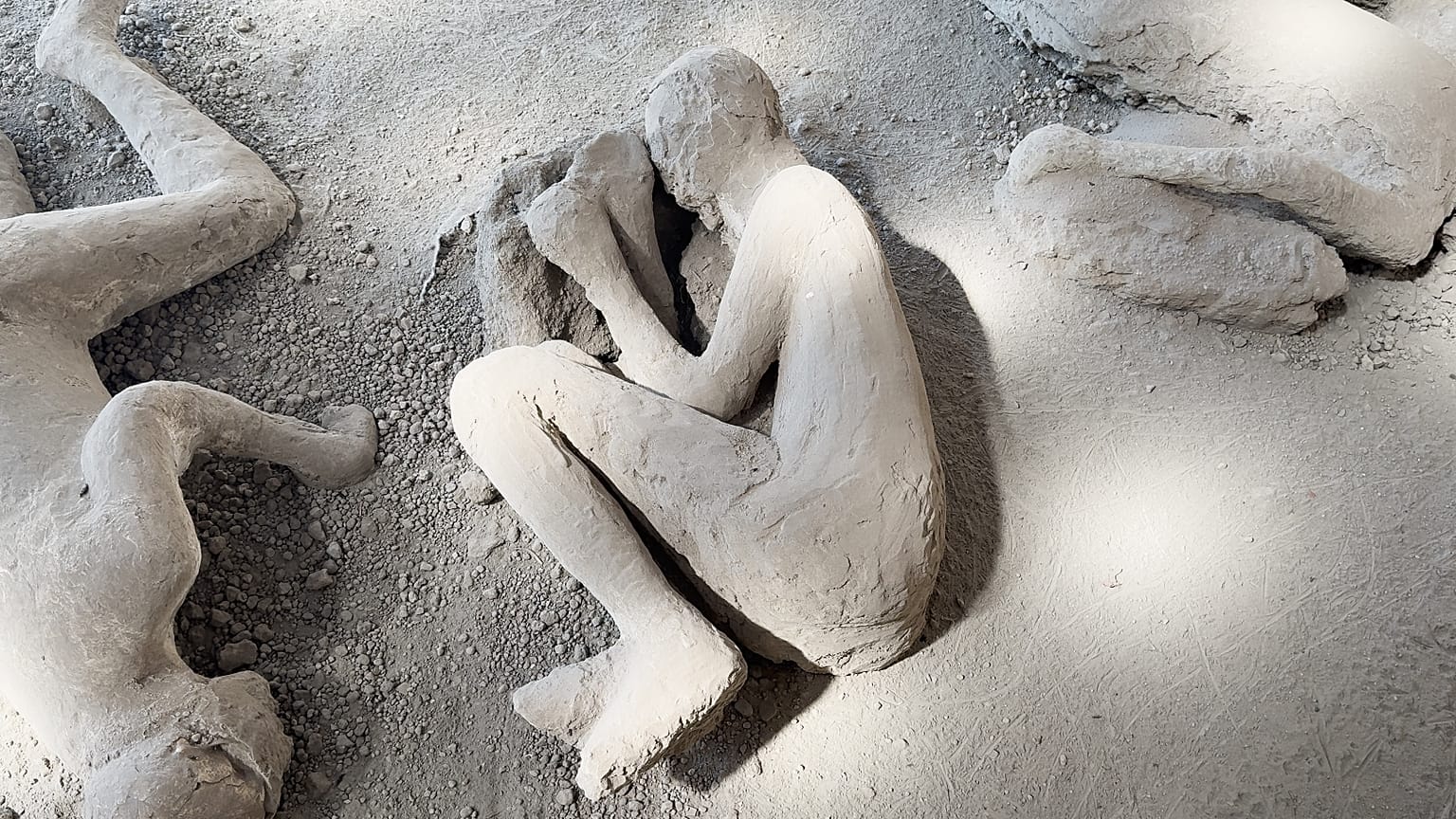














Interdisciplinary work made it possible to identify the body of a doctor among the victims of the eruption of Vesuvius in 79 AD. The plaster cast held a case with the instruments used by doctors at the time
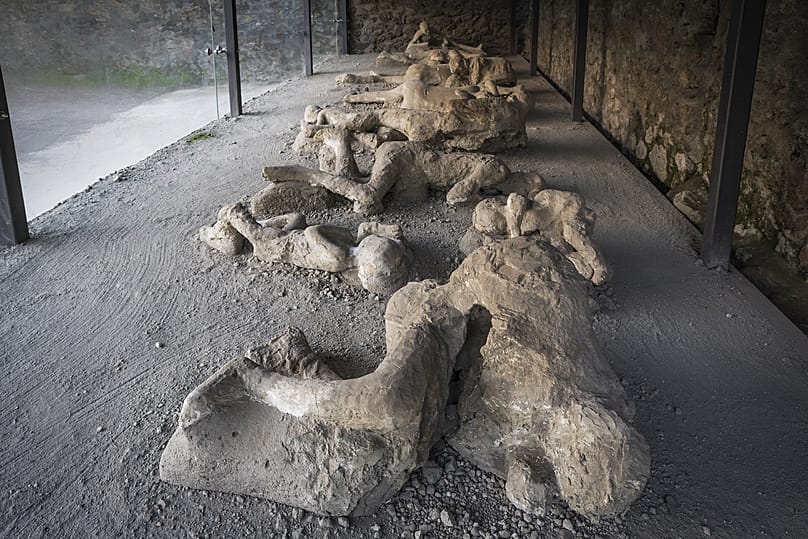
A doctor caught while trying to flee the eruption of Vesuvius in 79 AD, carrying the tools of his profession. The finding is the latest extraordinary discovery at the Archaeological Park of Pompeii, made more than sixty years after the excavation of the Orto dei Fuggiaschi.
 ADVERTISEMENT
ADVERTISEMENT
ADVERTISEMENT
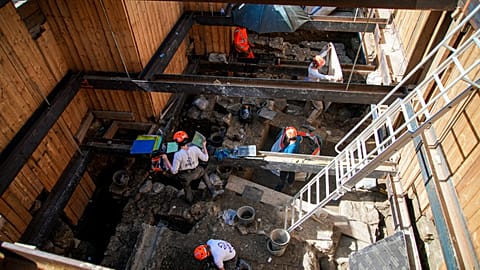
The breakthrough came from the study of a small case hidden inside the plaster of a human cast, found during the investigations directed by Amedeo Maiuri in 1961. The area, then occupied by a vineyard, revealed casts were of fourteen people caught in the pyroclastic cloud in a desperate attempt to save themselves.
Recent analyses of the materials stored in the deposits of the Archaeological Park of Pompeii have brought to light an exceptionally interesting personal trousseau: a small box made of organic material with metal elements, a fabric bag with bronze and silver coins and a series of instruments compatible with a medical kit.
How the physician of ancient Pompeii was identified
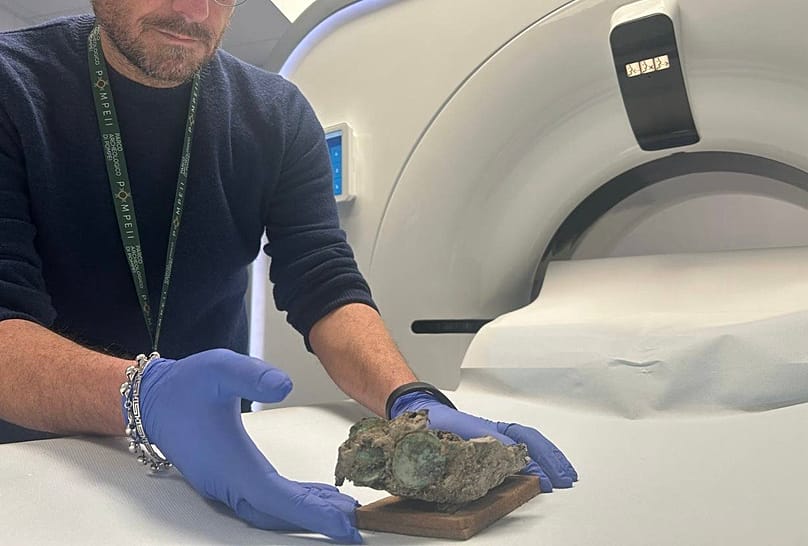
Diagnostic investigations using X-rays and tomography at the Maria Rosaria Nursing Home have revealed a slate plate inside the case, -likely used for preparing medical or cosmetic substances - and small metal instruments that can be interpreted as surgical tools. These findings support the hypothesis that the victim was a doctor, offering a rare and valuable clue about his profession.
The use of advanced diagnostic technologies, including CT scans supported by Artificial Intelligence and 3D reconstructions, made it possible to analyse the content of the cast without compromising its integrity. This approach opens new possibilities for studying Pompeian casts and has also uncovered previously unknown details of the chest’s sophisticated mechanical design, including a toothed-wheel locking system.
The research is the result of interdisciplinary work that has seen archaeologists, restorers, physical anthropologists, archaeobotanists, numismatists, radiologists, diagnostic technicians and digital modelling specialists working together, restoring not just an object, but an interrupted life story.
"Already two thousand years ago, there were those who were not just doctors during set hours, but doctors at all times—even in the moment of their escape from the eruption, cut short by the pyroclastic cloud that engulfed a group of fugitives attempting to leave the city through Porta Nocera." commented Park Director Gabriel Zuchtriegel.
"This man brought his tools with him to be ready to rebuild his life elsewhere, thanks to his profession, but perhaps also to help others. We dedicate this small but significant discovery to all the women and men who today continue to carry out this profession with a very high sense of responsibility and service to the community," Zuchtriegel concluded.