




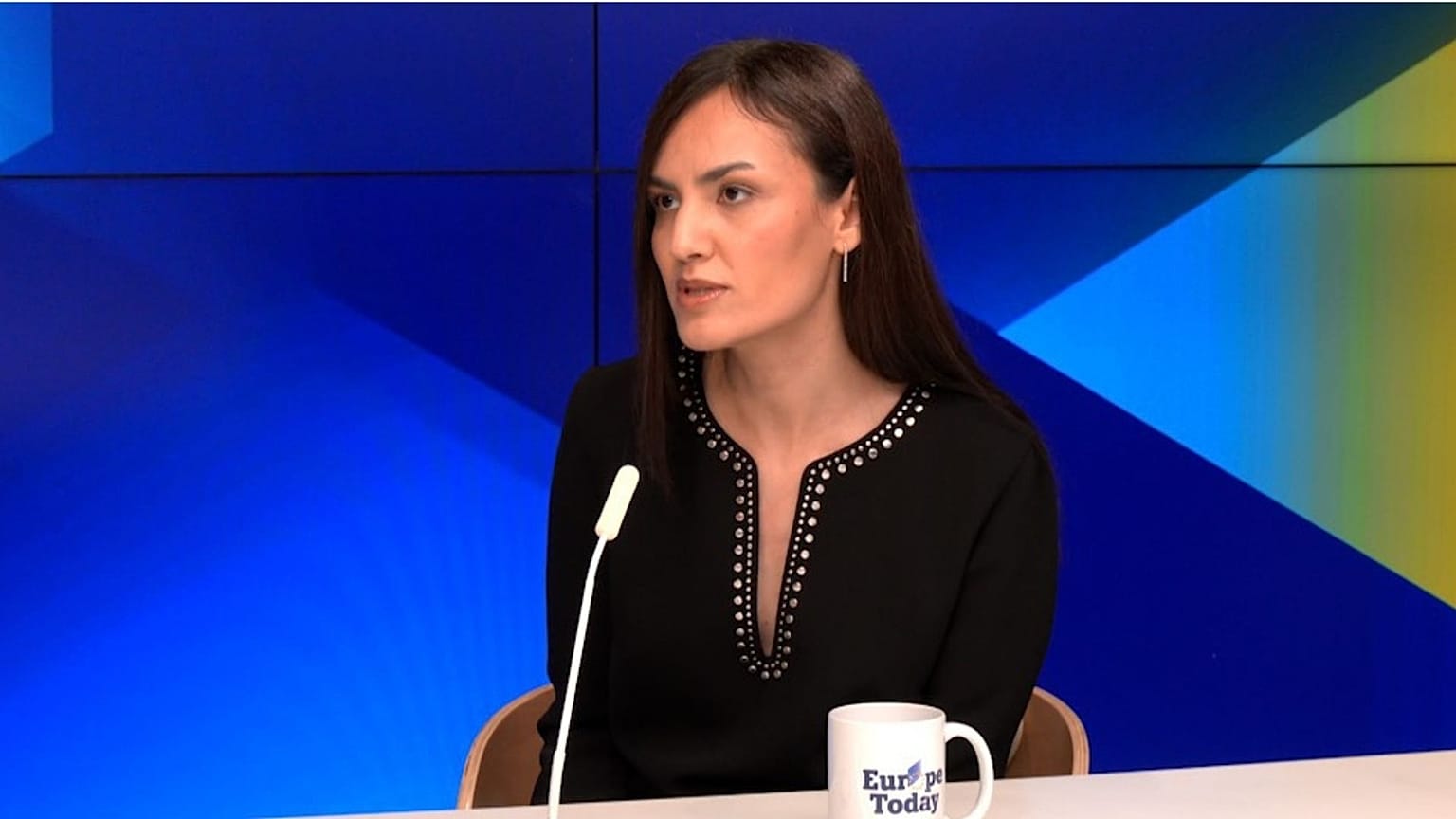














In an interview for Euronews' flagship morning show Europe Today, Iranian chess grandmaster Mitra Hejazipour urged international action over Iran’s deadly protest crackdown, backed Reza Pahlavi and warned US-Iran talks are a dead end.
Iranian chess grandmaster living in exile Mitra Hejazipour has called on international powers to help end the government's deadly crackdown on protesters, as casualty figures from the demonstrations continue to rise.
 ADVERTISEMENT
ADVERTISEMENT
ADVERTISEMENT
Hejazipour told Euronews' morning show Europe Today on Monday that protests that began in late December over economic collapse and have since evolved into demands for regime change were a “bloody massacre that killed more than 30,000 Iranians.”
Hejazipour said the Tehran regime was to blame for the "brutal repression" and described how military weapons were used with "snipers from rooftops" firing on protesters.
The grandmaster, who was expelled from Iran's national team in 2020 for removing her headscarf during a competition in Moscow, has become a vocal critic of the Islamic Republic from Paris, where she now lives.
She said she saw Crown Prince Reza Pahlavi, son of Iran's last shah, as "a legitimate leader for the transition phase" and a person who would "establish a democratic system in Iran.”
Negotiations a 'dead end situation'
Hejazipour believes democracy will not happen in Iran with the consent of the current regime and that negotiations with the leadership in Tehran cannot lead to a positive outcome.
Trying to reach a deal is a “dead-end situation,” according to Hejazipour, who said that“a majority of Iranians support a military intervention” to overthrow the government.
Without such intervention — proposed by US President Donald Trump — the regime “will continue to massacre the people,” Hejazipour added.
When asked about European responses, Hejazipour said: "I didn't see enough support in European countries."
Protests began on 28 December 2025, sparked by a currency collapse and persistent hyperinflation, but quickly turned into nationwide anti-regime demonstrations, prompting Tehran's violent crackdown and a complete information blockade.
Human rights organisations and insiders in Iran have reported that anywhere from 6,000 to 30,000 are feared killed in the suppression, although precise casualty figures remain difficult. Authorities have also detained tens of thousands across the country.
In mid-January, the US president urged Iranians to keep protesting, stating "help is on the way".
However, Trump has held off on an intervention following a restart in US-Iran talks and what Washington said was a pledge by Tehran to halt the crackdown, including any executions of arrested demonstrators.
Meanwhile, Washington has positioned its aircraft carrier USS Abraham Lincoln and accompanying naval and air forces in the Middle East, both to pressure Tehran and to maintain strike capability should Trump order military action.