































Emissions from dried peat are a major issue in the Irish Midlands. The Peatlands for Prosperity project is pioneering paludiculture, transforming carbon-producing land into a sustainable source of economic opportunity.
The Irish Midlands is a region defined by contradictions. Geographically, it is the heart of the island; a diverse landscape of lakes, rivers and vast peatlands. Demographically, it is one of the country’s youngest and fastest-growing regions, with nearly 50% of its population under 35. Yet, economically, it faces a profound crisis. For generations, the local economy relied on harvesting peat for fuel—a practice that produces a significant amount of CO2 emissions.
 ADVERTISEMENT
ADVERTISEMENT
ADVERTISEMENT
Now, a pioneering European project, Peatlands for Prosperity, is trying to help the region transition from its carbon-heavy past to a sustainable future. The challenge is not merely environmental; it is a battle to secure an economic lifeline for a rural population that cannot afford to be left behind.
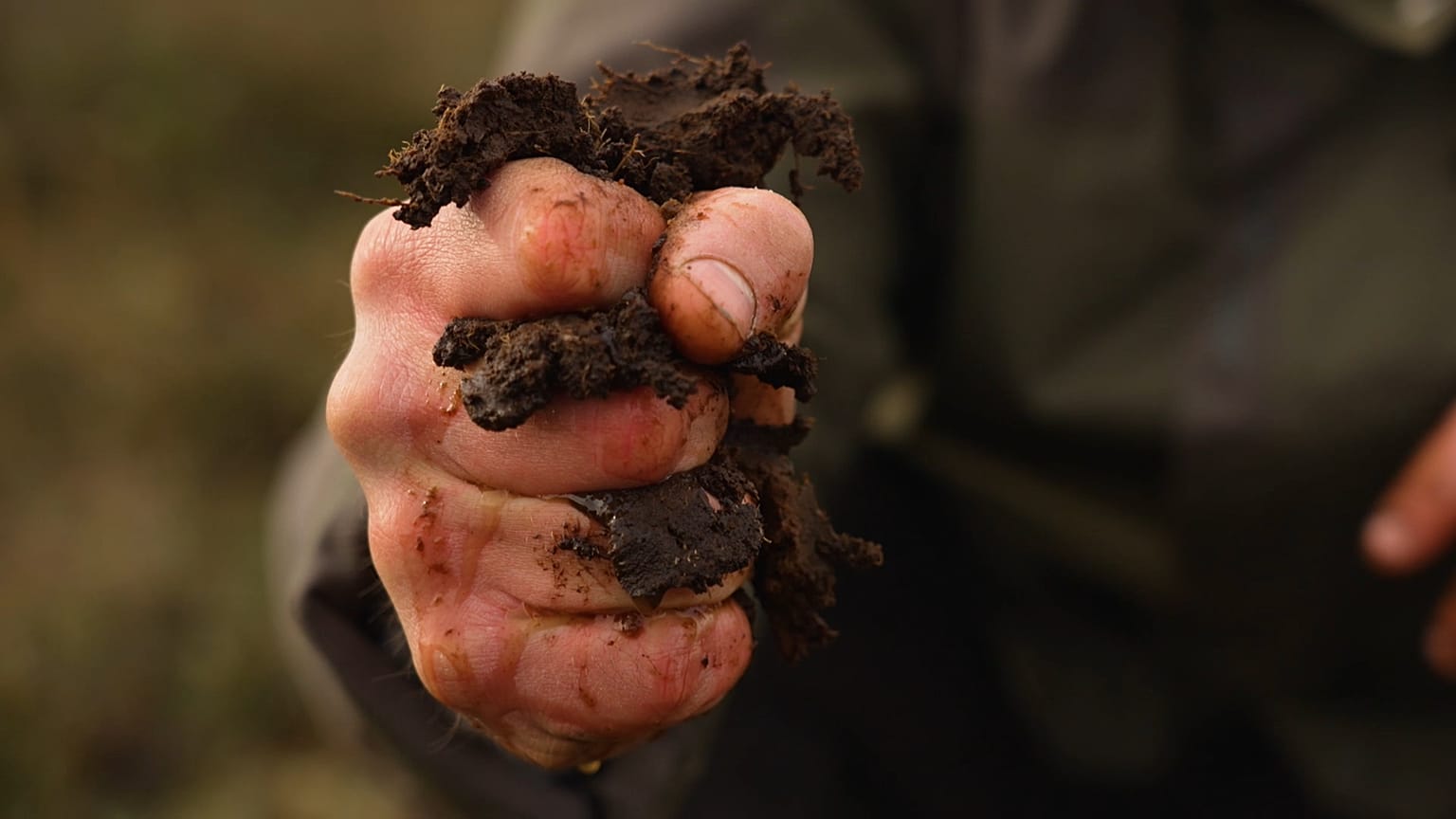
Peatlands cover over a fifth of Ireland’s landmass. For centuries, these lands were drained to facilitate turf cutting and conventional farming. Douglas McMillan, General Manager of Green Restoration Ireland, explains the invisible cost of this legacy: “Peat is all carbon. A healthy peatland is 98% water, so to do anything, you have to drain it and bring the moisture down to 80-85%. But of course, when you drain it, you expose that peat to oxygen, and you get very high emissions to the air. You can release up to 30 tonnes of CO2 per hectare per year.”
The solution proposed by the project is "paludiculture", which is farming on wet soils. By raising the water table to within 10-40 cm of the surface, oxidation stops and the land reverts from a carbon source to a carbon sink.
The Peatlands for Prosperity initiative is not a theoretical exercise; it is being stress-tested on two distinct sites in County Offaly, each serving a specific function.
The first is the Paludiculture Showroom at Donie Regan’s farm in Shinrone. Serving as the project's R&D centre, this site focuses on small-scale, high-value crop trials. Here, researchers are testing the viability of berries, specifically blueberries, cranberries, and chokeberries, alongside medicinal plants like bog myrtle and industrial crops like sphagnum moss.
The second site is Adrian Egan’s Landscape Farm in Ballinahown. It is a practical laboratory designed to prove commercial scalability. Because Peatlands for Prosperity primarily serves as a vital resource for local farmers making the ecological transition. Adrian hosts a monthly workshop to share test outcomes and provide attendees with the means to establish their new businesses. Or, as he says, “Peatlands for Prosperity is basically just teaching people that there are numerous ways of producing products from peatlands, also providing for biodiversity while producing something that you can use in the economy.”
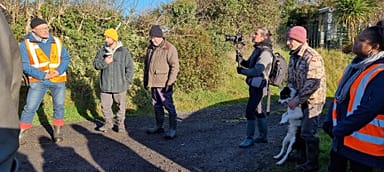
One of the participants, Peadar O’Laughlin, has already found a way to exploit what he has just learned: “From today's session, I've been considering maybe some bulrushes, a crop that could be used by thatchers. I will certainly read the literature that we got today and consider other plants as well,” he says.
The €300,000 project budget was jointly financed by the EU and the Irish government through the EU Just Transition Fund Programme, an instrument under the European Cohesion Policy that has so far supported over 170 projects across the wider Midlands region.
Managed by the Eastern and Midland Regional Assembly (EMRA), this funding is not a top-down directive from Brussels, but a "bottom-up" strategy involving local authorities in Laois, Longford, Offaly, and Westmeath. As Clare Bannon, Acting Director of EMRA, notes, “There are multiple projects that are going in tandem with this. We're trying to plant seeds so that the sustainability of these communities going forward is there and that they have a future here in the Midlands.”
Now the challenge is making a just transition possible, turning climate issues into opportunities for growth and prosperity.