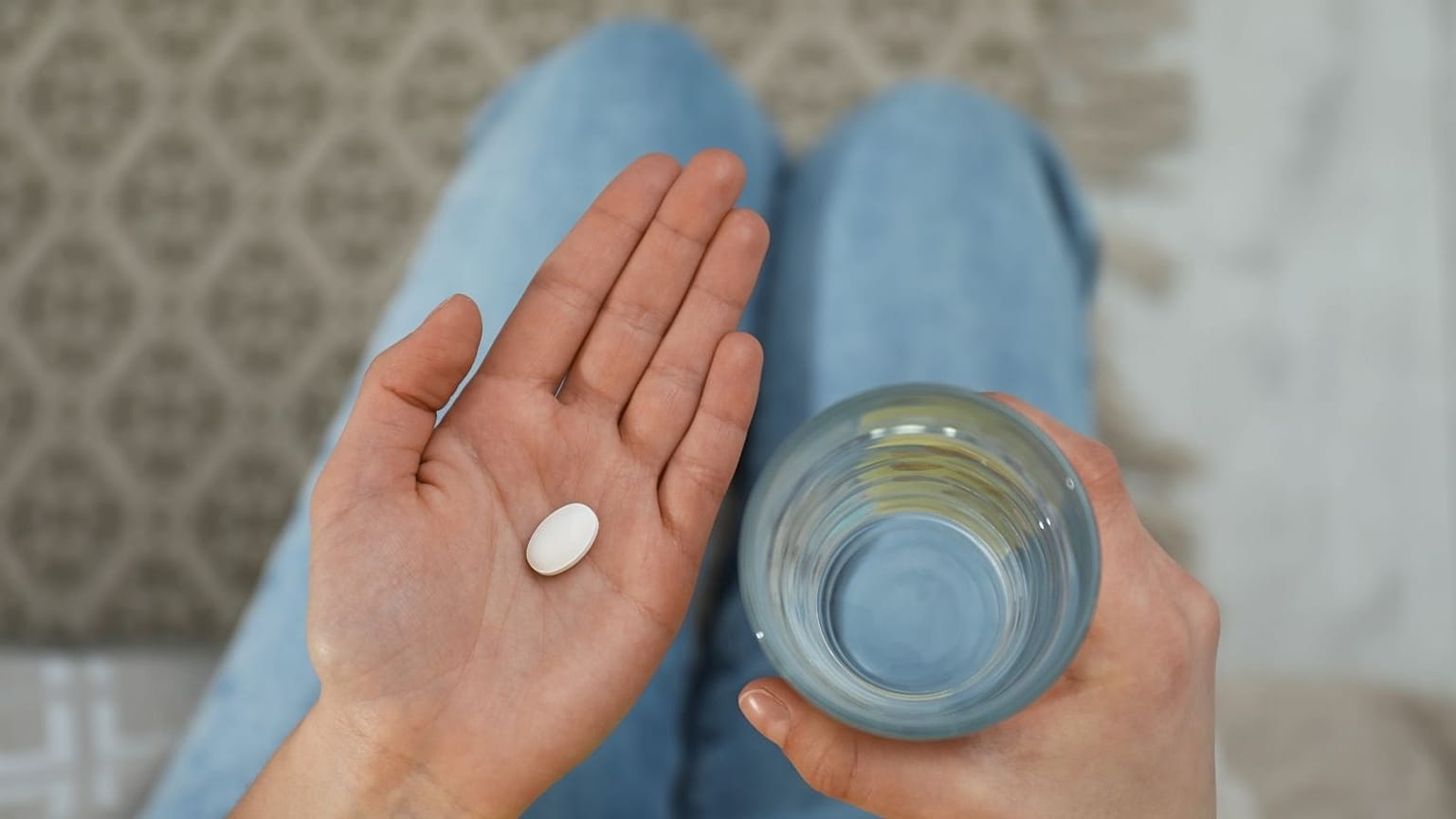













Health bodies across Europe are warning about the so-called “paracetamol challenge,” which encourages adolescents to ingest dangerous amounts of the medicine.
Health experts are warning against the paracetamol challenge, a social media trend that can endanger people’s health. But what is it exactly, and does it really exist?
 ADVERTISEMENT
ADVERTISEMENT
ADVERTISEMENT
Across Europe, health authorities have sounded the alarm over reports of adolescents allegedly competing online to see who can ingest the largest amount of paracetamol.
References to this challenge date back to 2015. Yet, searching for “paracetamol challenge” on TikTok reveals little evidence of people actually taking part in the trend. Most of the content related to the topic comes from health professionals or news accounts warning against it.
But in Belgium, the Hospital Centre EpiCURA confirmed to Euronews Health that it had treated three patients in February for paracetamol overdose after having participated in the social media challenge.
The Belgian Federal Agency for Medicines and Health Products issued a warning on 6 February about the risk of overdose. The agency said that there is no psychotropic effect associated with taking paracetamol, even at high doses.
Other countries have reported a trend in overdose cases.
“Talk to your children, guide them in their use of technology, and stay alert for warning signs such as vomiting, abdominal pain, or excessive drowsiness,” Silvia Oliva, a pediatric nurse at the Hospital Regional Universitario de Málaga, Spain, said on a hospital’s social media post.
Piia Vuorela, director of the Finnish Medicines Agency, noted the importance for young people to understand the risks associated with medicines and called for adults to discuss these dangers with young children in an official communication from the agency.
In Portugal, the Order of Pharmacists warned that these practices pose a "serious health risk," and emphasised that the toxicity of paracetamol can manifest itself before clinical symptoms appear.
"Overdose can cause severe and irreversible liver damage, which can progress to acute liver failure, the need for liver transplantation and, in extreme cases, death. In less frequent cases, kidney damage can also occur, especially in connection with prolonged use and/or excessive ingestion," reads the statement (source in Portuguese).
Recommended daily dose of paracetamol
Adults should not exceed a daily dose of 4 grams, and can take between 500 mg and 1g every 4-6 hours. The recommended daily dose for children is calculated based on their weight, but as a rule, 60 milligrams per kilo is recommended. Parents can use verified online simulators to get a better idea of the dose to give their children.
The first symptoms of intoxication include nausea, vomiting, sweating, and lethargy. These symptoms usually appear within the first 24 hours. There may also be abdominal pain and other serious complications as liver damage progresses. In the event of a suspected overdose, it is crucial to seek immediate medical attention.
Paracetamol is one of the most widely used drugs to treat symptoms of pain and fever, due to its analgesic and antipyretic action. This drug is accessible to anyone and, when administered according to the recommendations of the health authorities, is usually safe.