





























At a recent Macao tourism event in London, the city’s attractions, culture, and gastronomy and latest offerings were showcased to guests.
In Macao, it’s possible to step from a centuries-old Chinese temple into a pastel-coloured Portuguese square within minutes.
 ADVERTISEMENT
ADVERTISEMENT
ADVERTISEMENT
Cobbled streets lead past Catholic churches, incense-filled shrines and colonial buildings, while modern resorts and entertainment complexes rise just beyond the historic skyline.
Few places capture the meeting of East and West quite like this small city on China’s southern coast.
"Macao has always been a very special destination because it combines the best of both the eastern and the western world," said Maria Helena de Senna Fernandes, the director of the Macao Government Tourism Office, at an event highlighting Macao's latest tourism offerings in London.
"When Portuguese sailors came from Portugal, they passed through Africa, through India, and then eventually Southeast Asia… before eventually settling in Macao,” she explained. "Almost 500 years of exchange between the Portuguese and the Chinese resulted in a lot of very good food, and very iconic buildings."
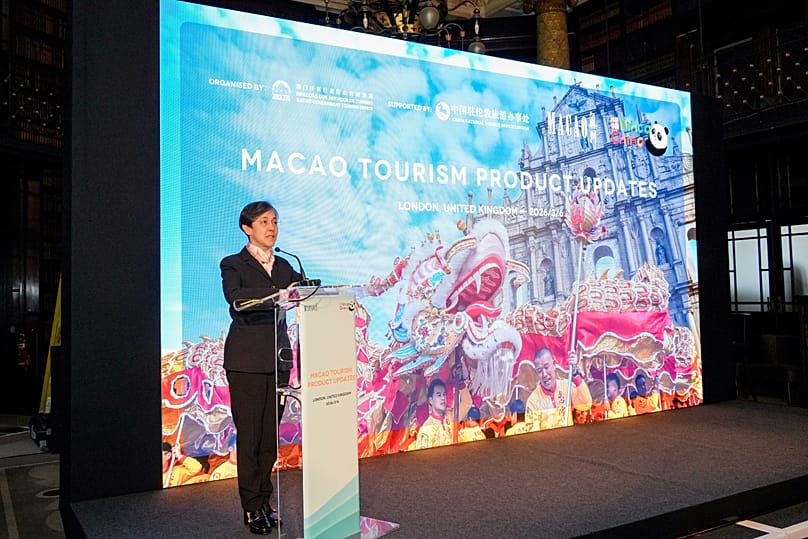
The special event, held at London's Royal Horseguards Hotel, showcased the city's vibrant culture and newest travel offerings. Guests sampled signature cocktails and enjoyed insights from artists like Filipe Dores and Pal Lok Chok on Macao’s rich cultural heritage.
UK content creator Harry Jaggard also shared his first-hand experiences travelling the region, just as visa-free travel for UK citizens makes multi-destination trips easier than ever.
A small destination with big experiences
Despite its international character, Macao is a remarkably compact place. "Macao is a very, very small destination," Fernandes said. "Right now we are 33 km² in size altogether."
Located in southern China within the Greater Bay Area alongside Hong Kong and Guangdong, the city is also relatively easy to reach. Travellers arriving at Hong Kong International Airport can cross the Hong Kong-Macao Bridge and reach the destination in about an hour.
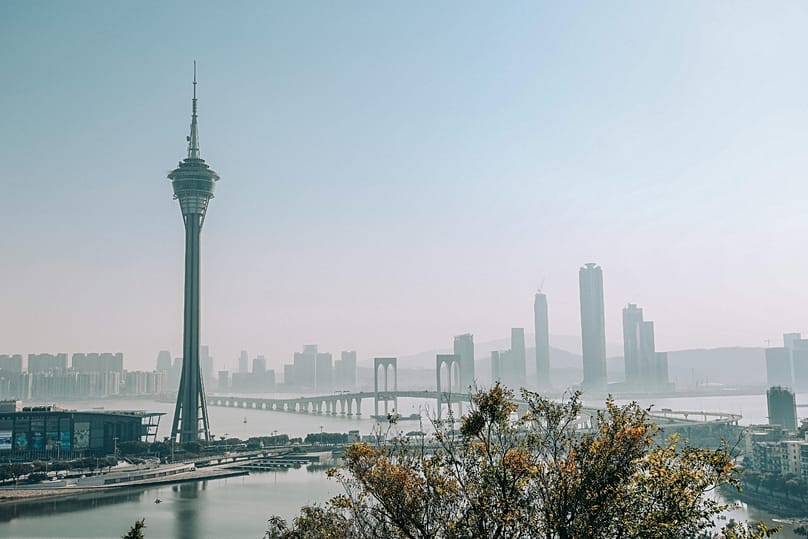
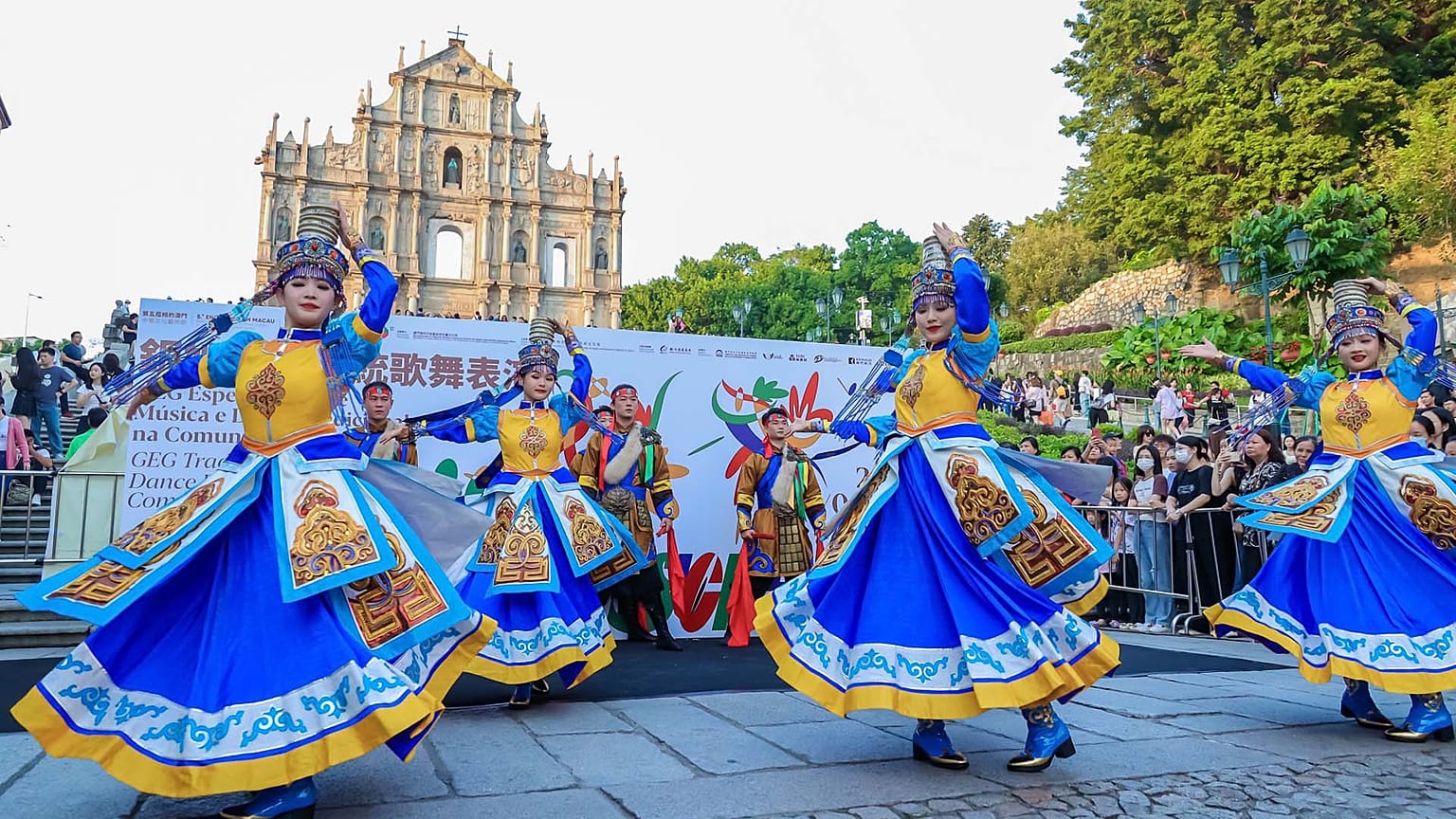
Yet within this small area lies a remarkable concentration of heritage. The Historic Centre of Macao – a district spanning more than 20 buildings, squares, churches and temples – has been listed as a UNESCO World Heritage Site since 2005.
Festivals and celebrations all year
For visitors, one of Macao’s biggest draws is its busy calendar of events.
“Festivities – either traditional ones or newly created events – play a very big role,” Fernandes said. "It’s such a small destination, so we need to find reasons for people to come back to Macao every now and then."
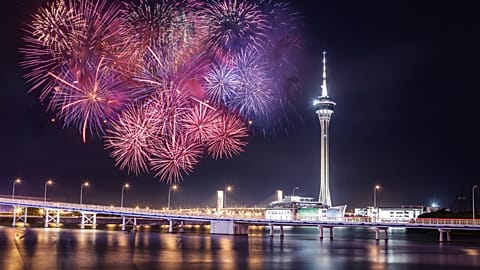
The year begins with vibrant Chinese New Year celebrations, when dragon parades, performances and fireworks take over the streets. Later in the year, music festivals, gastronomy events and international fireworks competitions bring crowds to the city. In November, racing fans will descend on Macao for the legendary Macao Grand Prix.
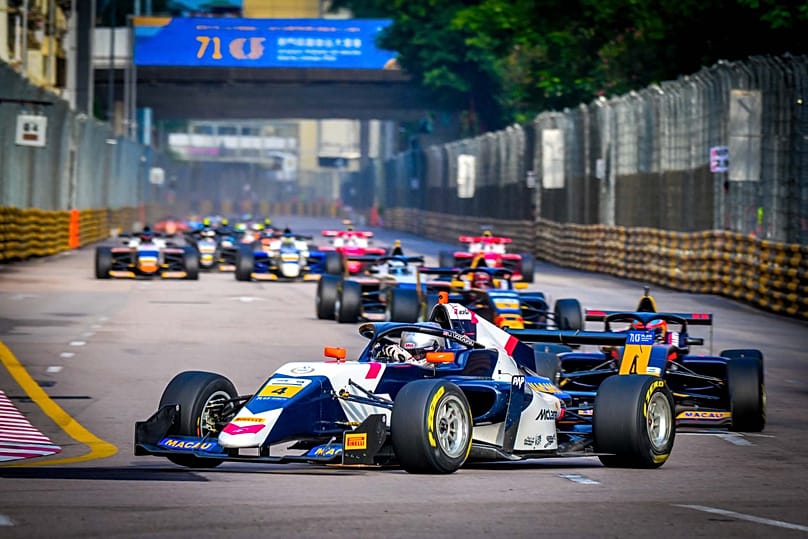
The city also hosts annual arts and music festivals, such as Art Macao, adding to a programme that stretches across the entire year. "I would say it’s definitely of an all-year-round destination," Fernandes said.
From historic streets to modern resorts
While Macao's historic centre preserves centuries of history, the destination has also undergone dramatic change over the past two decades.
In 1999, when Macao returned to China, the city had around 9,000 hotel rooms. Today, that figure has grown to roughly 47,000.
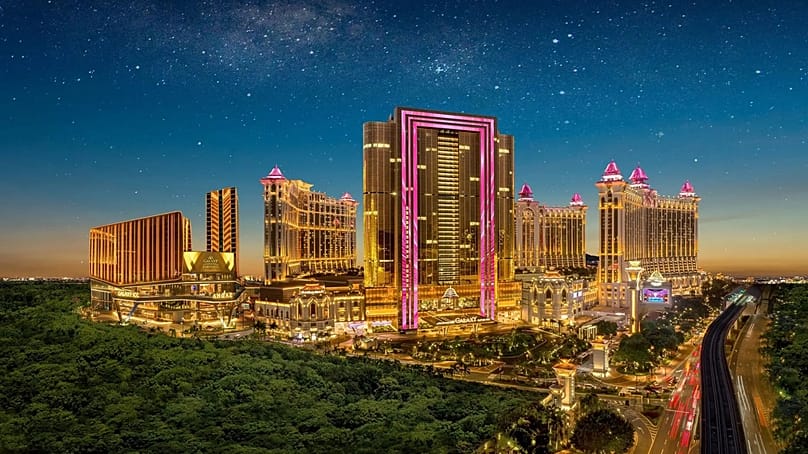
New districts such as Cotai – built on reclaimed land between the islands of Taipa and Coloane – have become hubs of large-scale resorts, entertainment venues and attractions.
"We also have resident shows like House of Dancing Water or Macao 2049, where you can see robots dancing," Fernandes said.
Family-friendly attractions have expanded too, with indoor and outdoor water parks, interactive experiences and entertainment complexes joining the city’s growing list of things to do.
Fernandes also suggests venturing beyond the main tourist districts as well: "Places like Taipa Village and Coloane Village… have their own little culture and villages where you can find good delicacies and snacks. You can also experience a more tranquil side of Macao outside of the hustle and bustle."
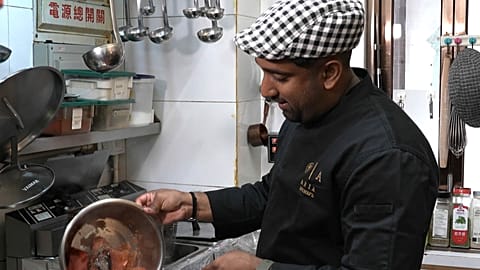
Food is another major draw. As Fernandes explained: "We have what we call Macanese cuisine, which resulted from all the spices and ingredients picked up by Portuguese sailors before coming to Macao, and eventually having them all combined there."
Traditional dishes such as Pato de Cabidela (duck stewed in red wine) and tacho (a hearty winter stew) can be sampled in small local restaurants across the city, alongside Michelin-recognised restaurants and a wide range of international cuisine.
Growing interest from British travellers
Interest in Macao appears to be growing again as international travel continues to rebound from the COVID-19 pandemic. Speaking to Euronews Travel at the event, Zhang Li, director of the China National Tourist Office in London, said curiosity about China is increasing among British travellers.
“In recent years there are encouraging signs that more and more British tourists… are showing curiosity about visiting China, including Macao,” he said. "After the pandemic, with the recovery of international travel since last year, we are seeing more interest again."
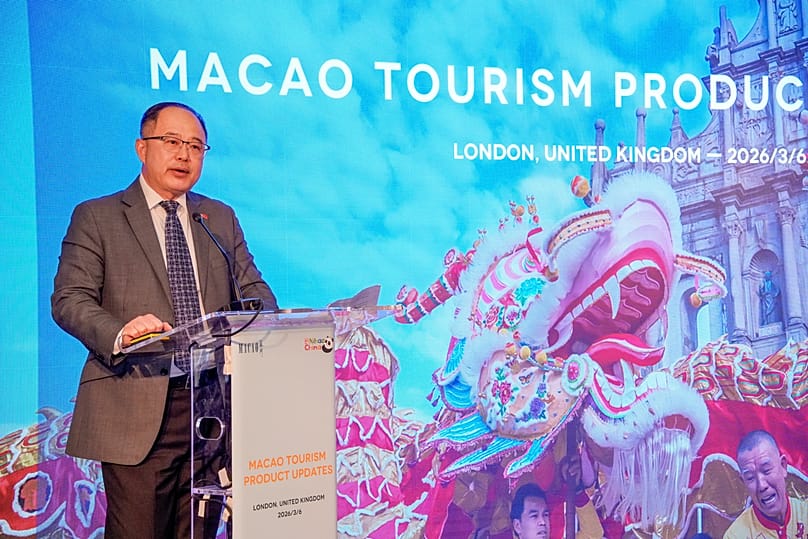
"More and more tourists from Europe are asking for more authentic, more immersive travel experiences in China,” Zhang added. "They want to see not only nature and landscapes – they want to know more about the culture, the people, the heritage and also the lifestyle."
Ultimately, he believes travel itself plays an important role in helping people understand one another. "Travel is actually one of the best and most direct ways for people to understand each other’s cultures," he said.
“In China there is a very popular saying about travel: to be truly educated, you should not only read a thousand books – you should also travel a thousand miles."