

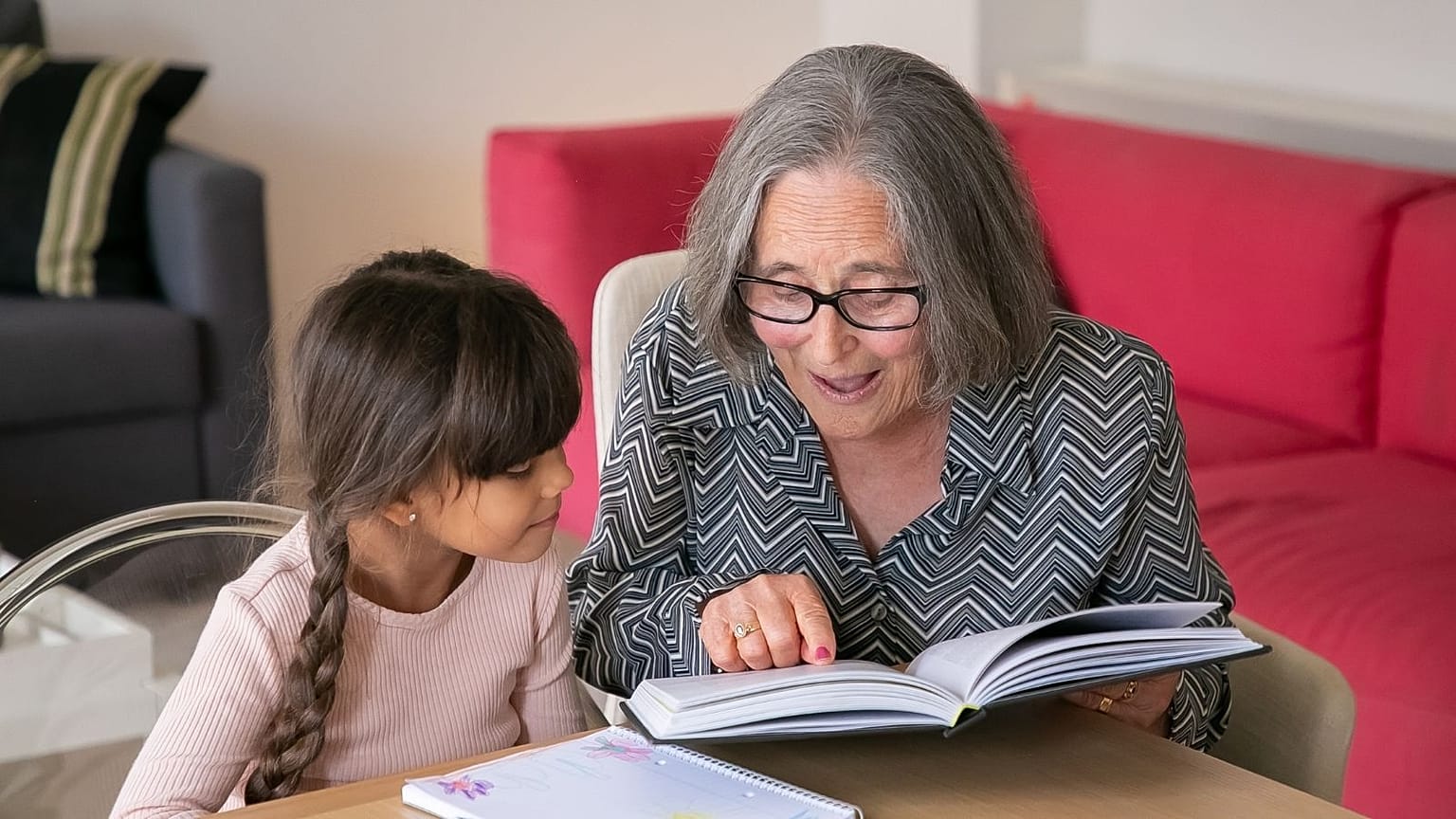













Caring for grandchildren boosts older adults’ brain health, especially protecting grandmothers from memory and eloquence decline over time.
Looking after grandchildren could help protect older people from cognitive decline, a new study has found.
 ADVERTISEMENT
ADVERTISEMENT
ADVERTISEMENT
It is common for grandparents to help with homework, prepare meals, or take grandchildren to the park or school.
A new study, published by the American Psychological Association, has found that these simple activities, and regularly taking care of their grandchildren, may help older people have better verbal fluency and episodic memory – the memory that recalls personal past events.
“What stood out most to us was that being a caregiving grandparent seemed to matter more for cognitive functioning than how often grandparents provided care or what exactly they did with their grandchildren,” said Flavia Chereches, from Tilburg University in the Netherlands and lead researcher of the study.
The study looked at 2,887 grandparents over the age of 50 and with a mean age of 67. All of them were cognitively healthy during the study period and were living independently.
Participants answered survey questions and completed cognitive tests three times between 2016 and 2022.
They were asked how often they take care of their grandchildren without the children’s parents present, and when they typically offer care – during school holidays, weekends, weekdays, throughout the whole year.
Around 56 percent of the participants said they act as caregivers over the entire year.
Researchers highlighted that understanding specific activities, not only frequency, is key. Playing games or helping with homework seemed to be linked to better verbal fluency and better episodic memory.
Grandparents who often collected children from school also showed higher verbal fluency.
Is it the same case for men and women?
Grandmothers take care of children more often than grandfathers, and benefits seem to last longer for women.
Caregiving grandmothers had sharper memory and better verbal skills at the beginning of the study, with this fading more slowly than in grandmothers who didn’t look after grandkids.
However, men who take care of their grandchildren, also started the study with better skills than those who don’t, but declined at the same rate as non-caregivers.
Researchers noted that grandmothers interact differently with their grandchildren. They are usually more involved in physical and emotional care, while grandfathers are reported to mainly engage in leisure activities.
The study authors noted that further work should also be done to explore the effects of family context and other variables.
“Providing care voluntarily, within a supportive family environment, may have different effects for grandparents than caregiving in a more stressful environment where they feel unsupported or feel that the caregiving is not voluntary or a burden, ” Chereches said.