

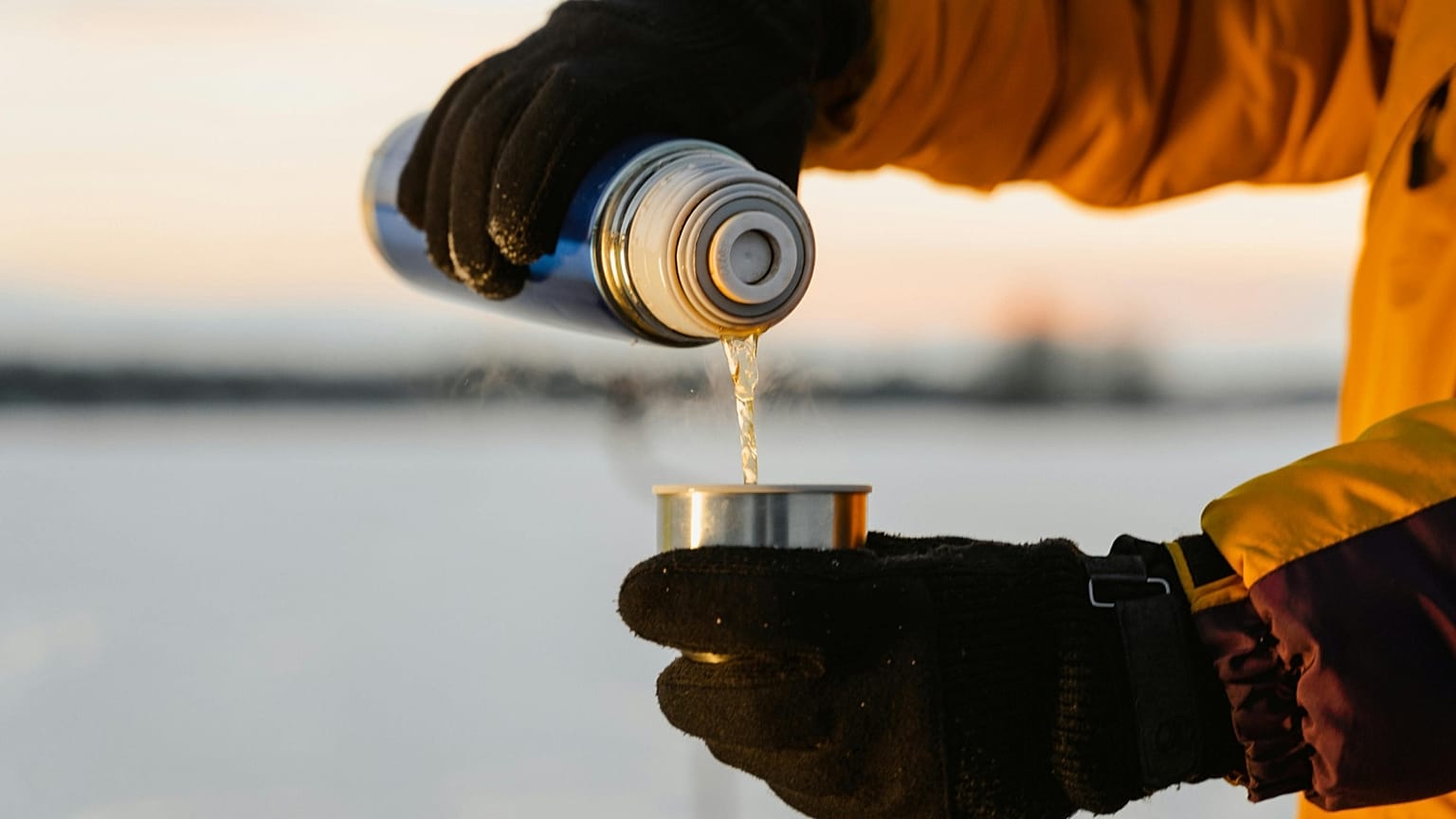













Health experts warn that dehydration is often overlooked in winter, increasing the risk of fatigue, brain fog and more serious kidney problems.
Staying hydrated can be surprisingly difficult during the winter months, but health experts say it is just as important - if not more so - than in summer.
 ADVERTISEMENT
ADVERTISEMENT
ADVERTISEMENT
Yadira Santiago Banuelos, a clinical assistant professor and practising family nurse practitioner at Purdue University’s School of Nursing, says hydration plays a key role in everything from skin health to immunity when temperatures drop.
"When we're well hydrated on the inside, we're also better hydrated on the outside, helping with dry skin,” Banuelos said. "It also helps lubricate between our joints, which we definitely want when we're out shovelling snow."
Hydration also supports the immune system during peak cold and flu season. "It helps provide kind of that moist mucous membrane layer that helps prevent viruses, bacteria, things like that throughout the winter," she added.
Why winter dehydration can be easy to miss
Banuelos says people often underestimate their risk of dehydration in colder months.
"Typically over the winter, we don't really associate those months nearly as much with dehydration," she said. "So we aren't actively thinking about drinking enough water during those months."
At the same time, the body’s thirst response becomes weaker. "Our thirst receptors actually go down about 40 per cent," Banuelos explained, meaning people may already be dehydrated by the time they feel thirsty.
Cold weather also contributes in less obvious ways. Dry air pulls moisture from the skin, people urinate more frequently in winter, and sweat still occurs - even if it is less noticeable.
"We still sweat, but oftentimes we don't notice it as much because it tends to evaporate a lot quicker with the cold," she said.
What are the health risks of dehydration?
According to Banuelos, dehydration can cause a wide range of symptoms, depending on how severe it becomes, including dizziness, dry skin, chapped lips, feeling faint and foggy, and fatigue.
More prolonged dehydration can be much more serious. "It can definitely increase more severe side effects as well, including issues with our kidneys, like kidney failure, increased risk of kidney stones."
How much water do you actually need?
The common advice to drink eight cups of water a day may not be enough for everyone.
"Men typically will need approximately more, like 13 cups or 104oz (around 3 litres) of water a day," Banuelos said. "And women need more of kind of an average of about nine cups or 72oz (around 2 litres) of water per day."
Needs can increase during pregnancy or breastfeeding, when women may require similar intake levels to men.