




























One of the world’s most iconic migrations is at risk, as rising temperatures alter the quality of vital flower nectar.
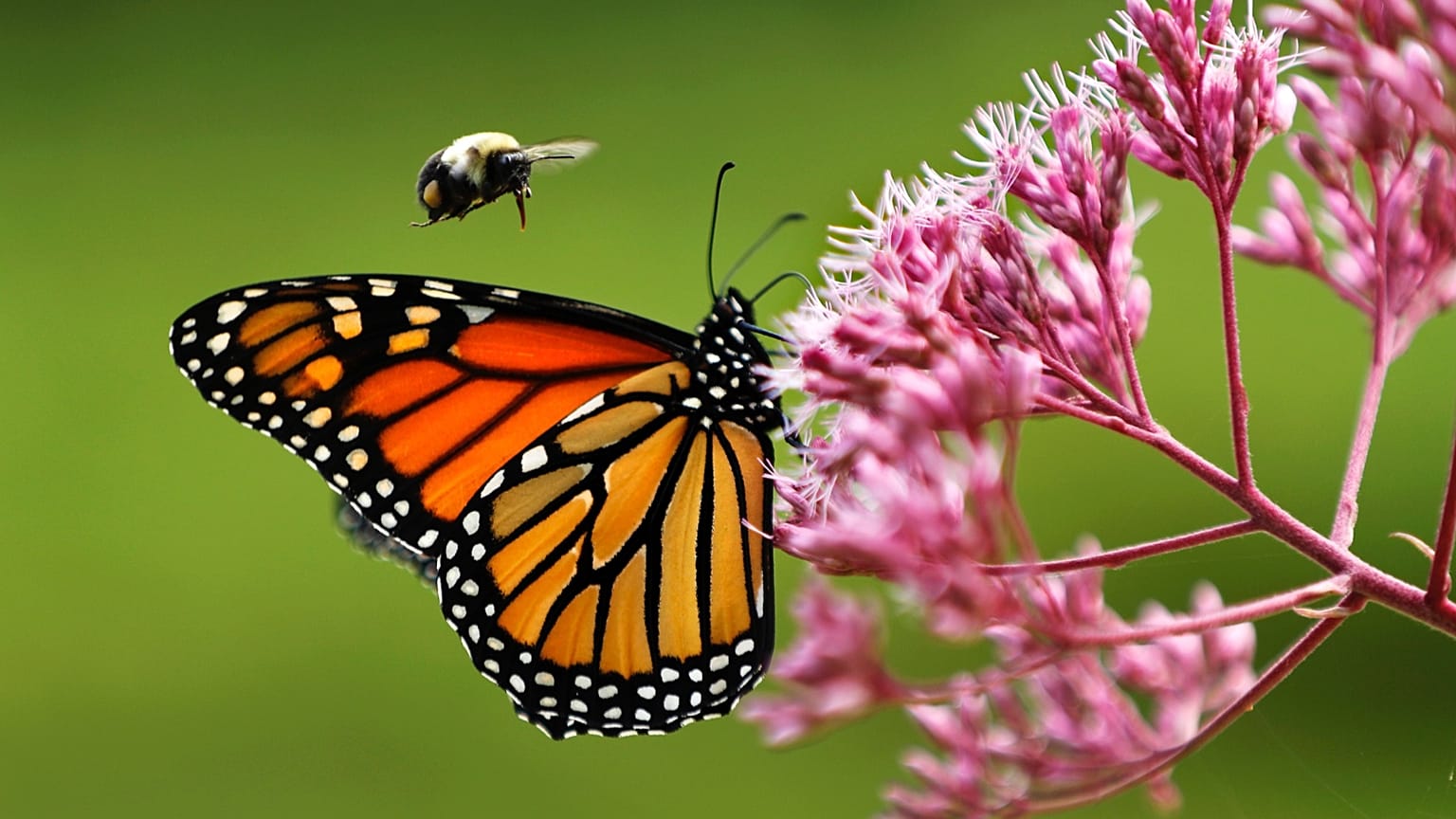
Every autumn, millions of monarch butterflies embark on a treacherous journey - flying more than 3,000 km from Canadian fields all the way to Mexico’s mountain forests for the winter.
 ADVERTISEMENT
ADVERTISEMENT
ADVERTISEMENT
It’s a migration that attracts swathes of tourists, as crowds gather across America to marvel at the distinctively orange insects filling the sky. At the end of winter, these butterflies fly north to the US where they lay eggs on milkweed plants.
For years, the monarch butterfly has shown resilience amid the growing threat of climate change. Despite being the size of a large paperclip, they have managed to survive through habitat loss, extreme weather and the growing use of pesticides.
But now, there’s a new snag in their epic trek - and it’s all down to flower nectar.
How climate change is impacting flower nectar
Back in the summer of 2023, a team of scientists from the University of Ottawa started looking at the plants monarchs depend on during their migration.
Published in the journal Global Change Biology Communications, the study found that a tiny increase in temperature (0.6℃) was enough to lower the quality of the nectar that these plants produced. Monarchs that fed on these “warmed” blooms built up around a quarter less body fat than their counterparts.
“It’s the warming that is making the nectar less nutritious,” says Professor Heather Kharouba, who led the experiment.
“Even though the butterflies could eat as much as they wanted, they couldn’t make up for the lower-quality nectar.”
The study found that as temperatures warmed, late-season flowers produced less nectar, and what they did produce was lower in sugar.
‘A wake-up call’ to protect the monarch butterfly
Scientists and conservationists have long expressed concern about the future of monarchs, but this study uncovers a more subtle risk.
“We’re seeing that climate change can hit pollinators indirectly, by degrading the resources they count on,” adds Kharouba.
“I believe the findings are a wake-up call for anyone working to protect these butterflies and, really, for anyone planting a garden or maintaining a park as the planet heats up.”
The study has been used as the focus of a new exhibition titled Flutterings: Monarchs and Climate Change.
Curated by Canadian visual artist Valérie Chartrand, it hopes to spark new conversations about how we care for creatures around us and demonstrate how art-science collaborations can “deepen public understanding of complex environmental issues”.