

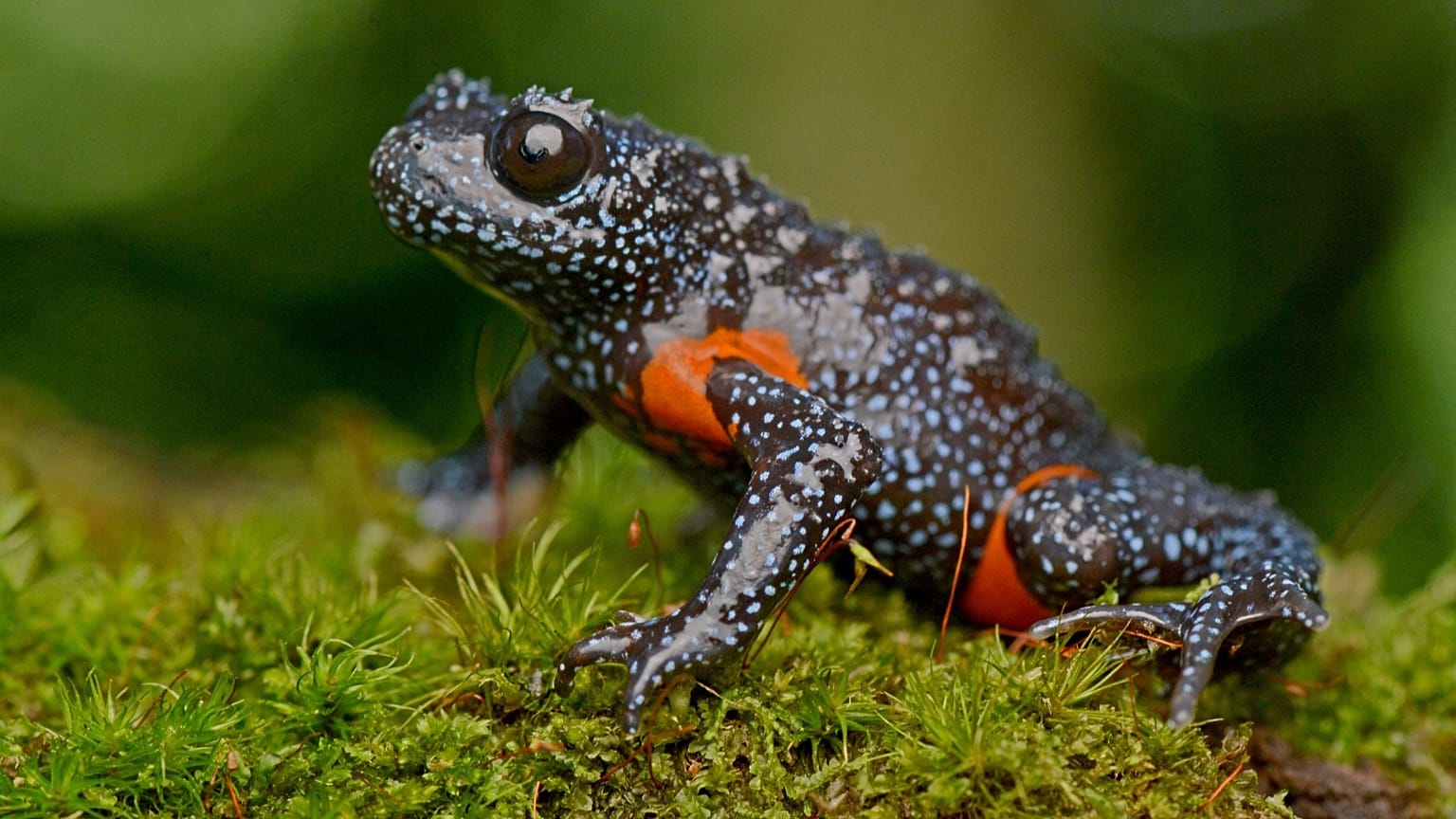













Scientists warn that the desire to photograph the rare galaxy frogs could be behind their mysterious disappearance.
A group of endangered galaxy frogs, famed for their striking blue speckles and bright orange patterning, is presumed dead after disappearing from their natural habitat.
 ADVERTISEMENT
ADVERTISEMENT
ADVERTISEMENT
Back in 2020, around seven of the tiny frogs – which grow to just 3.5cm long – were discovered living beneath rotting logs on the forest floorin the Western Ghats, India.
However, upon returning to the site between August 2021 and May 2022, researchers discovered that the logs had been overturned, the surrounding vegetation had been trampled, and all the frogs had vanished. Evidence suggests that wildlife photographers might be to blame.
Why are galaxy frogs risking extinction?
The elusive amphibians have long been listed as endangered on the International Union for Conservation of Nature’s (IUCN) Red List due to the destruction of lush forests and their conversion into agricultural land for crops such as coffee and tea.
In fact, galaxy frogs are classified as an Evolutionarily Distinct and Globally Endangered (EDGE) species, a group containing the world’s most unique species at risk of being lost forever.
However, a new report published in Herpetology Notes sheds light on how wildlife photography may also be pushing the species towards extinction.
Researchers spoke to an anonymous informant who claims that several groups of photographers visited the area between June 2020 and April 2021. They say cameramen flipped over logs and used the flash setting to secure clear images of the frogs, which can dehydrate the animals and cause them stress.
Multiple photographers allegedly handled the frogs without gloves, increasing the chance of diseases being passed between them.
A ‘stark’ warning to wildlife photographers
Dr Rajkumar K.P., lead author on the paper, says the findings are a “stark warning for the consequences of unregulated photography”, arguing that wildlife photographers need to make sure their snaps don’t inadvertently contribute to the frogs’ decline.
“Without careful and responsible management, we risk them disappearing off the face of the planet for good,” he adds.
“It would be a tragic irony if a drive to capture their likeness on camera today turned them into a thing of the past.”
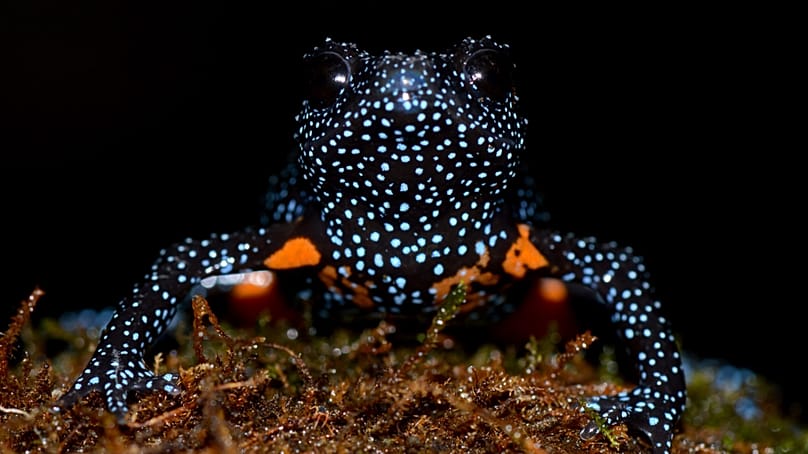
Co-author Dr Benjamin Tapley acknowledges the benefit that wildlife photography can have on endangered species, which is often used as a tool to boost conservation efforts.
“While we want to encourage people to get out there and appreciate all the incredible life that we share this planet with, it’s essential they do so respectfully so as not to cause further damage,” he says.
Researchers are now calling for a code of ethical field practice for wildlife photographers to follow, with the ability to issue fines for those who violate the standards. They have also highlighted the importance of training to ensure that licensed guides are aware of correct practices.