





























The structure consisted of two wooden posts that aligned precisely with the summer sunrise and winter sunset, suggesting ancient Britons were already tracking the Sun before the creation of Stonehenge.
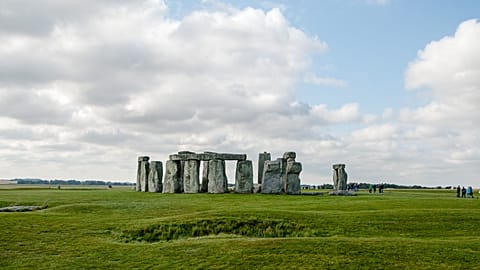
Archaeologists have discovered a structure near the iconic prehistoric stone circle of Stonehenge in southern England that may have served as a “prototype” for the 5,000-year-old Neolithic monument.
 ADVERTISEMENT
ADVERTISEMENT
ADVERTISEMENT
A team from the British firm Wessex Archaeology said the structure would have consisted of two wooden poles 120 metres (394 feet) apart and aligned to point directly at the rising sun during the summer solstice and the setting sun at the winter solstice.
Based on the depth of the postholes, researchers estimate the wooden poles stood between three and four metres high.
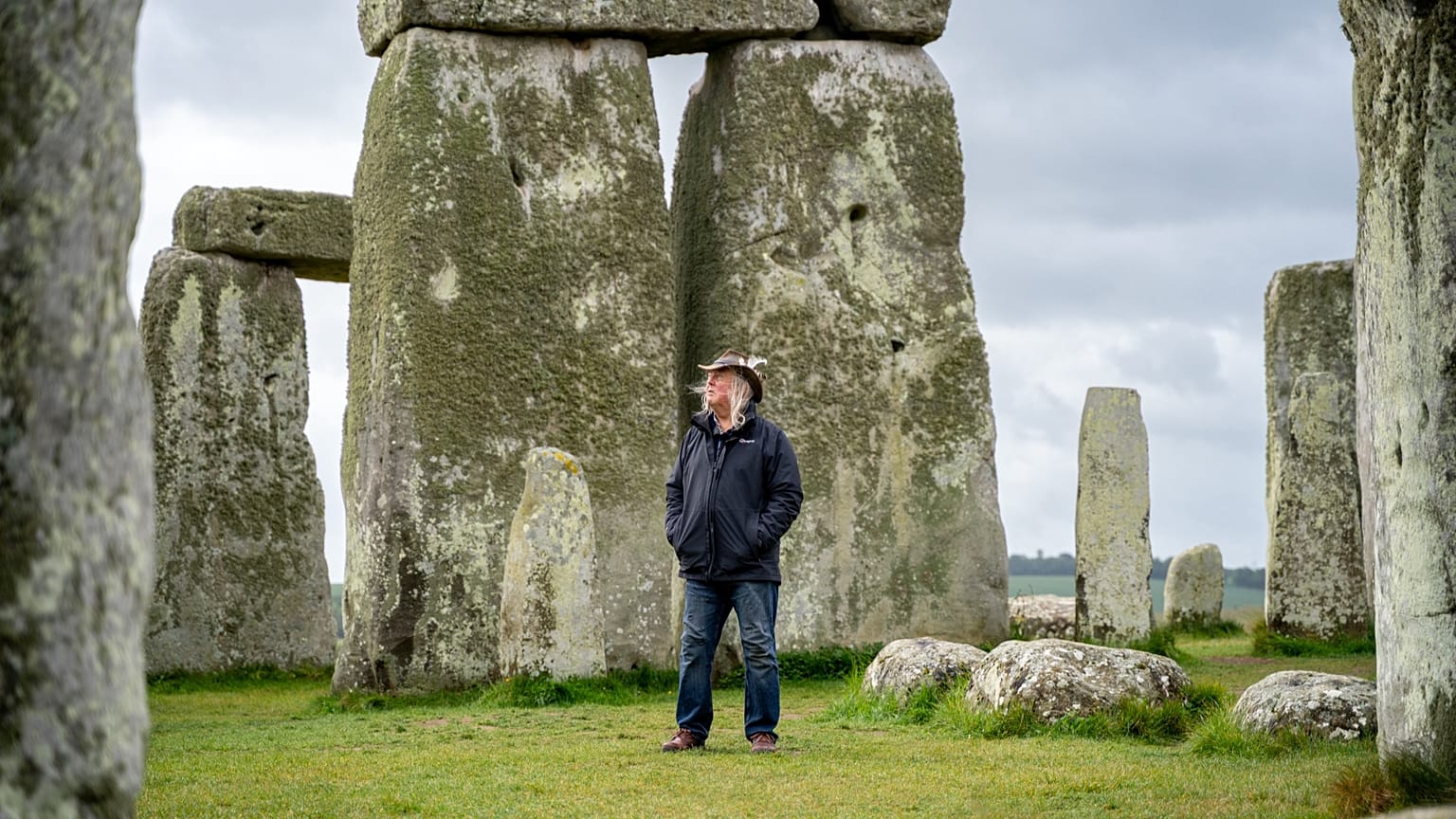
The team was led by archaeologist Phil Harding, who is well known in the UK through his many years of excavations for Channel 4 TV series “Time Team.”
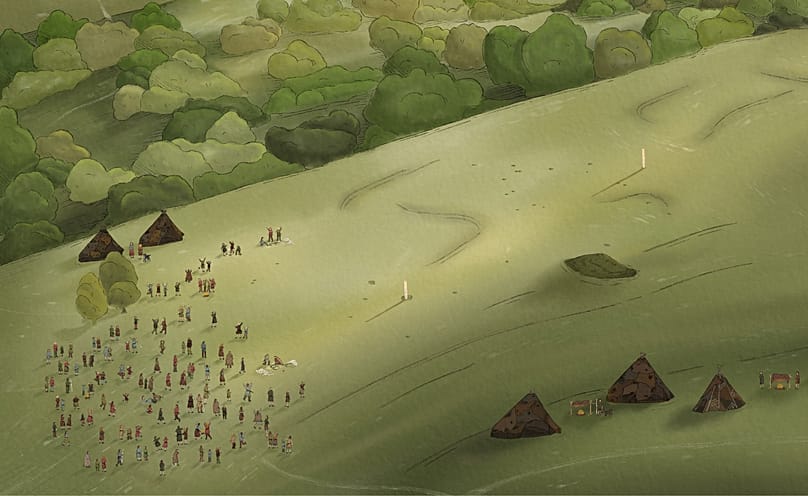
Harding said the site was likely to have been a focus for major religious gatherings, predating Stonehenge by around 500 years.
Among the finds were pottery, animal bones and tools, including a rare disc-shaped flint knife, which researchers believe may have held symbolic meaning linked to the Sun.
"Opportunities like this probably only come once in a career, in a lifetime," Harding said. "I’m probably towards the end of my career now, but thank God I’m still in archaeology long enough to be part of this discovery, because it’s certainly the highlight of my career."
The findings were released ahead of the summer solstice, which falls this year on Sunday, when thousands head to Stonehenge each year to celebrate the longest day of the year in the Northern Hemisphere.
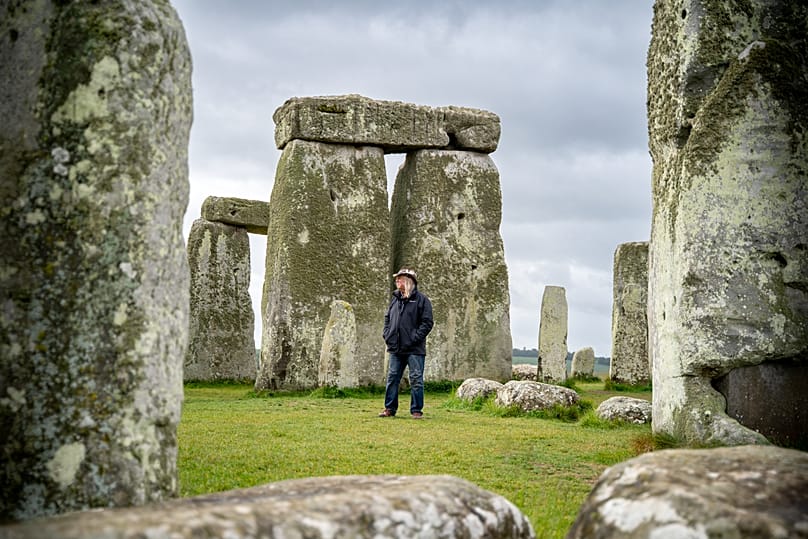
Built in stages from around 3000 BC on the flat expanse of Salisbury Plain, Stonehenge is one of Britain's most visited sites and a UNESCO World Heritage Site.
Its exact purpose remains debated - theories range from solar temple to healing sanctuary to astronomical calculator - though its alignment with the solstices is the most widely accepted interpretation.
The original excavation at Bulford took place between 2015 and 2017, with years of subsequent analysis before the results could be published.
The dig was carried out as part of a broader archaeological survey tied to the Ministry of Defence's programme to rehouse troops returning from Germany, where the British Army maintained a large presence for decades. Bulford itself is home to a military barracks.
Large crowds are expected to gather at Stonehenge this Sunday to mark the summer solstice.