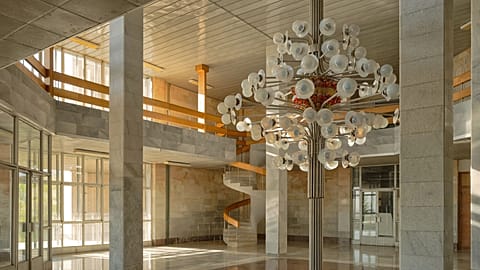
















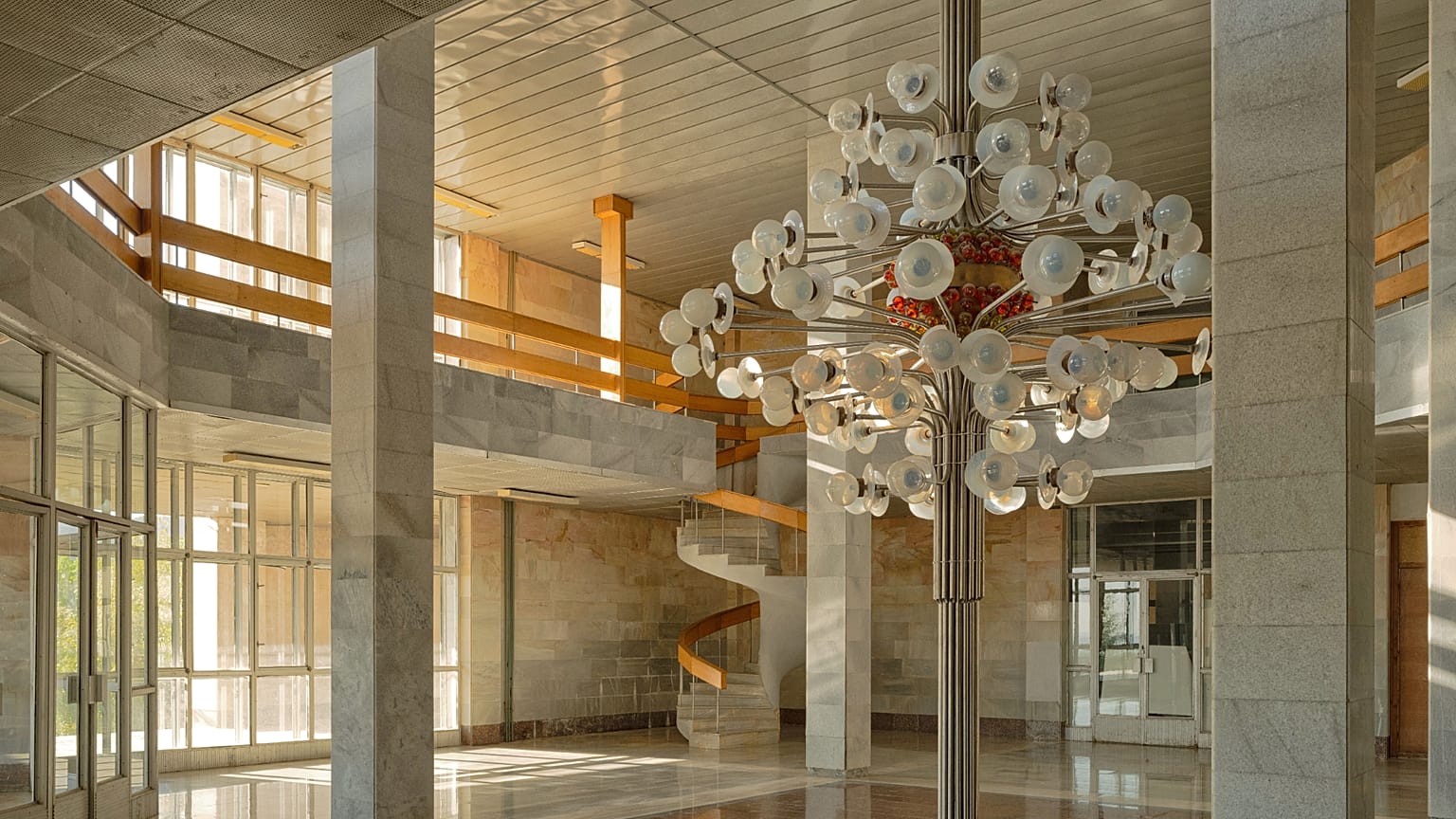













The listing covers ten buildings and complexes from the 1960s to the early 1990s, recognising how modernist design was adapted to Central Asian traditions, climate and urban life.
A group of ten modernist buildings and urban complexes associated with the transformation of Tashkent has been inscribed on the UNESCO World Heritage List, bringing international recognition to a distinctive period of Central Asian architectural history.
 ADVERTISEMENT
ADVERTISEMENT
ADVERTISEMENT
Officially titled “Tashkent Modernist Architecture: Modernity and Tradition in Central Asia,” the serial property includes structures built between the 1960s and the early 1990s.
UNESCO describes the ensemble as an example of how international modernist architecture was adapted to local cultural traditions, climatic conditions and the seismic risks facing the Uzbek capital.
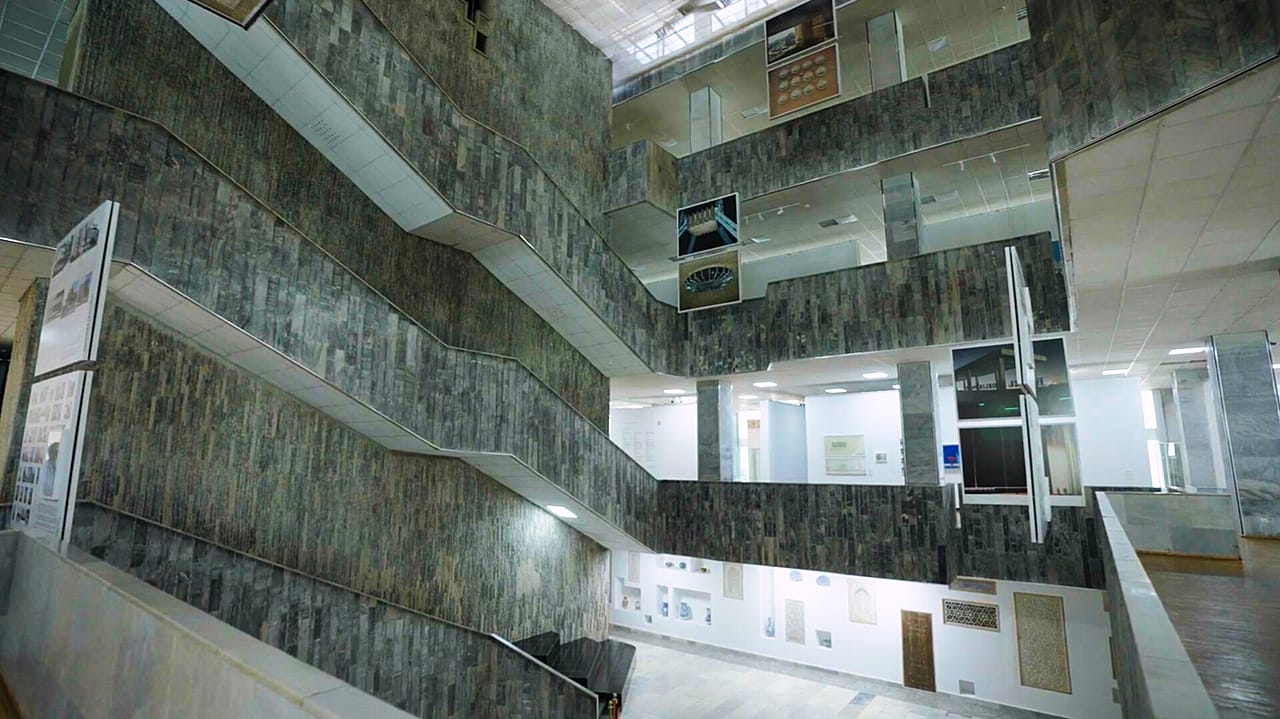
The decision was taken during the 48th session of the UNESCO World Heritage Committee, held in Busan, Republic of Korea, from 19 to 29 July 2026. The property was inscribed under criterion IV, which recognises outstanding examples of architectural or urban development representing a significant period in human history.
A modern city shaped after an earthquake
Tashkent’s modernist transformation had begun before the devastating earthquake of 1966, but the disaster accelerated the reconstruction of the city on a much larger scale.
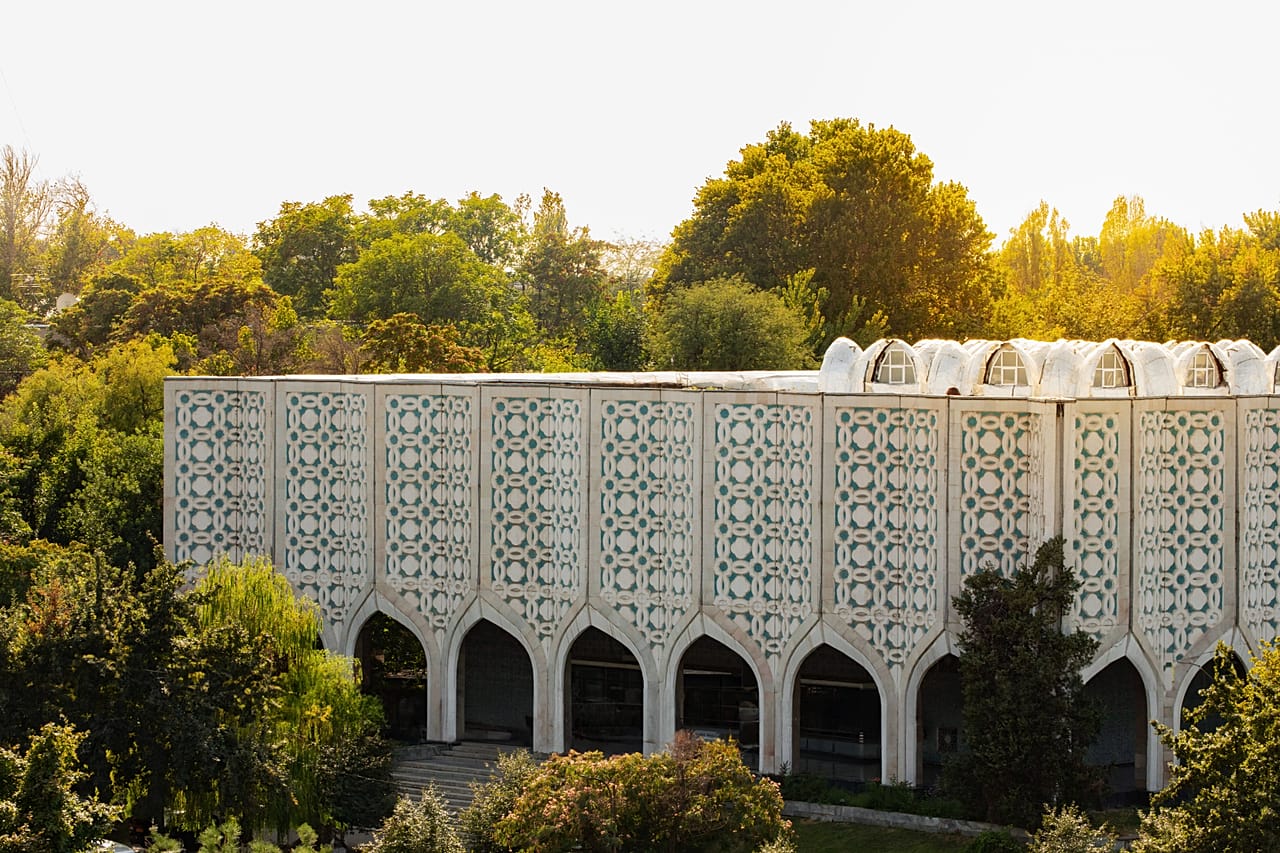
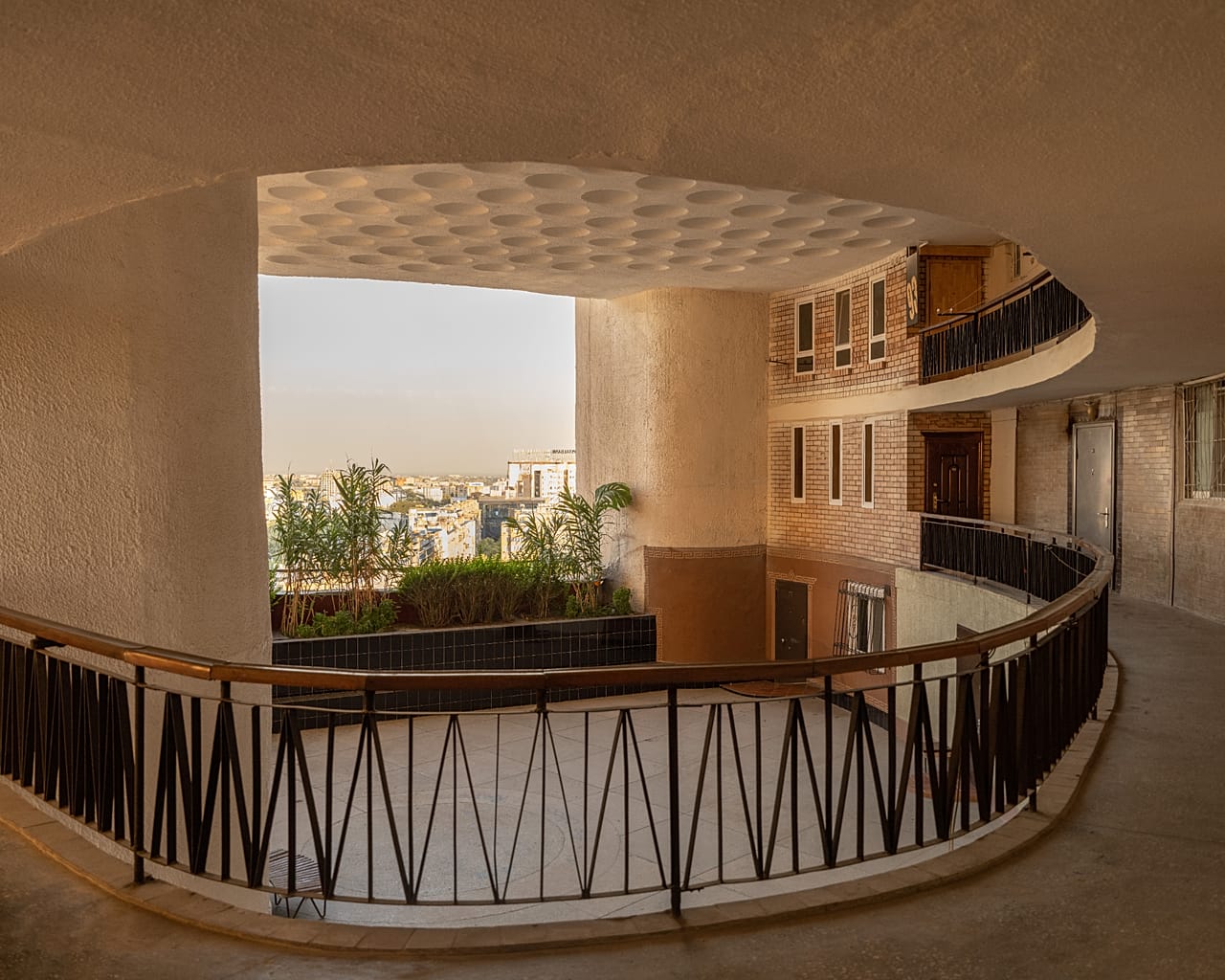
New avenues, public squares, housing complexes, museums and cultural institutions reshaped the capital. International modernist principles were combined with courtyards, loggias, geometric decoration and monumental artworks drawn from the architectural and craft traditions of Uzbekistan.
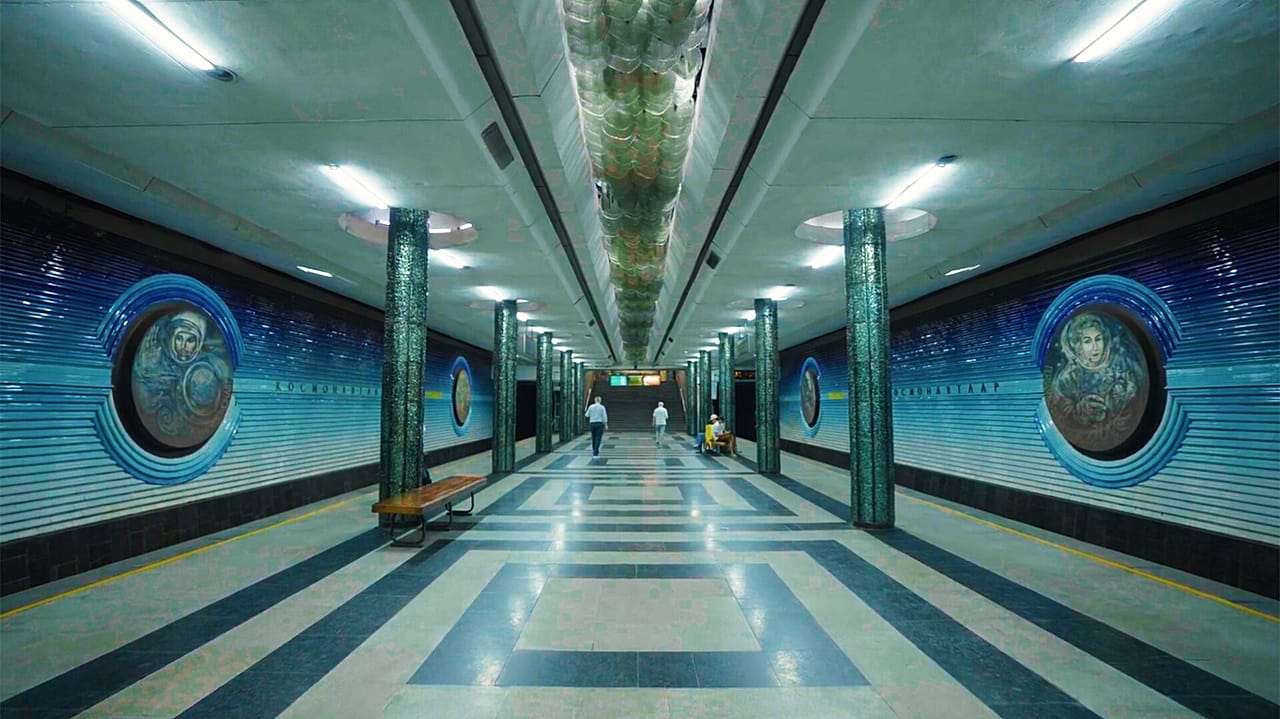
Designs also responded to the region’s practical requirements. Deep façades, screens and shaded spaces were used to address the intense summer heat, while new construction methods reflected the need for greater resistance to earthquakes.
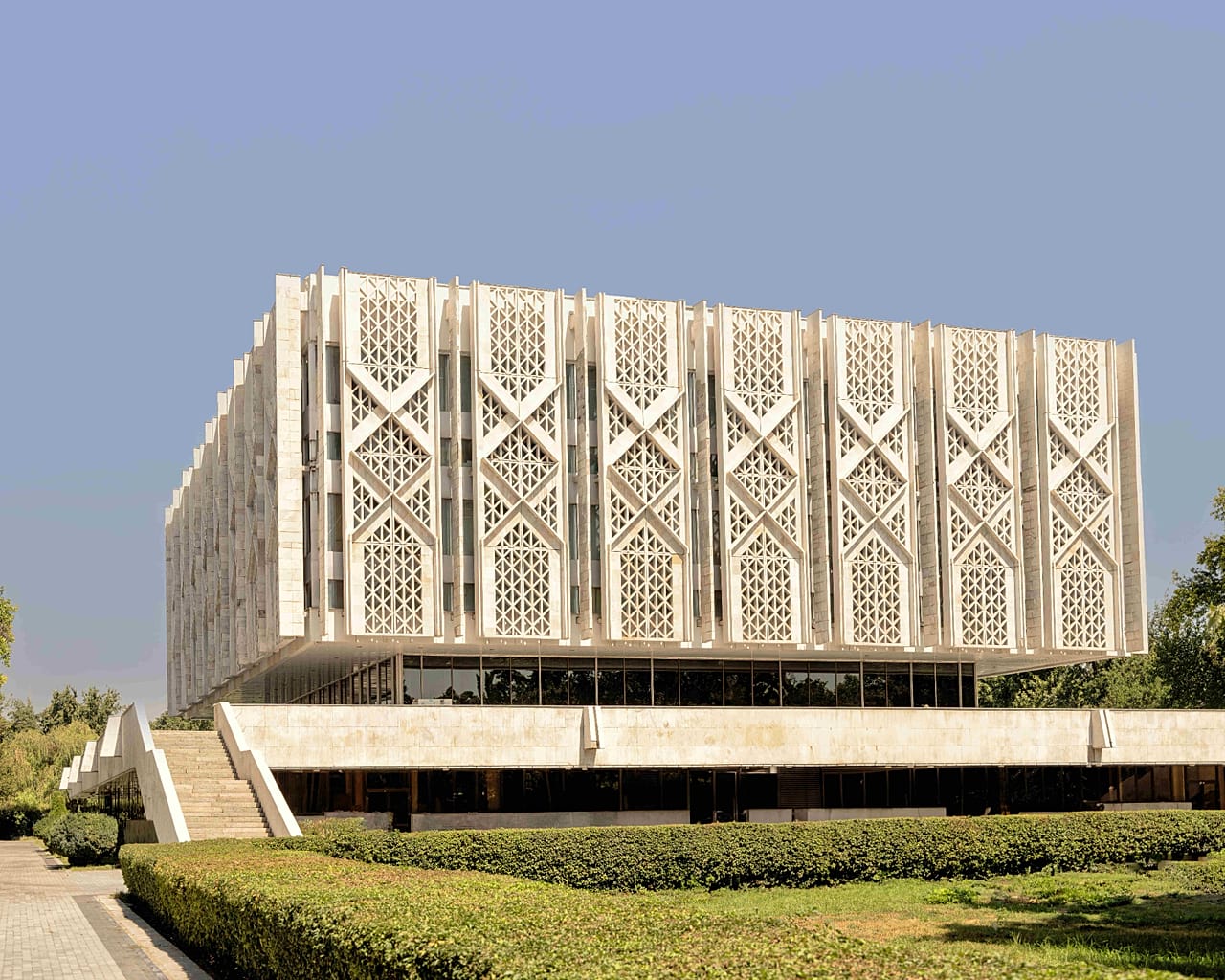
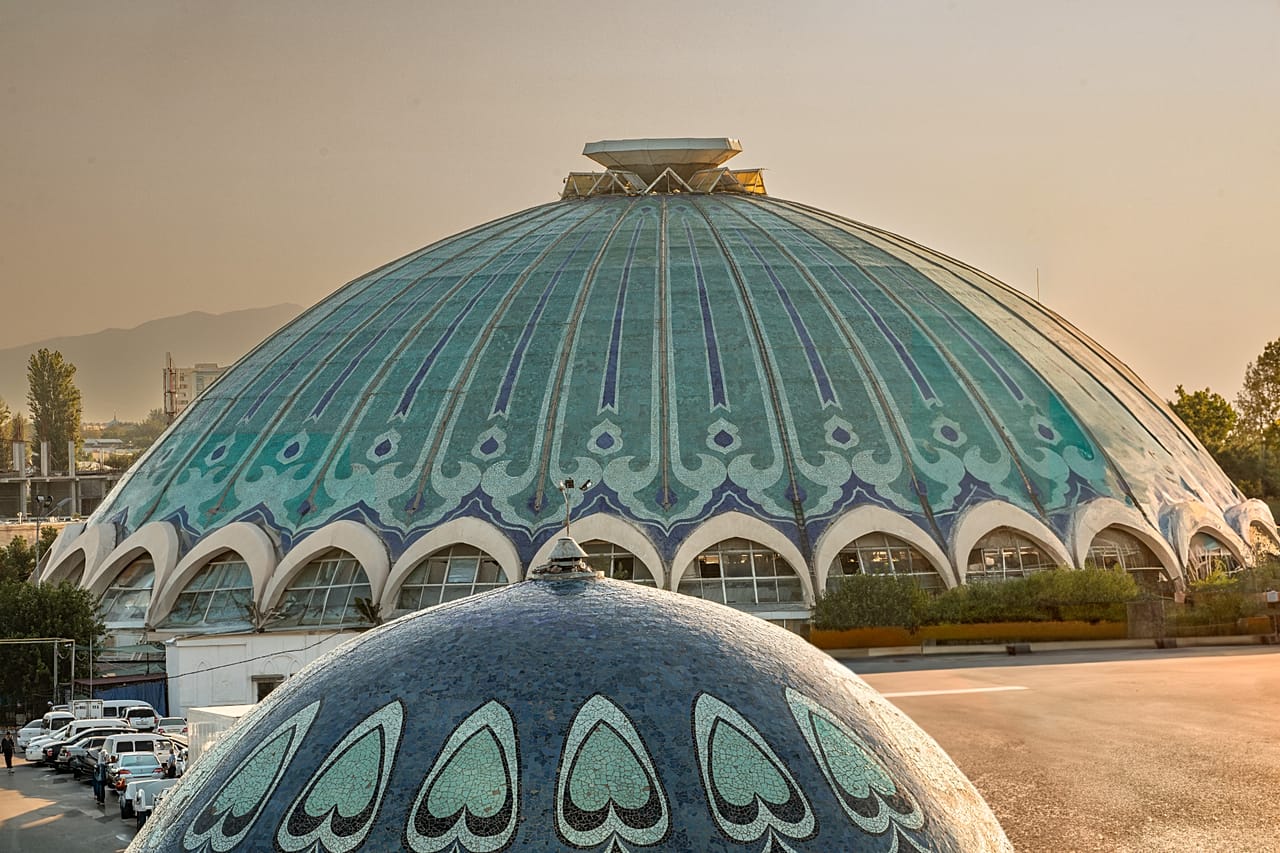
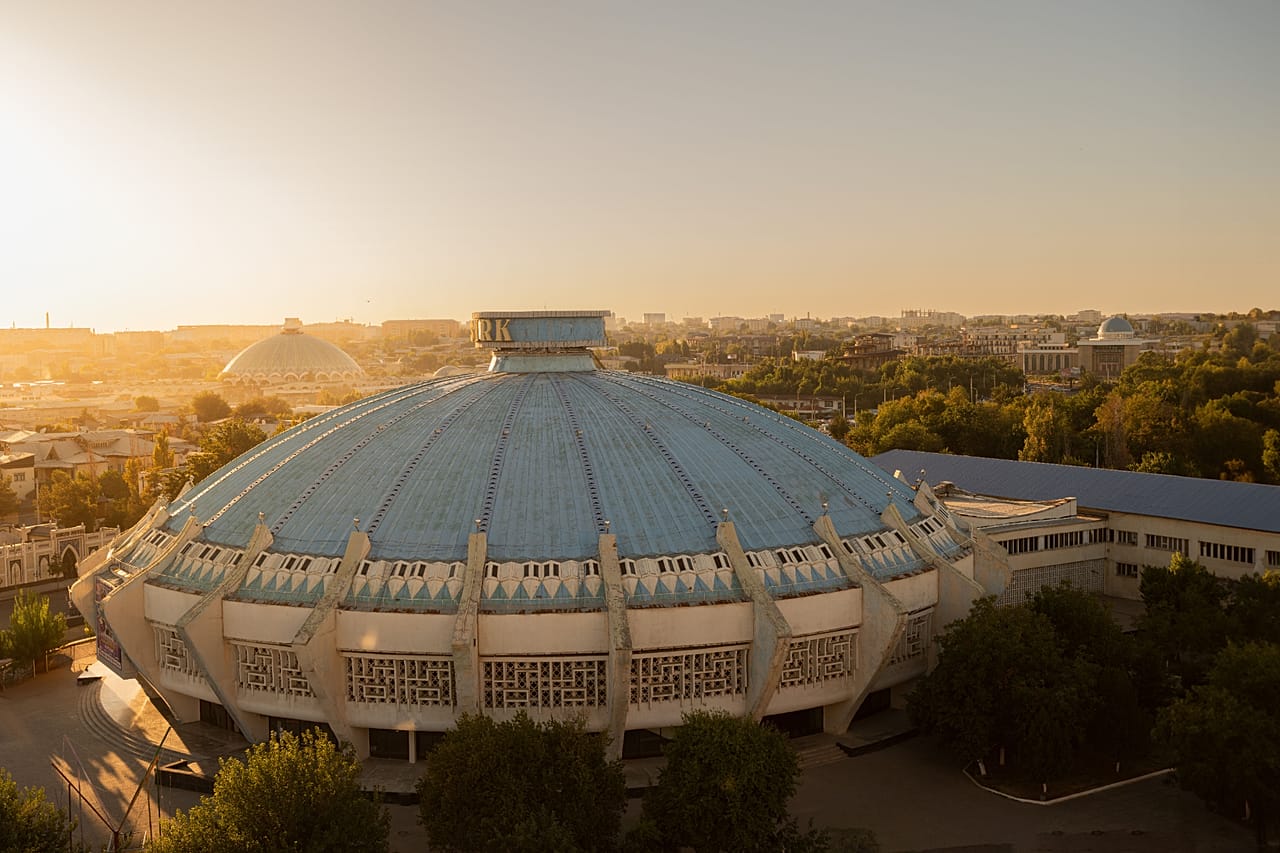
The ten component parts are the Zhemchug, or “Pearl”, Residential Building; the State Museum of History; the Central Exhibition Hall of the Academy of Arts; Kosmonavtlar Metro Station; the Big Solar Furnace, also known as the Sun Heliocomplex; the Peoples’ Friendship Palace; the State Museum of Arts; the State Circus; Chorsu Market; and the Alisher Navoi Cinema Palace.
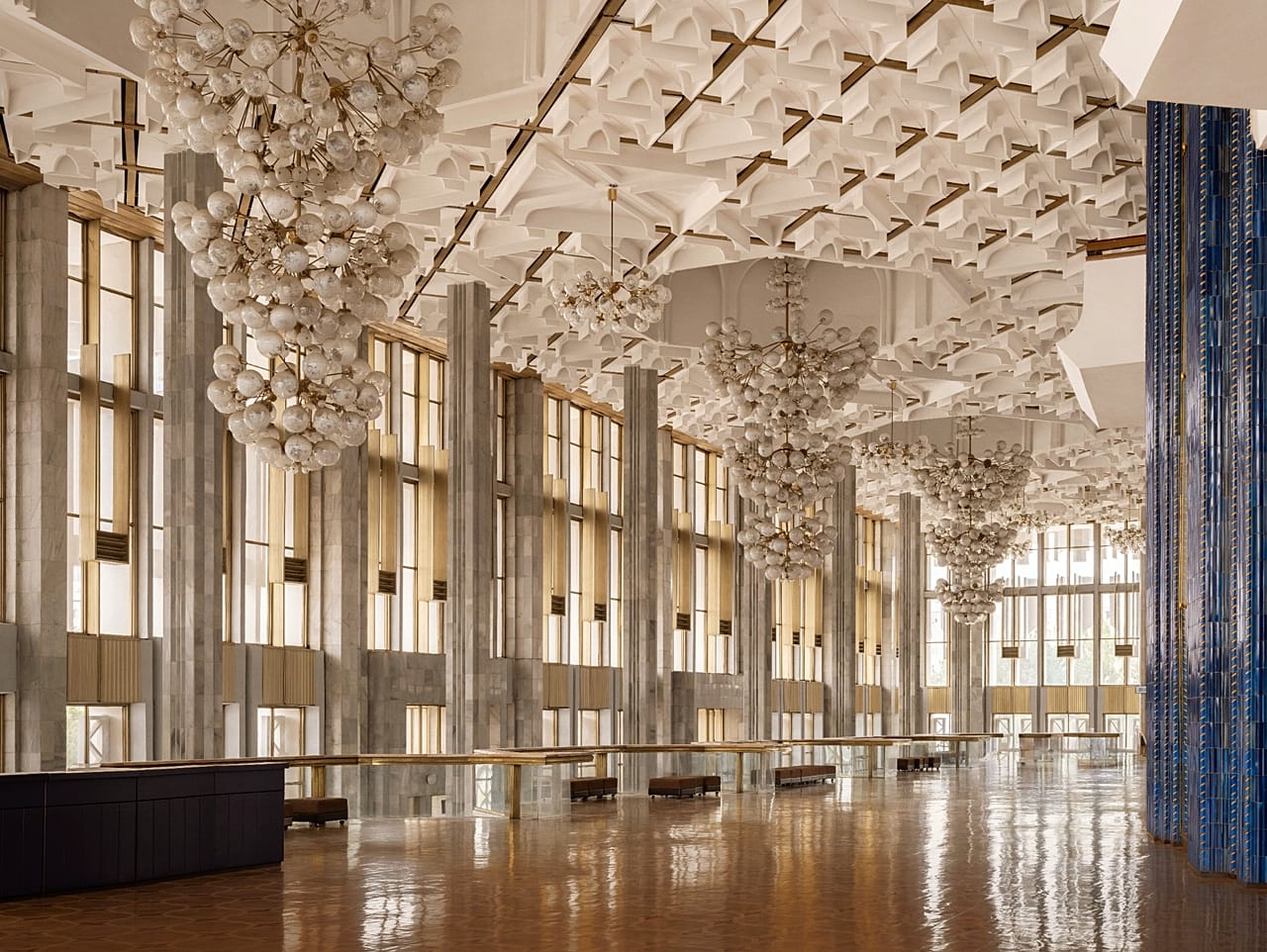
Nine of the ten are situated along the main urban axes created during the reconstruction of central Tashkent. The Big Solar Furnace, an experimental scientific complex completed in the late 1980s, stands outside the capital near Parkent.
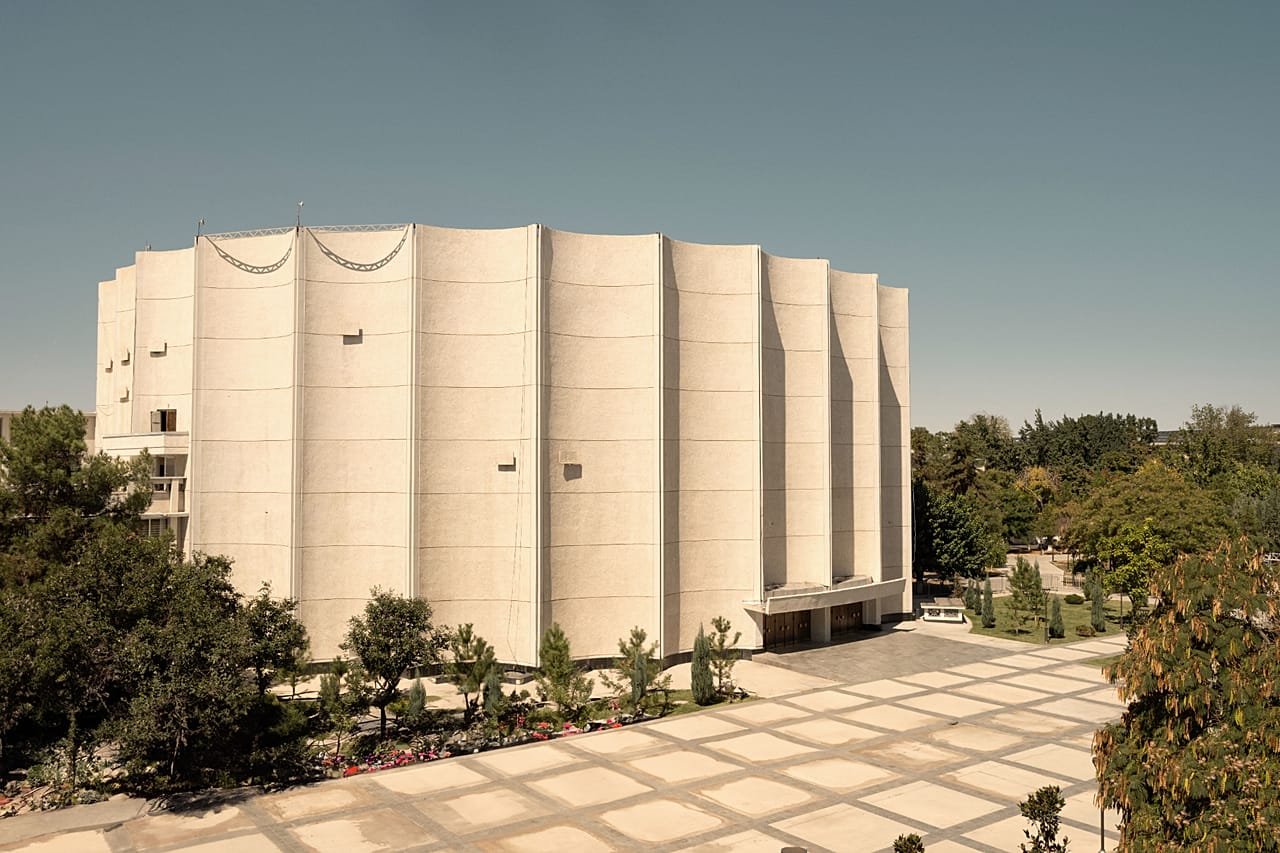
Together, the sites show how modernist architecture was used across a wide range of public and everyday functions — from housing and transport to museums, entertainment, commerce and scientific research.
“This is recognition of the value not only of individual buildings, but of an entire era,” said Saida Mirziyoyeva, Head of Uzbekistan’s Presidential Administration.
For Mirziyoyeva, the architecture created after the earthquake brought together modern design, Central Asian traditions and solutions adapted to the country’s climate.
Preserving a recent layer of cultural history
Many of the buildings remain in active use and continue to shape daily life in Tashkent. Their inscription reflects a broader reassessment of 20th-century architecture, which has often received less protection than older monuments despite its importance to the identity and collective memory of modern cities.
Gayane Umerova, Chairperson of the Uzbekistan Art and Culture Development Foundation and of the country’s National Commission for UNESCO, said the inscription placed an important part of Uzbekistan’s recent architectural history within the international account of 20th-century heritage and the global modernist movement.
“These buildings record how Tashkent imagined public life, collective identity and the future through architecture,” Mirziyoyeva said.
“UNESCO recognition also carries a long-term responsibility: to conserve these buildings with rigour, keep them part of the life of the city and pass their knowledge to future generations.”
Uzbekistan’s cultural and natural World Heritage sites
The inscription brings the number of Uzbekistan’s cultural properties on the World Heritage List to six. The other five are Itchan Kala in Khiva, the historic centres of Bukhara and Shakhrisyabz, Samarkand – Crossroad of Cultures, and the transnational Silk Roads: Zarafshan-Karakum Corridor.
The country also has two natural properties on the list. The Western Tien-Shan, inscribed in 2016, includes the Maidantal and Bashkizilsay sections of the Chatkal State Biosphere Nature Reserve in Uzbekistan, an area known for its mountain landscapes, forests and rich biodiversity.
The Cold Winter Deserts of Turan, inscribed in 2023, includes five components in western Uzbekistan: Saigachy, Saigachy-Beleuli, Saigachy-Duana, Saigachy-Zhideyli and Southern Ustyurt. Part of a wider transnational property shared with Kazakhstan and Turkmenistan, these areas protect desert ecosystems adapted to extremely dry conditions, cold winters and hot summers.