
















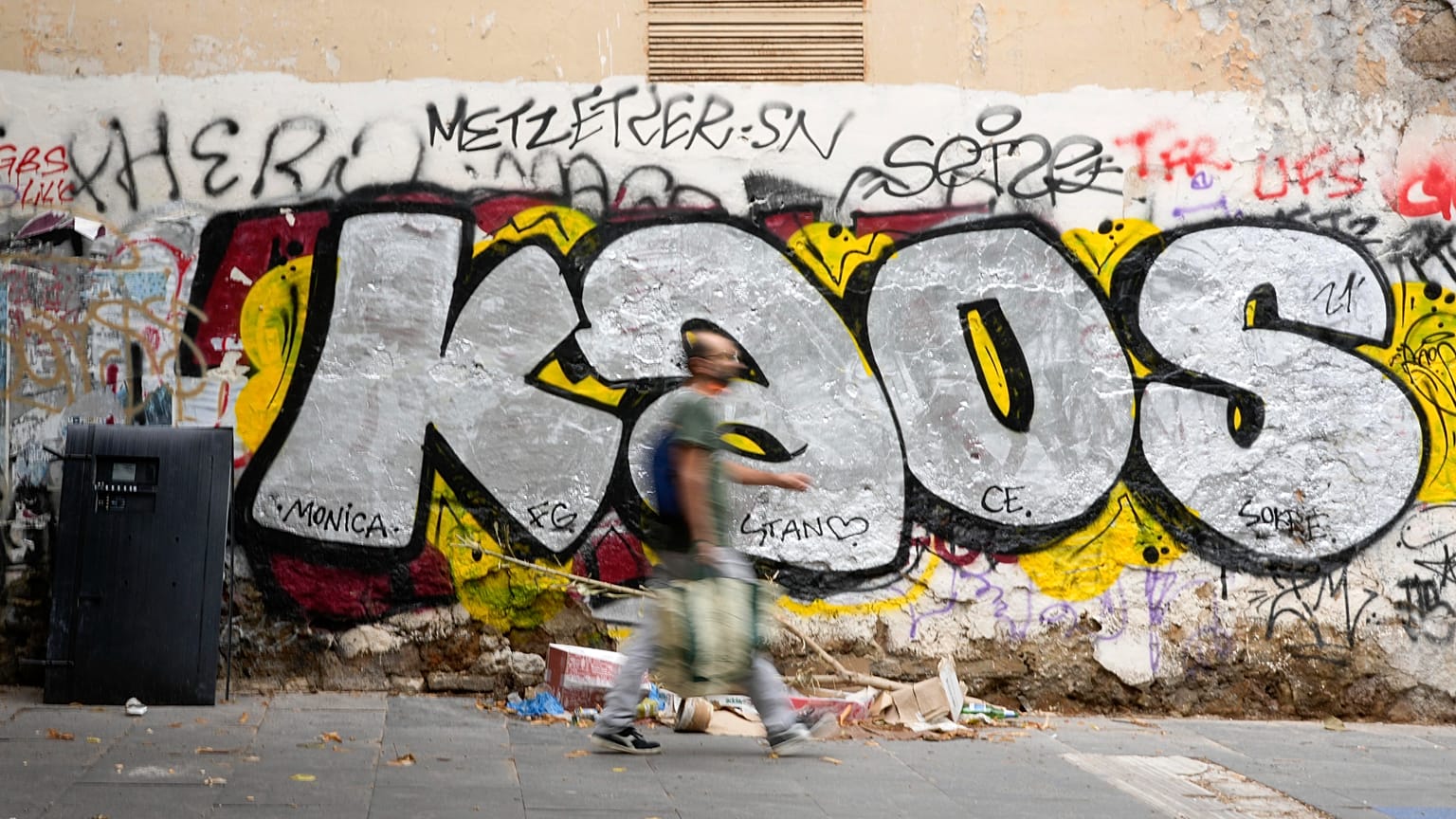














Tired of seeing random tags and graffiti all over Rome, 28-year-old architectural restorer Valerio Tuveri has decided to take matters into his own hands. Armed with a sand blaster and a growing social media following, he's restoring the Italian capital's historic walls one surface at a time.
If you've ever visited Rome there's strong chance you've seen many creative works around the Eternal City other than its ancient monuments. Graffiti and tags have become an increasingly common sight across the Italian capital, but one 28-year-old architectural restorer is determined to change that. Armed with a sand blaster and a growing social media following, Valerio Tuveri is cleaning up Rome's historic walls one restoration at a time.
 ADVERTISEMENT
ADVERTISEMENT
ADVERTISEMENT
Known on Instagram and TikTok as_"the guy who cleans Rome"_, he documents each restoration, turning heritage conservation into viral content.
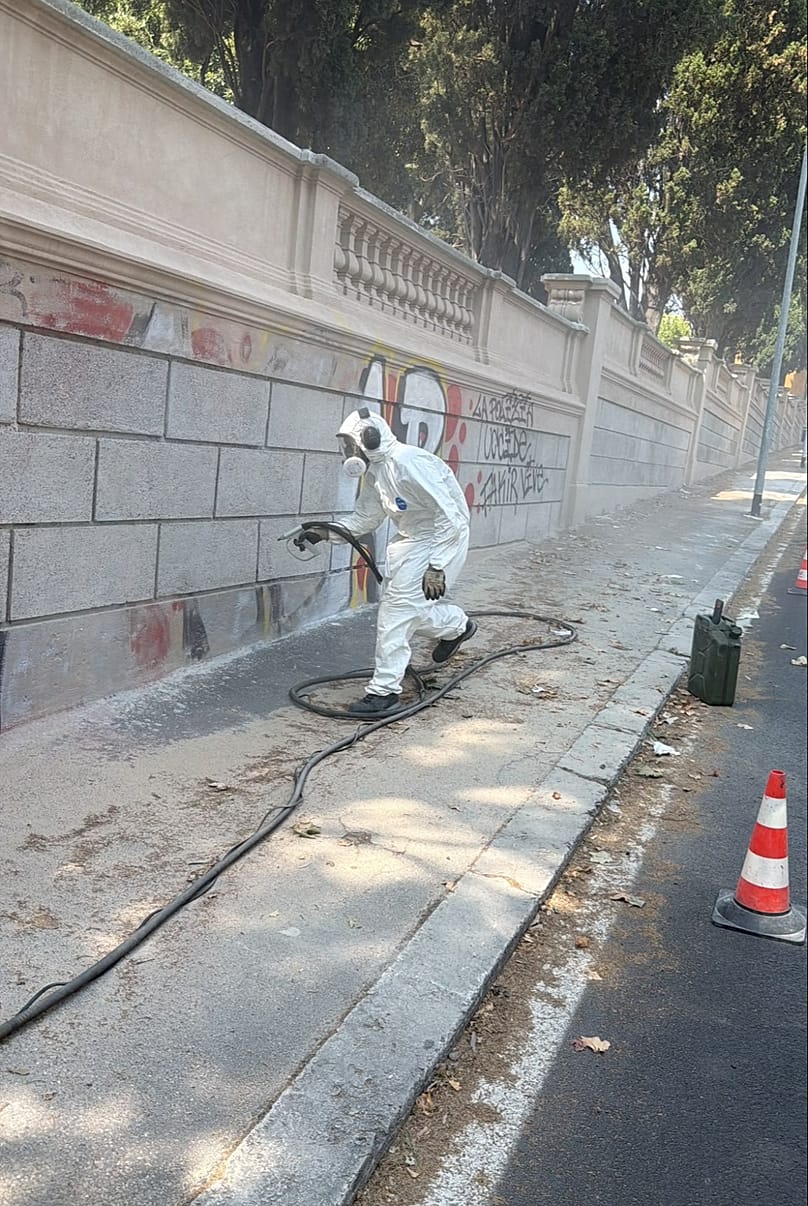
His latest project has been Villa Sciarra, a historic landmark in Rome, where fresh graffiti had appeared on newly restored walls. Wearing protective equipment and using a high-pressure sand blaster, he carefully removed the spray paint while preserving the stone underneath.
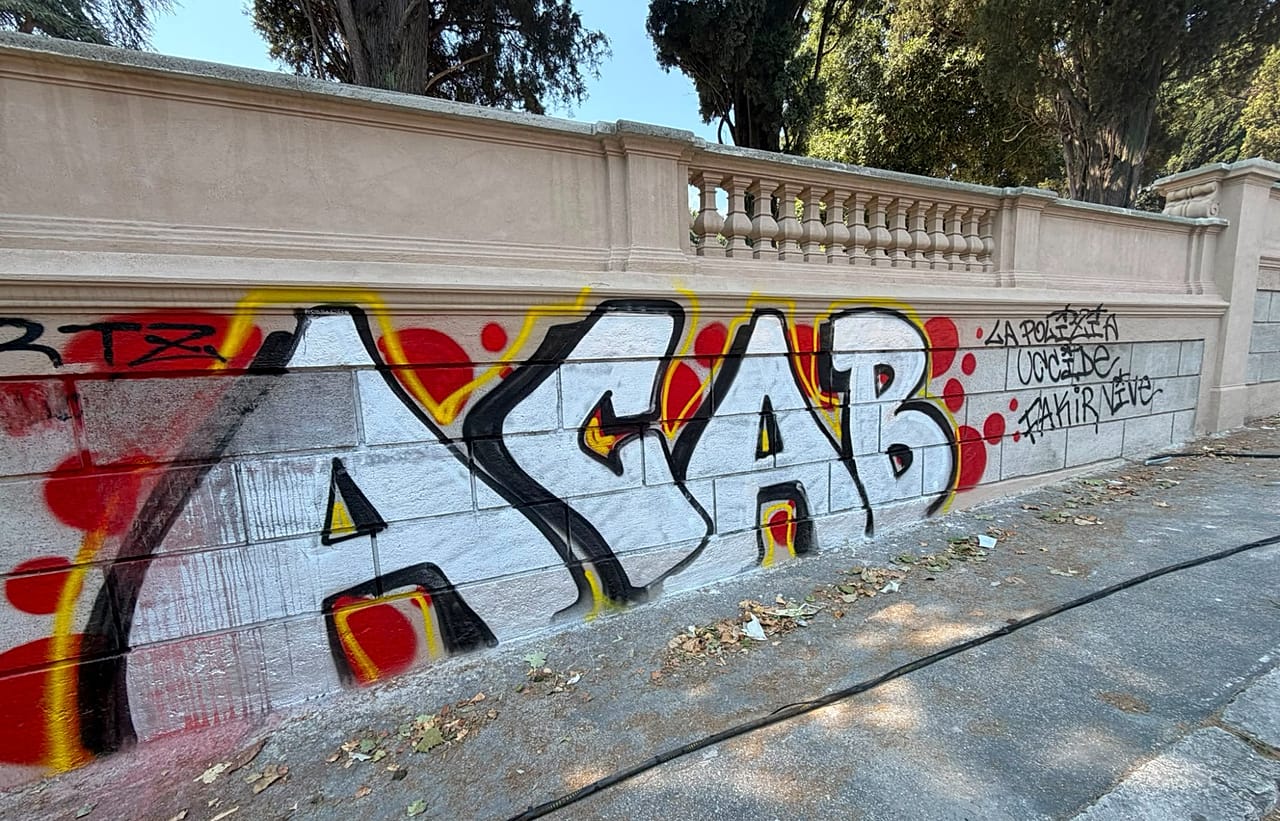
As he worked, curious residents stopped to watch. Some even joined him in removing the graffiti and helping with the final touches, turning the clean-up into a community effort.
For Tuveri, however, the issue goes far beyond aesthetics.
"I decided to take this path, this 'battle', against graffiti because Rome is, in my opinion, the most beautiful city in the world, but at the same time the most vandalised city in Europe," he says. "There is meaningless writing everywhere: on monuments, private homes, cars and shutters."
Tuveri believes there is a clear distinction between street art and the indiscriminate tags that cover many of the city's historic buildings.
Tuveri believes Italy should crack down harder on those responsible. He is calling for more surveillance cameras, stricter security checks and tougher financial penalties to discourage offenders.
"You can tell people whatever you want, but when you hit them in the wallet, they start to feel it," he says. "We need harsh penalties, hefty fines and lots of cameras."
The scale of the challenge is clear. Even after the walls of Villa Sciarra were restored, nearby streets in Trastevere remained covered in layers of graffiti, highlighting how widespread the problem has become across the city.
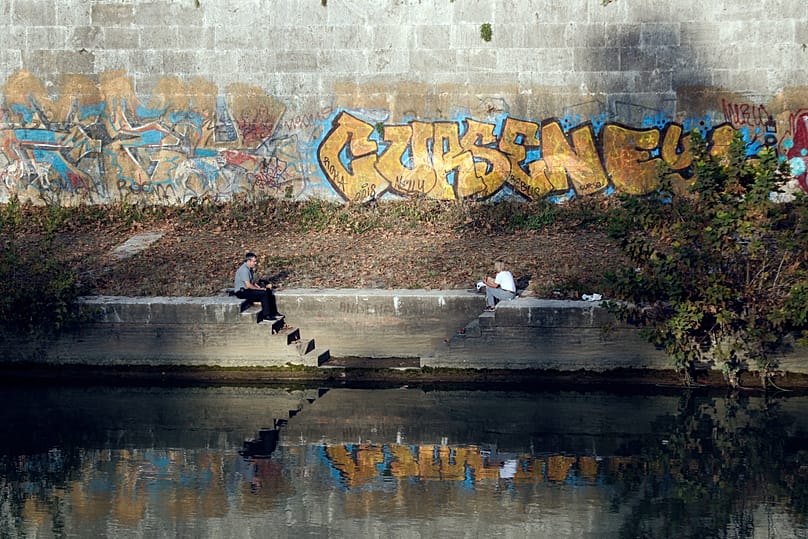
Under Italian law, anyone who damages monuments or property of significant historical, archaeological or artistic value can face up to one year in prison or be fined around €2,000 if the damage is deemed to harm the country's cultural heritage. Courts may also order the confiscation of the damaged property.
For Tuveri, restoring a single wall may seem like a small gesture. But through every video he shares online, he hopes to inspire others to see Rome's historic fabric not as a blank canvas, but as a heritage worth preserving.