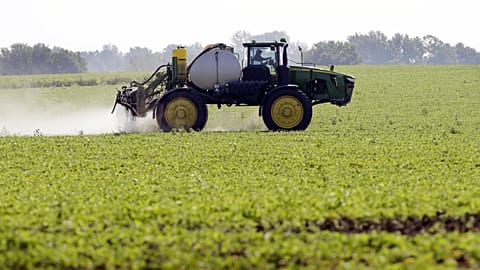

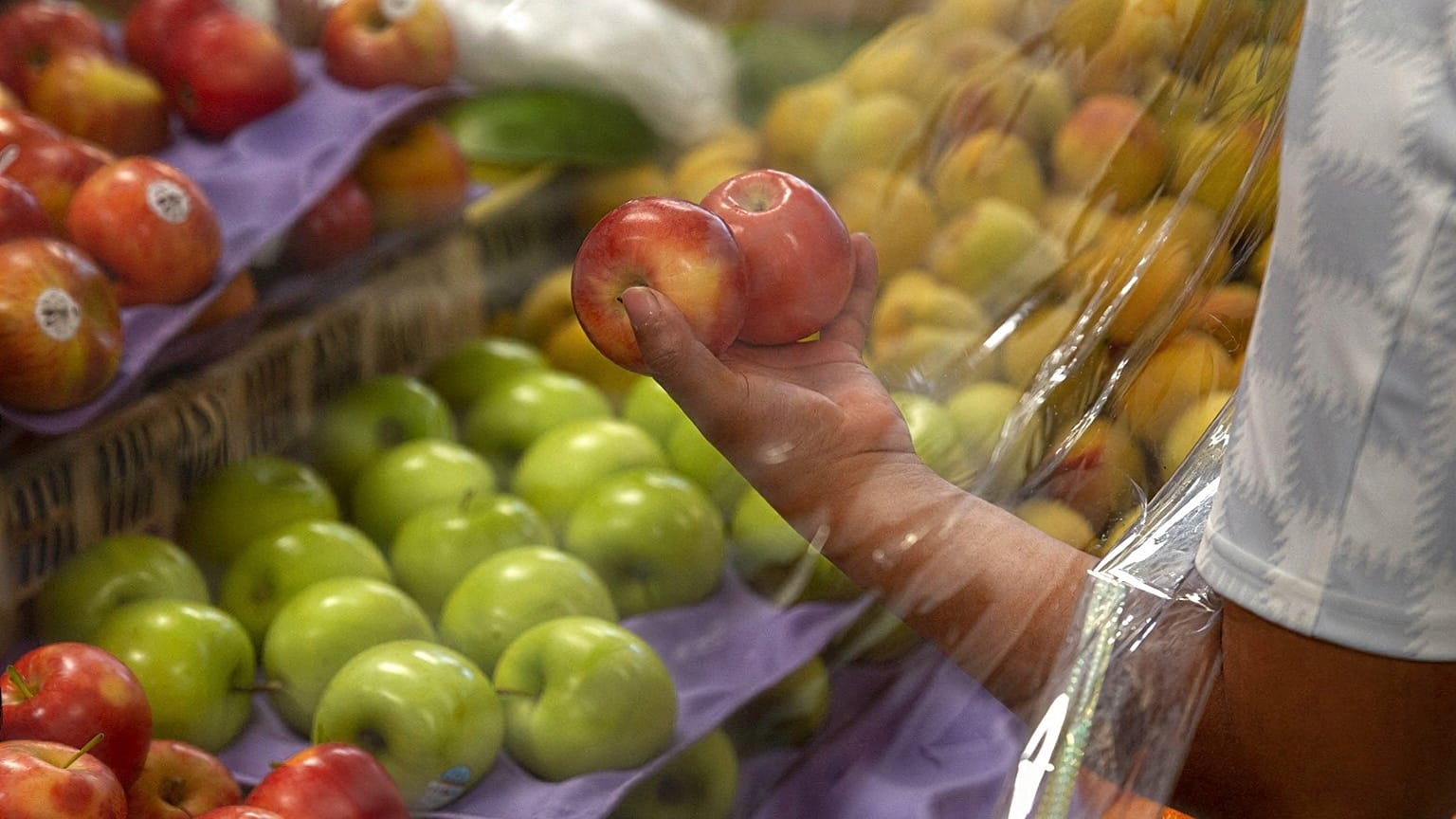













A study coordinated by PAN Europe across 13 countries has found that 85% of conventionally grown apples tested contained multiple pesticides at the same time. In Spain, the figure stands at 80%. The combined effects of these substances have not yet been officially assessed.
They are among the most widely consumed fruits in Spain and across Europe, and their healthy image has rarely prompted much suspicion. Yet a report published this week by Pesticide Action Network Europe, produced in collaboration with 13 partner organisations across the continent, presents some uncomfortable figures: 80% of apples tested in Spain contained residues of several toxic pesticides at the same time. The European average stands even higher, at 85%.
 ADVERTISEMENT
ADVERTISEMENT
ADVERTISEMENT
The figure is based on 59 samples of locally produced apples collected from supermarkets and markets in September 2025. On average, each apple contained three different pesticides, with some samples showing traces of as many as seven. This is far from an isolated issue: in eight of the thirteen countries surveyed — including Germany, Poland, the Netherlands and Croatia — every single sample contained multiple pesticide residues.
At the other end of the scale, Denmark recorded the lowest level of contamination, with just 20% of apples affected, followed by Belgium at 50%. Spain, France and Italy sit in the middle, each at 80%.
Among the substances identified, the study highlights two groups of particular concern. Neurotoxic pesticides were found in 36% of the samples, while PFAS — per- and polyfluoroalkyl substances — appeared in 64% of the apples analysed.
Fludioxonil, classified as an endocrine disruptor by the EU in 2024, was detected in almost 40% of the fruit. The fungicide captan, considered a possible carcinogen, was present in 61% of samples. Acetamiprid, an insecticide designated as neurotoxic by the European Food Safety Authority (EFSA) since 2013, was found in around 20% of apples and is known to be capable of crossing the placental barrier.
A two-decade regulatory gap
The problem, the report argues, lies not only in what is found on apples, but in what regulators are failing to measure. European legislation has required the assessment of the combined impact of pesticides — the so-called “cocktail effect” — for more than 20 years. Yet EFSA has still not developed an official methodology to do so.
Existing studies assess each substance in isolation, leaving what the authors describe as a significant blind spot: the combined effect of several chemicals can be “far greater” than the impact of each one individually.
According to the report, 71% of contaminated apples contained substances that the EU itself classifies as “highly toxic” and which, in principle, should have been withdrawn from the market. In some cases, their presence in European food has increased rather than declined in recent years. Apple trees, the authors note, can be treated with pesticides up to 30 times a year.
The findings raise particular concerns for vulnerable groups. If the apples analysed had been marketed as processed baby food, 93% would have failed to meet EU standards, which set a maximum residue limit of 0.01 milligrams per kilogram for children under the age of three.
In some samples, residue levels were up to 600 times higher than this threshold. Pregnant women are also considered at risk, as several of the substances identified may affect foetal neurological development.
What can be done amid EU plans
In response, the Spanish NGO Hogar sin Tóxicos, which contributed to the report, recommends prioritising locally produced organic apples, grown without synthetic pesticides. In Germany, around 15% of apple production is already organic, demonstrating that alternatives to conventional farming are viable.
Politically, however, the outlook is less reassuring. The authors warn that the European Commission is currently considering an omnibus food safety proposal which, in its current form, could weaken protections for both public health and the environment.
Martin Dermine, executive director of PAN Europe, was unequivocal, ""If EU and national regulatory authorities properly implement the law, a series of pesticides detected on apples would have been banned long ago. Like acetamiprid, which is toxic to foetuses' brains or difenoconazole, an endocrine disruptor and neurotoxic. Instead, the EU is proposing to weaken health protection with its Omnibus proposal on food and feed. Our report highlights that a more thorough regulation is needed, not less."