














Timothée Chalamet's star turn as a wannabe table tennis champion serves rollicking anxiety and a dynamic deconstruction of the American Dream.
Cinema is built on dreamers. The people willing to put it all on the line for a bold life, one where success, spectacle and legacy matter more than existing quietly - and boringly - in the margins.
 ADVERTISEMENT
ADVERTISEMENT
ADVERTISEMENT
As aspiring drummer Andrew says in Whiplash: “I'd rather die drunk, broke at 34 and have people at a dinner table talk about me than live to be rich and sober at 90 and nobody remembered who I was.”
For his first solo project, Josh Safdie takes such ardent beliefs to extremes by letting his character’s ambition and ego run amok. What appears as a straightforward sports drama quickly diverts into a ping-pong-style frenzy of violence and screwball comedy, which feverishly inflates and fractures the American Dream.
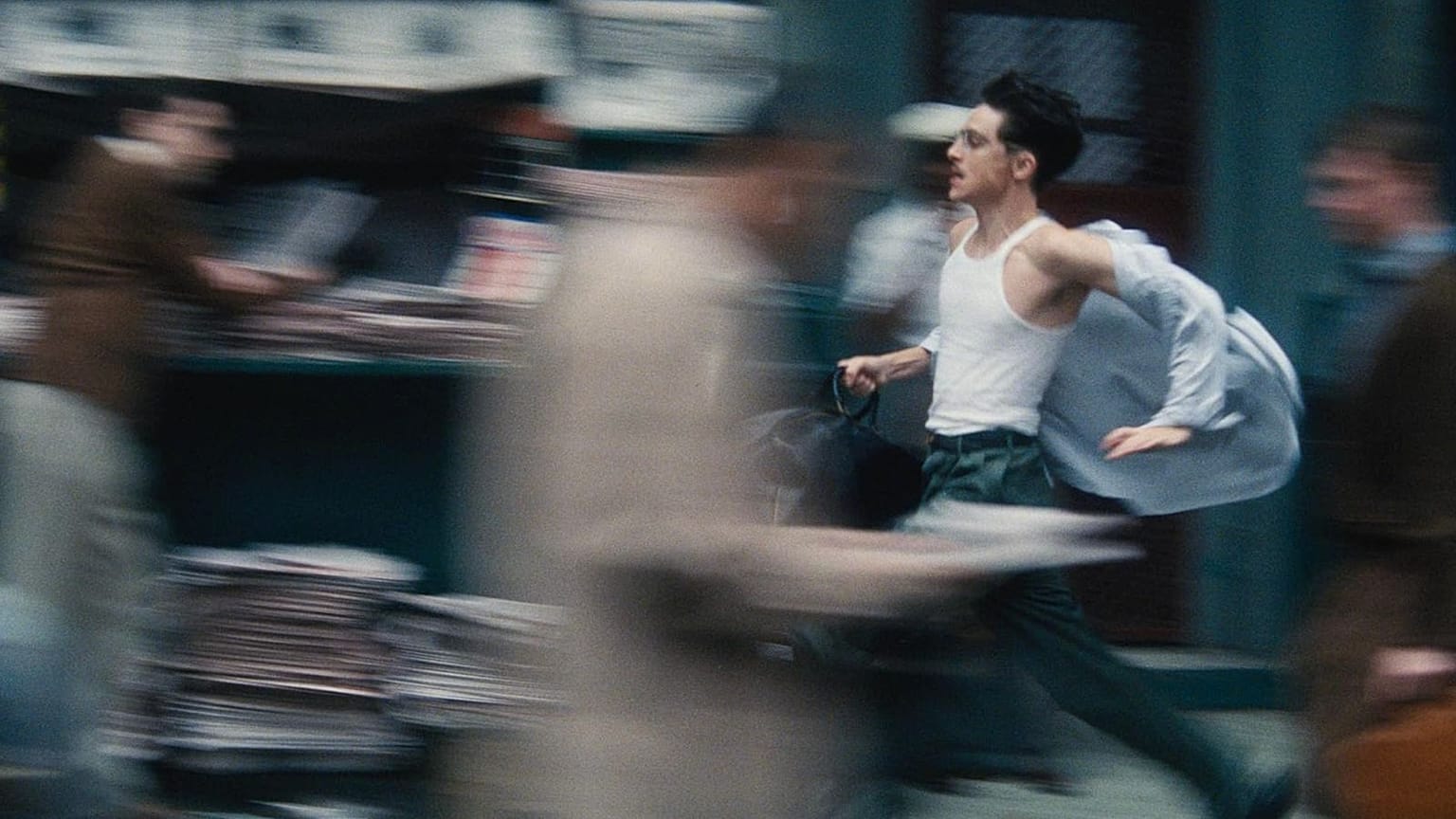
When we first meet young Marty Mauser (Timothée Chalamet), he’s reluctantly working as a shoe salesman in his uncle’s shop, sneaking away for stockroom quickies with his unhappily married friend, Rachel (Odessa A'zion).
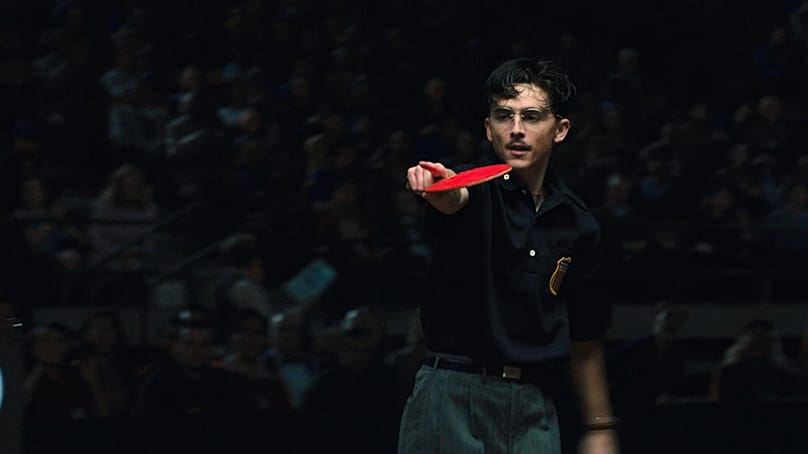
But this is 1950s New York - a time of post-war prosperity and rock n’ roll spirit - and Mauser believes, with unshakeable tenacity, that he’s destined for more.
After taking his owed wages at gunpoint, Mauser travels to the World Table Tennis Championships to compete - resulting in a devastating loss against Japanese player Koto Endo (played by real-life champion Koto Kawaguchi). This triggers a domino effect of increasingly uncontrolled chaos, fuelled by Mauser’s desire for redemption and greatness. At any cost.
When it comes to trapping hapless characters in a New York City mess of their own making, Safdie has form. His previous films with brother Benny, Uncut Gems and Good Time, are both notoriously tense, centring naively wilful men whose persistence becomes pernicious; their drive and desperation collapsing into their downfall.
Marty Supreme is ever so slightly more forgiving, however.
Loosely based on the life of table tennis player Marty Reisman, Safdie and co-writer Ronald Bernstein take elements of Reisman’s bizarre experiences as a mid-century hustler, then caricature them with bombastic absurdity. What results is a stress dream of a film that’s dashed with, and ultimately grounded by, the poignancy of reality.
Defined by its butt-clenching moments (a falling bathtub chief among them), Marty Supreme wastes no time in getting your pulse-racing. Every poor decision Mauser makes is like a Mentos mint being dropped in Coca-Cola, leading to a fizzy eruption of fresh hell.
This trail of chaos soon settles into an intoxicating kind of rhythm, animated by a bright, boundless verve that simultaneously uplifts and exhausts.
An anachronistic soundtrack, laced with 80s bangers like Alphaville’s ‘Forever Young’ and Tears For Fears ‘Change’, adds to the film’s sense of grandiose buoyancy. It’s as if we’re trapped among the obstacles of a specific time, but energised, like Mauser, by a future-focused calling.
It's rare for ambition-driven characters to be likeable, and Mauser is no different. Ruthless in his tactics, he's happy to steal, sabotage and step on whoever gets in his way. It’s testament to Chalamet’s performance (surely a career best) that such an irredeemable character remains emotionally engaging throughout, holding every scene together with a smug playfulness and cold-hearted determination.
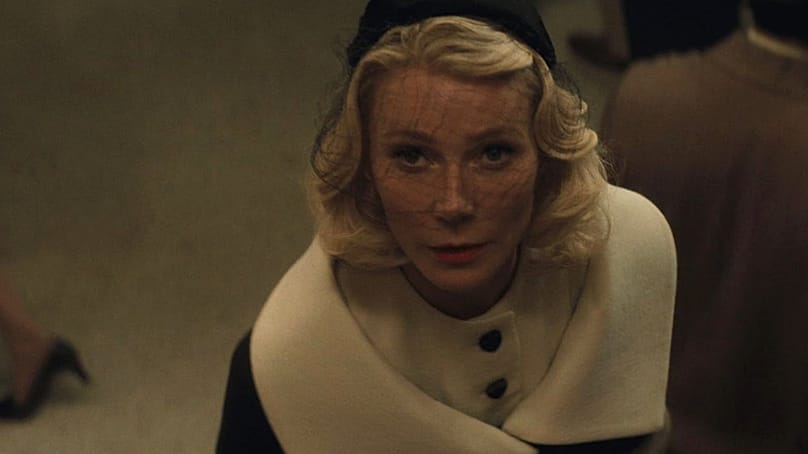
While underused, the supporting cast are also excellent, with A'zion a stand-out alongside Gwyneth Paltrow as Kay Stone, a washed-up Hollywood actress who starts an affair with Mauser. Then there’s Abel Ferrara - always a welcome appearance; his gravelly voice and dirt road face adding an extra layer of unnerving to the violent Mafia boss Ezra Mishkin.
Where the film suffers somewhat is its dedication to cultivating so much sustained stress. This makes the world and characters outside of Marty's mission feel somewhat hollow, while the action itself starts to dwindle into weariness towards the second half.
It's hard not to compare it to fellow Oscar contender One Battle After Another, which features a similarly scrambling protagonist on a mission, but maintains thematic impact through slow-burn scenes and a balance of richly-drawn characters.
But if you can get on board with Safdie's adrenaline-shot cinema, it’s still a hell of a ride. One that inflates - much like that A24 promotional blimp - the pursuit of greatness, then lets it burst, revealing the hollow belly of obsession and aspiration.
In a beautiful but harrowing flashback scene, table tennis player Béla Kletzski (Géza Röhrig) recounts smearing himself in honey so that his fellow Auschwitz prisoners could eat. As tongues vigorously lick to the swelling orchestral synths of Daniel Lopatin’s score, it reminds us that meaning is rarely found in achieving superficial dreams - but rather in the silent moments of our humanity.
Marty Supreme is out in UK and Ireland cinemas now, with gradual roll-out across Europe in February.