




























Retail sales slowed and investment contracted compared to previous years as Chinese policymakers aim to make domestic demand a top priority in 2026.
China’s economic slowdown became more entrenched in November, with retail sales recording their lowest month of year-on-year growth since 2022.
 ADVERTISEMENT
ADVERTISEMENT
ADVERTISEMENT
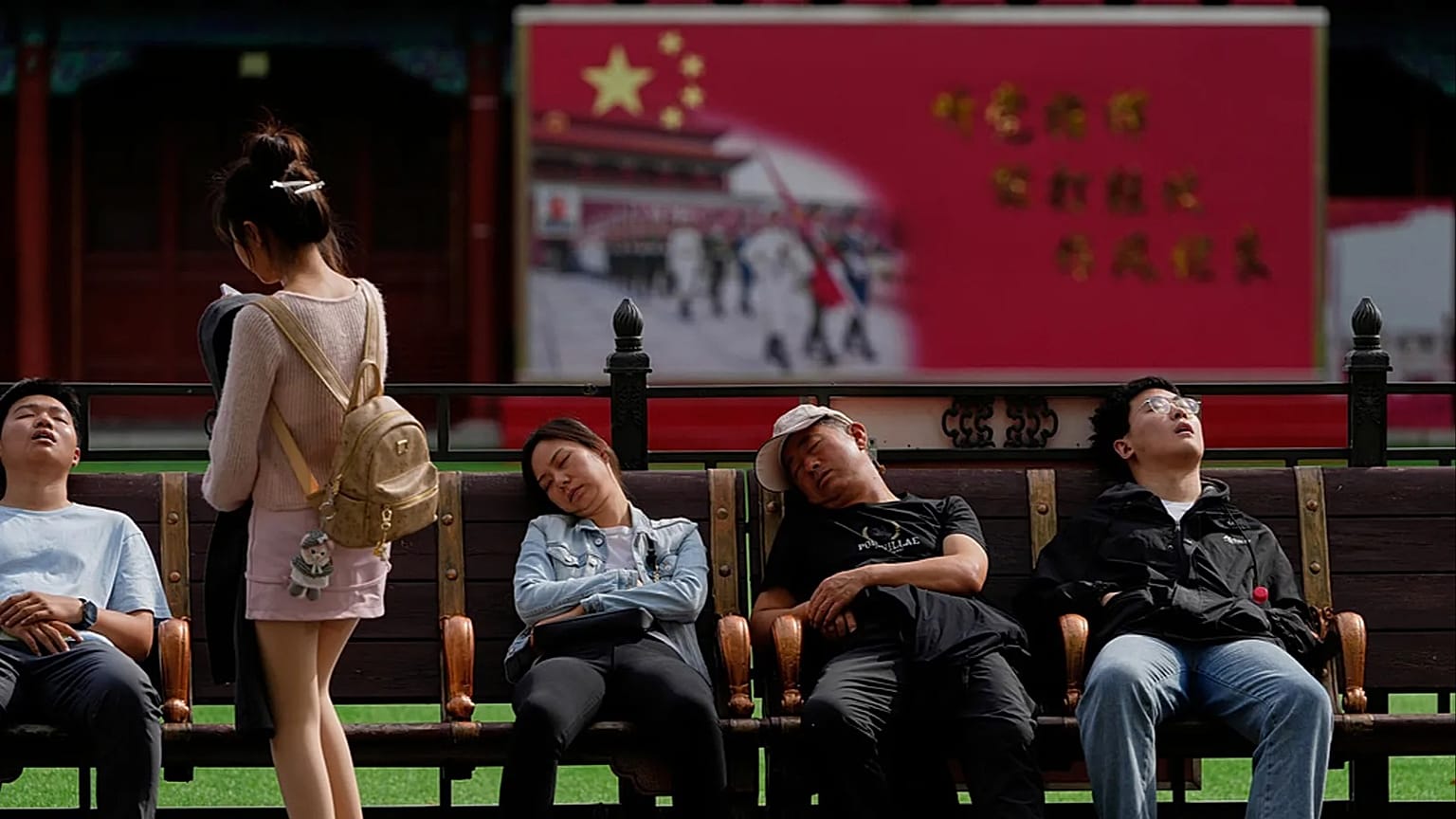
All major domestic indicators disappointed in November, underscoring the challenge facing policymakers as they seek to make household spending, rather than exports and investment, the main driver of growth from 2026 onwards.
"Boosting domestic demand in 2026 looks to be a top priority for policymakers, according to recent communications from the Politburo meeting and the Central Economic Work Conference," said a report from ING bank.
The Chinese leadership plans to implement "special actions to boost consumption", along with initiatives to boost household incomes.
"Retail sales growth slowed sharply to 1.3% year-on-year in November, down from 2.9% in October," with ING attributing much of this slowdown to the fading impact of China’s trade-in policy, which encouraged households to replace older goods with new ones.
Trade-ins slow purchases
While sales initially jumped when consumers realised they could purchase newer items and bring in their old ones for a price reduction, making upgrading an appealing concept, now the policy is dragging the economy down because it failed to create lasting demand.
Sales of household appliances fell by 19.4% compared with a year earlier, sharply pulling down overall retail growth.
China’s transition towards electric vehicles has added to the weakness in retail data. Petrol sales fell by 8% year-on-year as fuel demand declined, while earlier car purchases contributed to an 8.3% drop in auto sales.
Some categories — such as catering, cosmetics, food staples and gold and jewellery — outperformed, but not enough to offset the broader slowdown.
Drops also felt in real estate
Fixed asset investment, which includes spending on infrastructure, factories and property, also contracted more sharply in November.
Both public and private investment weakened, with private investment falling faster.
While public investment could recover with policy support next year, private investment remains a bigger question mark and will be a more important gauge of underlying confidence in China’s economy.
The property sector remains one of the most significant drags on the economy. Home prices across China’s 70 major cities continued to fall in November, with used-home prices declining faster than the cost of new homes.
From their peak, new home prices are down more than 12%, while used-home prices have fallen by over 20% — a trend that has direct implications for household wealth and confidence.
Property investment also continued to contract sharply, reinforcing concerns that the housing downturn remains unresolved.
While policymakers have signalled renewed focus on stabilising the property market — including measures aimed at affordable housing and reducing excess supply — it remains to be seen whether this can bring a lasting turnaround.
China's property downturn dates back to at least 2021, when the government put a cap on the borrowing capacity of real estate developers to limit financial risk. Property giant Evergrande subsequently fell into bankruptcy, dragging the Chinese economy down with it.
Industrial production is an outlier
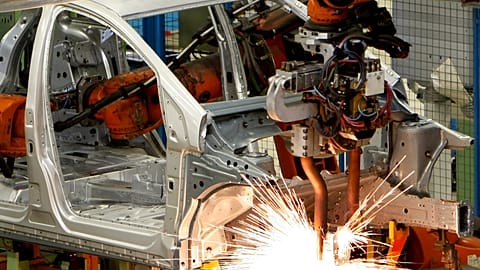
Despite the weakness elsewhere in China, industrial production continues to outperform.
Output growth eased slightly to 4.8% year-on-year in November, but remained resilient, supported by strong performance in sectors such as rail, shipbuilding, aerospace, autos, industrial robots and semiconductors. Part of this strength can be linked to external demand, which has helped to sustain industrial activity even as domestic demand falters.
However, analysts also warn of risks ahead. While resilient demand from non-US economies has supported exports this year, rising trade tensions and tariff risks could challenge this support in 2026.
ING stressed that secondary-market prices are particularly important, as they have the most direct impact on household wealth and consumer confidence. They argue that restoring confidence will be essential if domestic demand is to become the main driver of growth, noting that households are unlikely to spend more unless they believe economic conditions will improve.
Taken together, November’s data reinforces the view that China’s slowdown is both broad-based and deeply rooted.
While growth targets for this year remain within reach, shifting the economy towards domestic demand-led growth may remain a difficult and uncertain task.