












I didn’t think a trucker strike would really affect me - until supermarkets and petrol pumps were empty.
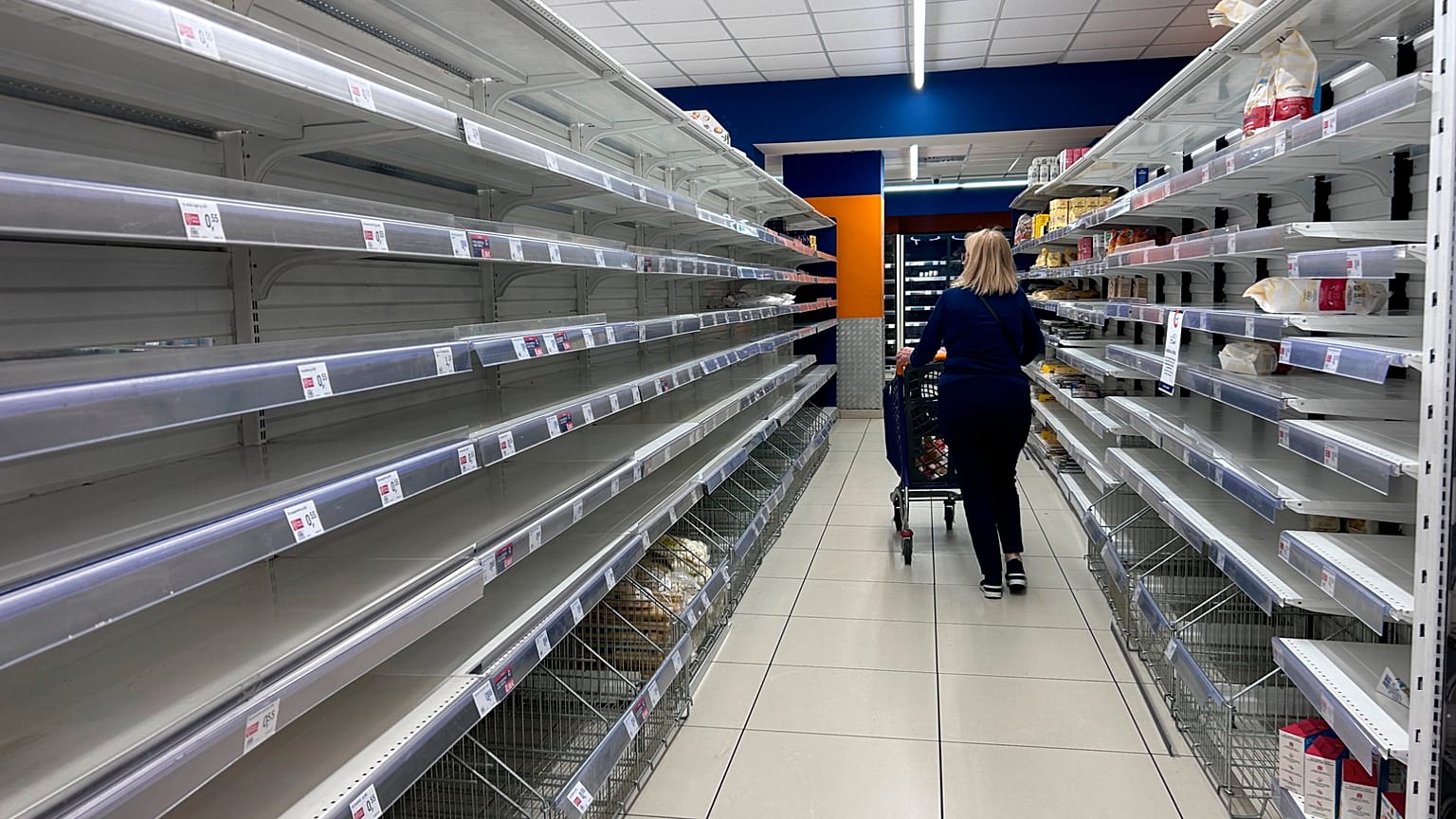
Last week truck drivers in southern Italy staged a strike - and it had the desired effect. Protesting the rising cost of diesel driven up by the US-Iran war, the truckers’ refusal to work started on a Friday. By Wednesday the supermarket shelves in our area of Sicily, where I live as a foreigner, were empty.
 ADVERTISEMENT
It was much the same across the island and the south of mainland Italy, where drivers set up roadblocks to stop lorries leaving food warehouses. Petrol stations also ran dry and a government minister even said that the Mafia were exploiting the protests by intimidating drivers into taking part and slashing truck tyres.
Strikes are fairly common in Italy - public transport workers often walk out over low pay or working conditions, or rubbish services grind to a halt because of Mafia influence. I’m usually aware these strikes are happening but I’ve never been affected by them. Italian friends had warned me that a truckers’ strike 15 years ago had brought food supplies to a standstill but I foolishly thought that wouldn’t happen again. How wrong I was.
Supermarket stock lasted only a few days
I hadn’t needed to buy food for the first few days of the strike and I hadn’t paid much attention to news about the impact it was having. Then I realised I’d almost run out of a few key essentials - like milk for my toddler and fruit - the go-to when he won’t eat a bite of anything else. That was when I started paying attention to videos on social media of local influencers filming completely empty fridges and aisles in the supermarkets in my local town. I cynically thought they probably went at the end of the day, timing their visit in the hope of catching shocking footage to gain attention.
So I went shopping myself, in the morning, to the local Lidl, Eurospin, a nationwide budget supermarket chain, and a Conad, also nationwide but mid-range. There was no fresh food at all - no meat or fish, no dairy products and no fruit or vegetables. Most of the other aisles looked fairly normal but I could see that in a couple of days, if new deliveries didn’t arrive, staples like pasta, tinned goods and cleaning products would also have disappeared.
It was shocking to realise how quickly the system we all rely on for food can be brought to a grinding halt. This was a well coordinated approach: haulage operators, farmers and shopkeepers, often backed by citizens and students, were all involved in disrupting the transport and delivery of goods, all designed to put pressure on the government to intervene.
Shopping locally became the only option
I left the supermarkets unsure what to do. On my route home I passed a greengrocer’s - charmingly called ‘frutterias’ in Italian. I’d been into this one a couple of times but not regularly, finding it easier to get everything in one go at the supermarket. I pulled up and was delighted to see that it had plenty of fruit and veg. I got a basket full of food and chatted to the owner while I was paying. He said they’d had no problems with stock because local farmers, or their distributors, drive produce directly to his shop. If there’s no logistic chain involved, the logistics can’t be disrupted.
My unexpected visit to the ‘frutteria’ turned out to be one of the best parts of my day: on top of the relief of finding fresh food, my mood was boosted by the friendly chat with the owner - it would never have happened during a rudimentary exchange at a supermarket checkout. On top of that, I got fruit and veg that had only been picked a few days before - it also hadn’t been sprayed with the chemicals needed to make it last long journeys by road.
How did the trucker strike come to an end?
As the strike continued, the fallout got worse and worse. Mozzarella dairies lost €3 million in 24 hours because the buffalo milk needed to produce the cheese couldn’t be delivered. Construction companies were affected when they couldn’t receive deliveries of raw materials.
Eventually the Italian government held an extraordinary cabinet meeting and approved new measures to help truckers, farmers and fishers deal with higher fuel costs, bringing financial aid for the two groups to a combined €540 million in tax credits, up from €434 million.
It’s now been four days since the last roadblocks were opened but I’m still waiting on deliveries I ordered before the strike began, and big companies such as Vinted have notified customers they should expect delays.
Make food transport electric rather than pouring more money into the tank
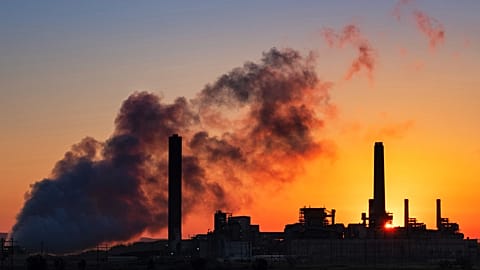
This protest and its fallout happened for one reason: our addiction to fossil fuels. Almost all of the essential services that keep society moving - like delivery trucks and public transport and production of goods - are powered by oil and gas. The Iran war has caused an unprecedented disruption and shortages of fossil fuels, leading to sky high prices in countries far away from where the war is being raged.
As climate scientists have been saying for decades: we have the solutions to bring down carbon emissions and a big one is electrification - replacing fossil fuels with clean energy sources, like wind and solar, to power transport, heating, factories, everything ideally.
Trucking accounts for roughly 11-17 per cent of total oil demand across the US, EU and China - making it the perfect sector for electrification. The diesel price surge is driving record uptake of electric trucks this year: worldwide, sales of medium- and heavy-duty electric trucks hit a record high in the first half of this year at nearly 160,000 units - up by around 75 per cent versus the first half of 2025.
So as with heat pumps and solar panels, the energy crisis created by the Iran war is actually giving a boost to clean energy. The Italian government would be wise to use tax credits to incentivise hauliers to switch their fleet to electric trucks, rather than pouring more money into fossil fuels.