

















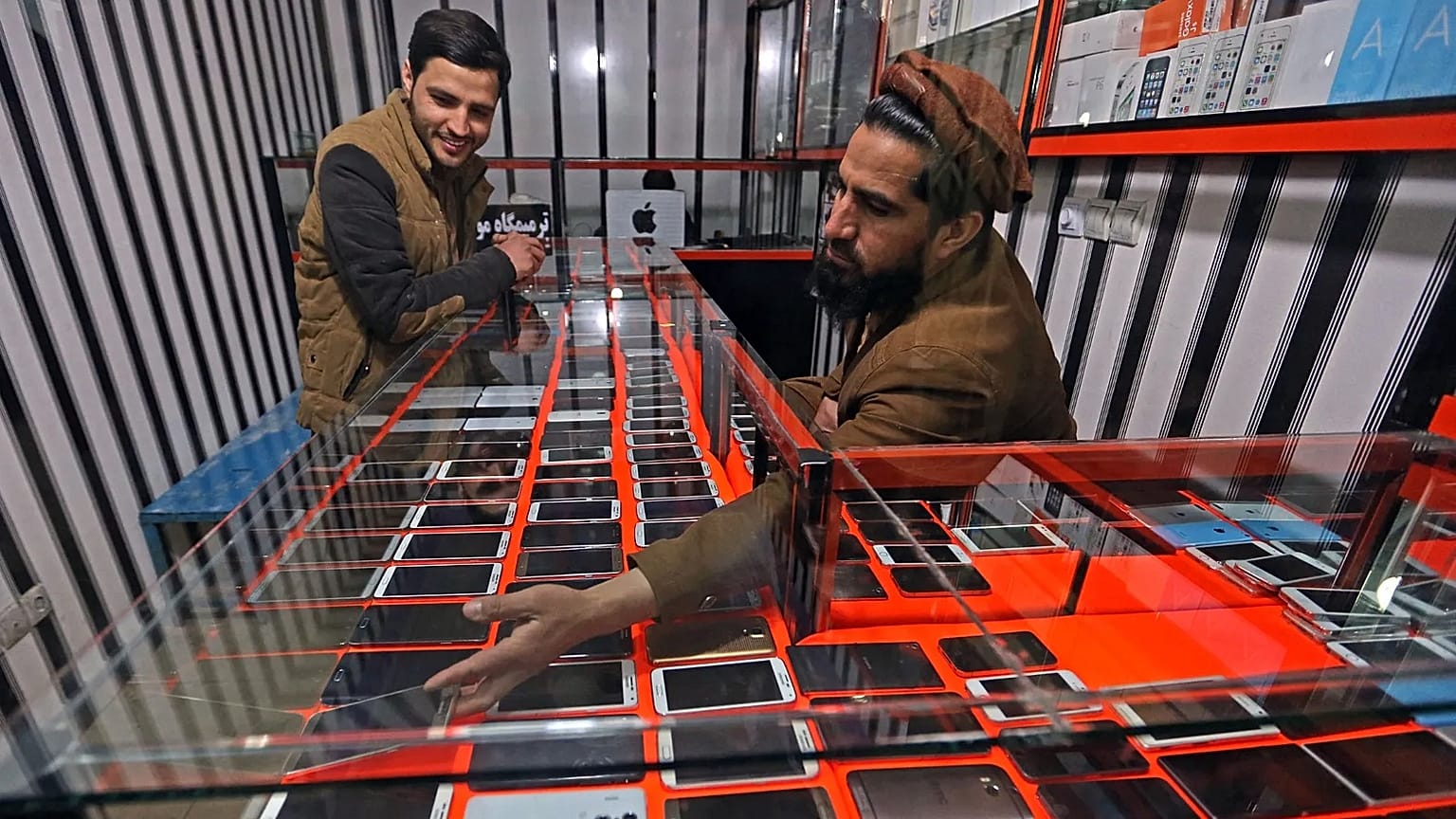













How widely the rule is being implemented across Afghanistan and the scale of its impact were not entirely clear.
Government workers in different parts of Afghanistan have started switching off their smartphones, following an order imposed on Wednesday that reportedly came from the country’s Supreme Leader Hibatullah Akhundzada.
 ADVERTISEMENT
ADVERTISEMENT
ADVERTISEMENT
A letter announcing the ban on smartphones for all government employees started circulating on social media last week under the emblem of the Supreme Court.
"All the heads of departments in their respective provinces are advised to inform their staff, higher-ranking or lower-ranking, that using smartphones is strictly banned effective 17 June," the letter said.
It referred to all employees of the military and civilian departments, mentioning that exemptions could only be granted by the supreme leader.
As of Wednesday afternoon, multiple central government departments were still publishing information through their WhatsApp groups.

Two spokesmen for the Afghan government did not respond to press requests to comment on the decision.
In Ghazni province, located between the capital Kabul and the seat of the supreme leader, Kandahar, government employees started signing off from their smartphones on Tuesday evening.
"It has been decided that from Wednesday, the use of smartphones inside all offices in Ghazni province is prohibited," Irfan Andarh, an official from the mines and petroleum department, wrote in a WhatsApp group seen by the AFP news agency.
Citing the supreme leader's decision, he wrote that employees would be available "via telephone calls and email."
A municipal worker in Ghazni, who requested anonymity for security reasons, said they had been warned that anyone who uses a smartphone would be fired and face legal action.

Prison sentence
In remote Badakhshan, in northeastern Afghanistan, an employee of the provincial information department said the penalty for breaking the rule was six months in prison.
"A verbal decree of the Islamic Emirate (of Afghanistan) was read out and all heads of government departments were ordered that from today onwards, none of the employees of Taliban offices are allowed to use smartphones," he said.
How widely the rule was implemented in Afghanistan and the scale of its impact were not entirely clear.
But three government workers in Badakhshan told AFP it would be hard for them to do their jobs, speaking anonymously due to safety concerns.
A transport department employee said he had been using WhatsApp to share information on the movement of cargo.
"Now, with this ban, our work can be disrupted and can even be made impossible," he said.
A teacher described the decision as "truly heartbreaking" and said his smartphone was confiscated on Wednesday, before being returned with a warning not to carry it again.
"We need apps to stay connected with the students and hear their problems, for example, in the WhatsApp groups, they can share their classroom problems, questions related to their homework," he said.
An employee from the provincial education department said he had been using AI tools on his smartphone to translate between his native Dari and Pashto, the language used in government communications.
"Then I would send the replies to the ministry. Now I don't know what will happen," he told AFP.
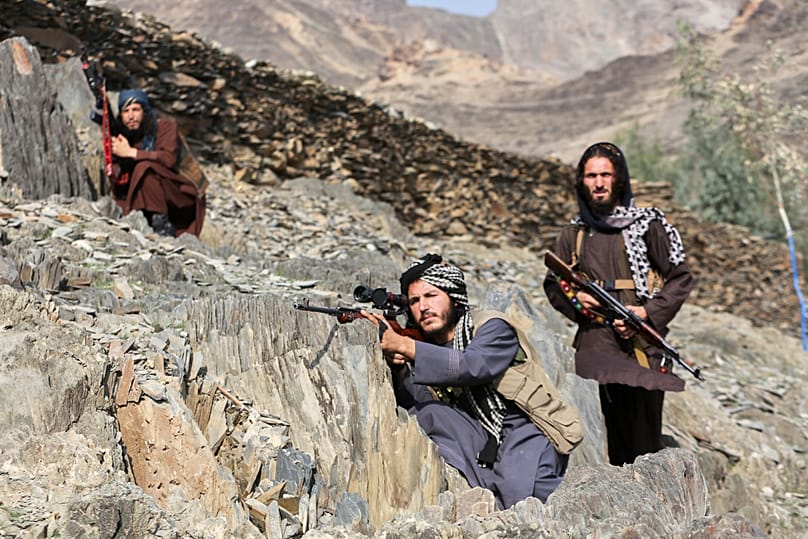
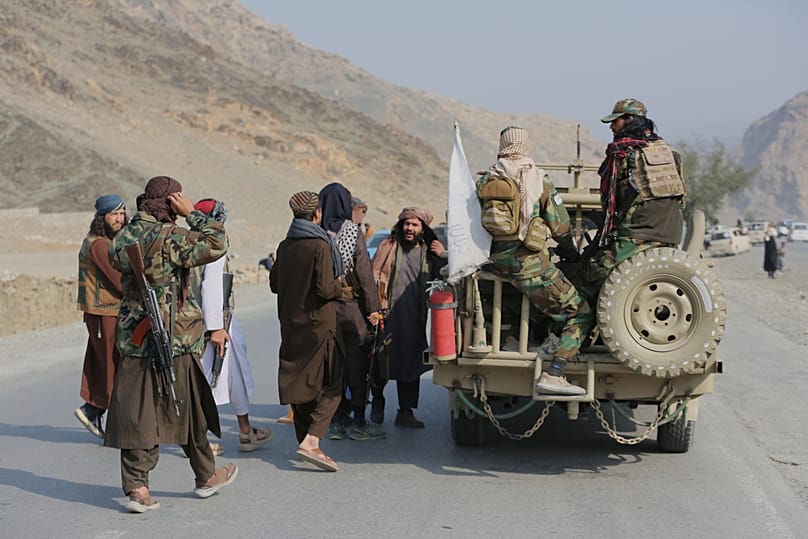
The Taliban authorities have ruled for nearly five years according to a strict interpretation of Islamic law.
Last year, broadband access was restricted in several provinces for weeks, before the government unexpectedly cut off the internet and phone networks nationwide.
Life ground to a halt for two days, paralysing banks, grounding planes and causing chaos at hospitals, before communications were restored.