




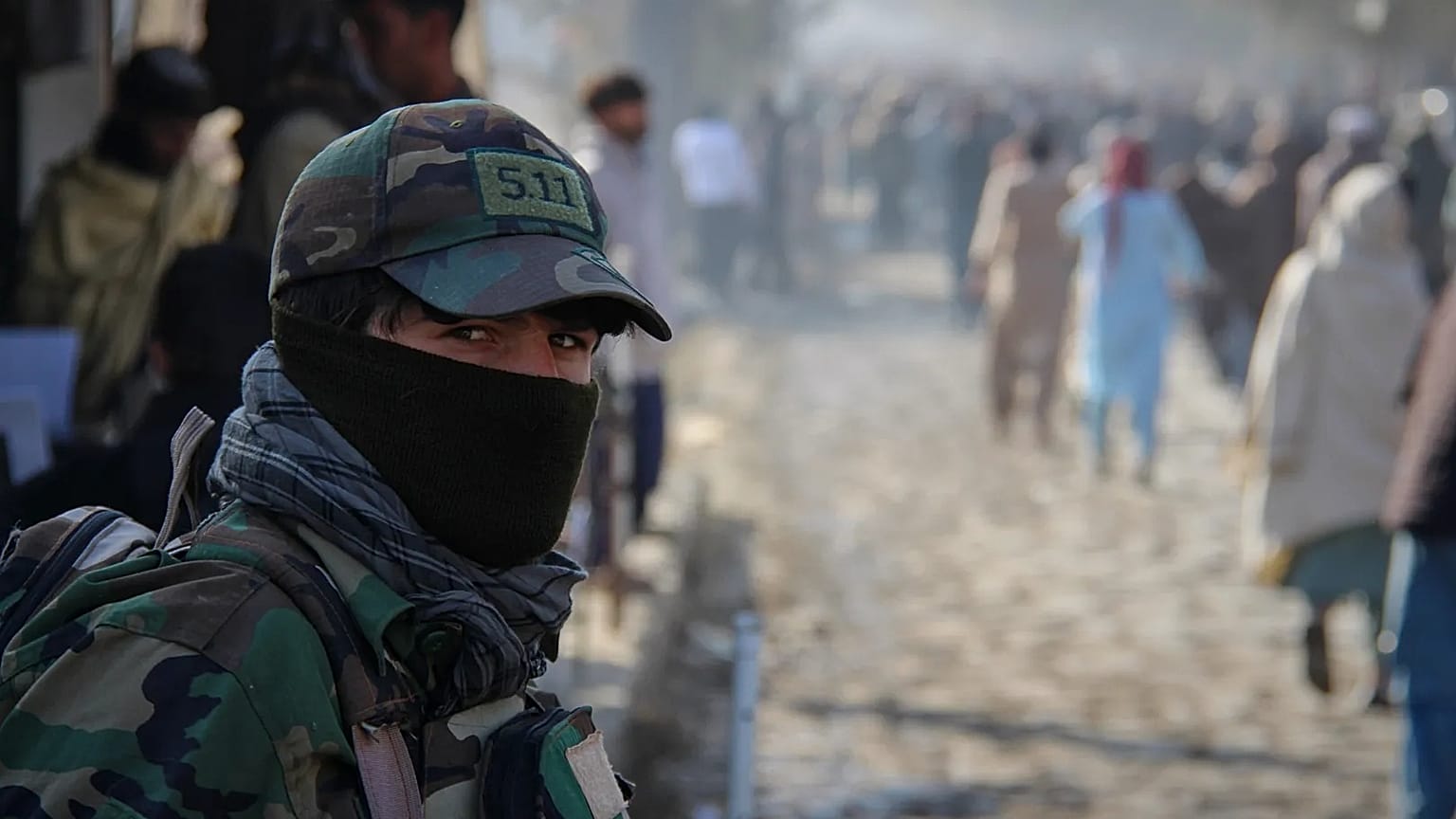














The man had been convicted of killing 13 members of a family, including children, and was executed by one of their relatives, according to police.
Afghanistan's Taliban authorities carried out the public execution of a man on Tuesday convicted of killing 13 members of a family, including several children, earlier this year.
 ADVERTISEMENT
ADVERTISEMENT
ADVERTISEMENT
Tens of thousands of people attended the execution at a sports stadium in the eastern city of Khost, which the Supreme Court said was the eleventh since the Taliban seized power in 2021 in the wake of the chaotic withdrawal of US and NATO forces.
The execution was ordered after a death sentence was passed down by a court, an appeals court and the Supreme Court itself, before being approved by Taliban leader Hibatullah Akhundzada.
The man was shot to death by a relative of those he was convicted of having killed, according to Khost police.
He had been convicted along with others of entering a family home and shooting to death an extended family, including nine children and their mother.
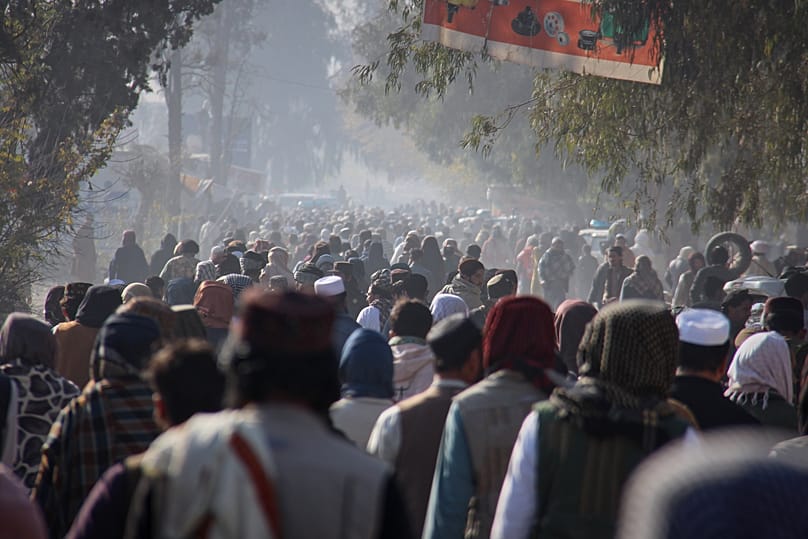
The victims' relatives had been offered the option of reconciliation that would have spared the man's life, but instead requested the death penalty, the Supreme Court said.
Before the execution, United Nations' Special Rapporteur for Afghanistan Richard Bennett had called for it to be halted.
"Public executions are inhumane, a cruel and unusual punishment, and contrary to international law," he wrote in a post on X on Tuesday morning.
The United Nations has strongly criticised the Taliban for carrying out public executions, lashings and stonings since seizing power and urged its rulers to stop such practices.
Bennett said in October that the use of the death penalty in Afghanistan was "especially alarming" because the Taliban-controlled justice system "lacks any semblance of independence or due process."
Afghanistan's Taliban authorities have imposed a strict interpretation of Sharia law, which has included a return of public executions, as well as bans on Afghan women and girls from secondary school and university education and from most forms of employment.