


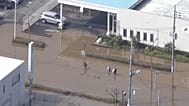














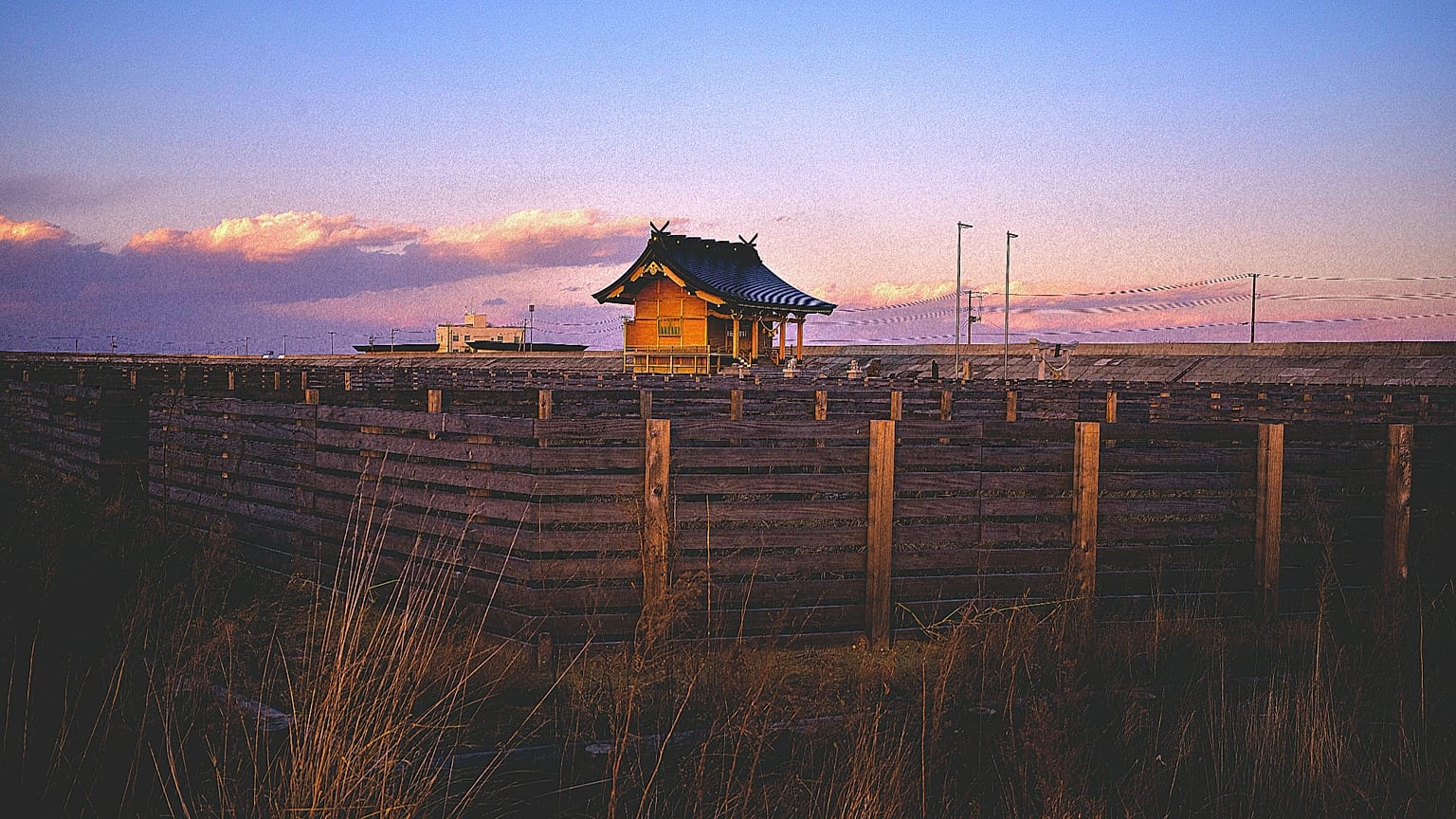














On 11 March 2011, a magnitude 9.0 earthquake struck northeastern Japan, triggering a tsunami that devastated coastal communities in Tohoku and caused the Fukushima nuclear plant disaster. Fifteen years on, rebuilding continues.
Japan marked 15 years since the Great East Japan Earthquake and tsunami on Tuesday, which killed nearly 20,000 people and triggered the Fukushima nuclear disaster.
 ADVERTISEMENT
ADVERTISEMENT
ADVERTISEMENT
A magnitude 9.0 earthquake struck at 2:46 pm local time on 11 March 2011, triggering a tsunami that hit coastal communities in Miyagi, Fukushima and Iwate prefectures. Some waves reached more than 40 metres in height.
The Japan National Police Agency reported 15,901 deaths and 2,519 missing and presumed dead as of March 2026.
More than 122,000 buildings were completely destroyed in one of the most severe natural catastrophes in Japan’s modern history.
The tsunami caused a meltdown at the Fukushima Daiichi nuclear power plant, creating the world's worst nuclear accident since Chernobyl. All three reactor cores largely melted in the first three days.
Reconstruction continues
Japan has spent the past 15 years rebuilding communities and infrastructure across the affected region.
According to government figures, reconstruction of major roads and public housing has now been completed.
Japan launched an Intensive Reconstruction Period from 2011 to 2015 to restore basic infrastructure and support displaced residents.
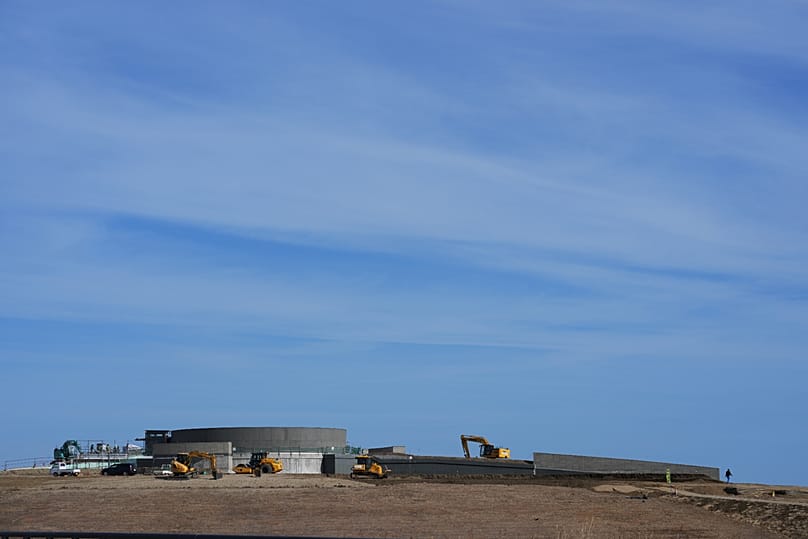
This was followed by two reconstruction phases aimed at rebuilding communities and helping affected areas achieve economic independence.
A third Reconstruction and Revitalisation Period will begin in April 2026, focusing on long-term recovery and regional revitalisation through to 2030.
Fukushima recovery
Fukushima Prefecture faced additional challenges after the earthquake and tsunami triggered the nuclear accident at the Fukushima Daiichi power plant.
Authorities say radiation levels in the prefecture have significantly decreased due to decontamination work and natural decay.
Current radiation levels are now comparable to those in other major cities in Japan and worldwide.
Food safety monitoring has also been reinforced. Radioactive substances exceeding government limits are now rarely detected in agricultural, forestry and fishery products.
Areas under evacuation orders now account for about 2.2% of Fukushima Prefecture’s total land area, reflecting gradual progress in reopening communities.
The government and plant operator Tokyo Electric Power Company have also been gradually releasing treated water from the Fukushima Daiichi plant into the Pacific Ocean, a process officials say meets international safety standards.
Communities rebuilding
Recovery efforts have also focused on rebuilding communities and supporting residents who were displaced by the disaster.
Mental health care centres have been established in the affected prefectures. Teams of doctors, nurses and social workers provide psychological support for victims.
Local governments also offer assistance to residents living in disaster public housing and to evacuees who relocated outside their home prefectures.
Officials say community activities and social programmes have helped residents rebuild connections and regain a sense of purpose.
Many parts of the Tohoku region are promoting tourism again as communities rebuild and visitors gradually return.
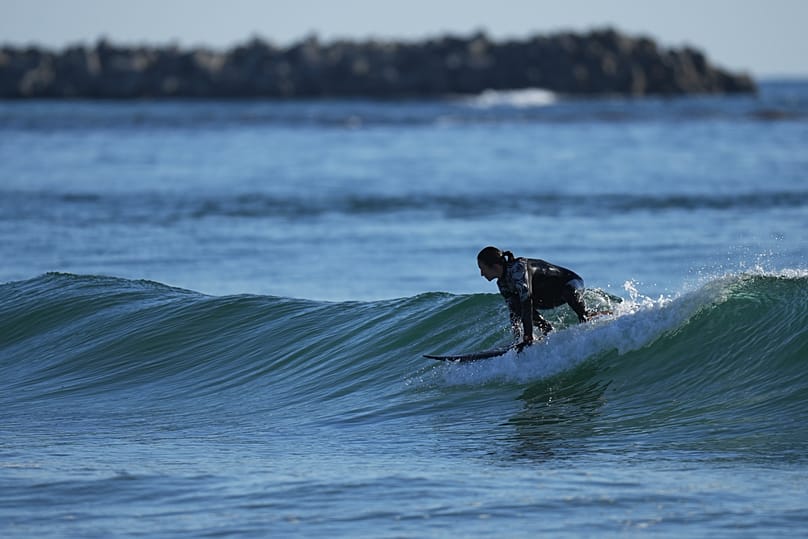
Popular destinations include Matsushima Bay in Miyagi Prefecture, Jodogahama Beach in Iwate and traditional festivals such as the Sendai Tanabata Festival.
Authorities say they hope visitors from Japan and abroad will come to see how the region has rebuilt since the disaster.
Japan has also expressed gratitude to the international community for the support it received after the disaster.
More than 195 countries and regions and 68 international organisations offered assistance and messages of sympathy after the disaster, according to Japanese officials.