






























Tensions in the Gulf over Yemen, Sudan, and wider regional rivalries highlight the delicate balance among US allies, with unity increasingly seen as vital amid rising uncertainty in the Middle East.
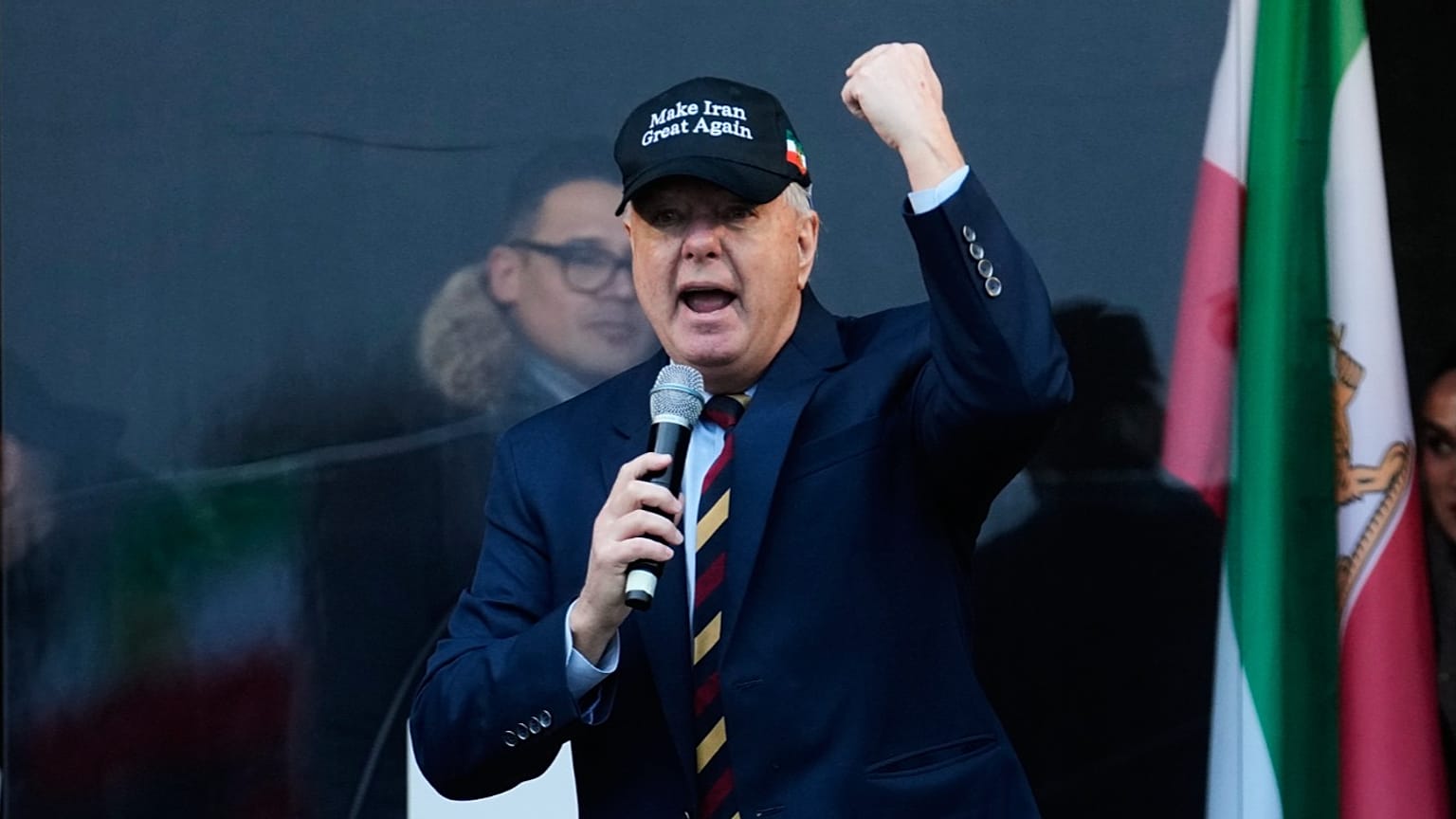
US Republican Senator Lindsey Graham has urged Saudi Arabia and the United Arab Emirates to resolve recent disputes, saying divisions among Gulf allies could indirectly strengthen Iran’s influence.
 ADVERTISEMENT
ADVERTISEMENT
ADVERTISEMENT
“Don’t let this moment pass. Be smart, but don’t be locked down with fear," Graham said at the Munich Security Conference on Friday evening. "Knock it off. You’re emboldening Iran by having this conflict."
Both Saudi Arabia and the UAE are aligned on Iran policy, but their approaches to other regional conflicts and disagreements over Yemen and Sudan have at times strained coordination.

Graham’s warning shows Washington's concern that visible rifts among Gulf powers could weaken US efforts to keep them united against the Tehran regime. He was not suggesting that Saudi Arabia and the UAE disagree on Iran itself.
Regional disputes
The feud between Saudi Arabia and the UAE first became public over influence in Sudan and the Horn of Africa and has played out in statements and media coverage.
In Yemen and the Horn of Africa, Saudi Arabia and the UAE pursue similar regional objectives but support different local actors.
Meanwhile, Washington has deployed additional forces to the Gulf, including a second aircraft carrier and tens of thousands of troops, and is preparing for possible extended operations against Tehran in case negotiations over its nuclear programme collapse, according to reports.
Iran has said it is willing to discuss compromises if all sanctions are addressed.
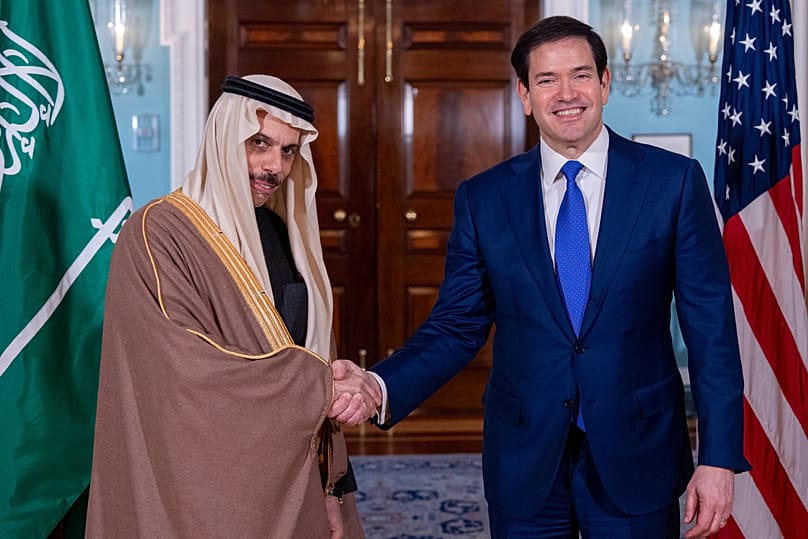
While Tehran has warned that any conflict would be damaging for the entire region, Saudi Arabia and the UAE remain aligned with the US. Yet, small rifts can have big consequences given Tehran’s active role across the region.
Graham’s message shows that while Riyadh and Abu Dhabi pursue independent objectives, unity on Iran at a critical moment remains central to US strategy and regional stability.