




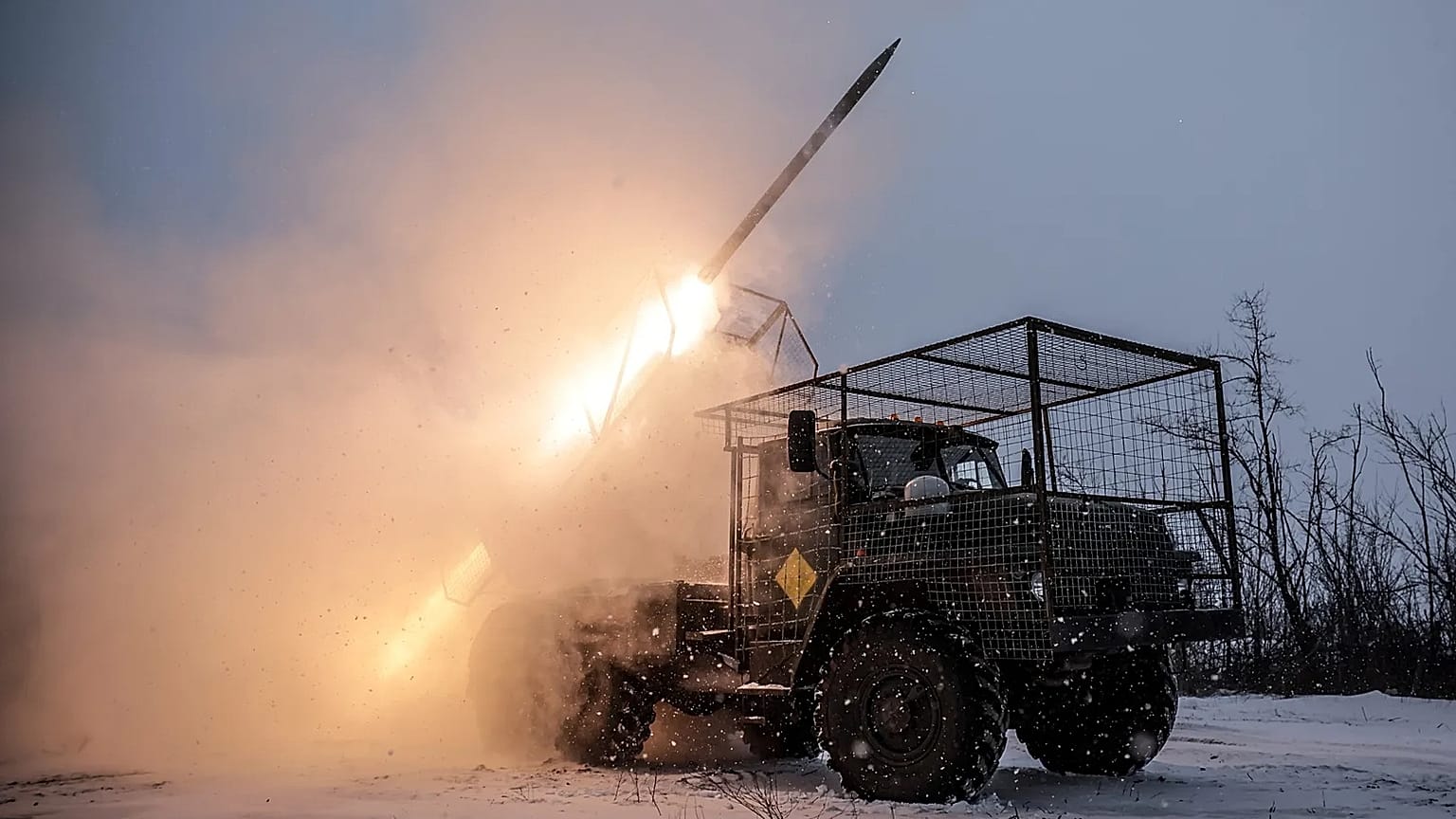













The US has almost completely withdrawn aid to Kyiv but Europe has stepped up and massively increased support to fill the gap, stabilising the flow of cash. But a new report finds that the majority of aid comes from a small handful of states.
Although the US has almost entirely stopped financial support for Ukraine in the past year, the total volume of aid has remained relatively stable in 2025, thanks to a show of strength by European countries, above all Germany.
 ADVERTISEMENT
ADVERTISEMENT
ADVERTISEMENT
This is the conclusion of the "Ukraine Support" report by the Kiel Institute for the World Economy (IfW Kiel), which regularly analyses international military, financial and humanitarian support for the war-torn country.
While Washington reduced its contributions by up to 99%, European countries noticeably increased theirs, largely compensating for the shortfall.
European military aid rose by 67% above the average for the years 2022-2024, while non-military aid increased by 59%.
Military aid now only comes from a few countries, mainly from Northern Europe, while financial aid is now primarily provided by EU institutions.
Europe steps up
According to the data, European countries provided around €29 billion in military aid in 2025. In the years 2022-2024, this figure averaged around €17-18 billion per year. The increase corresponds to a hike of around two-thirds.
Financial and humanitarian support also grew significantly, by around 59% compared to the average of previous years. Around €35.1 billion was provided via European Union institutions in 2025.
This corresponded to 89% of European financial and humanitarian aid, which totalled around €39 billion.

Germany tops the list of donors to Kyiv
Within Europe, Germany was the largest single donor state in military aid in 2025.
According to the study, Berlin provided around €9 billion. This corresponds to an increase of around 130% compared to averages from 2022-2024.
Measured in terms of gross domestic product, the German contribution was in the range of around 0.15-0.25% of economic output.
Berlin also contributed around €600 million to the NATO PURL initiative, through which donor countries finance weapons from the US for Ukraine. The total volume in 2025 was around €3.7 billion.
Aid from Berlin expected to grow to €11.5 billion in 2026
The German government wants to significantly increase military aid for Ukraine in 2026.
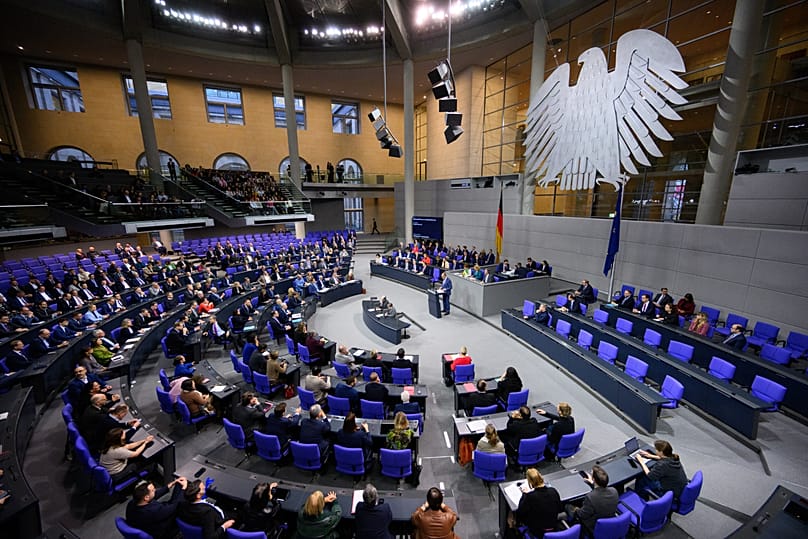
According to a submission from the Federal Ministry of Finance for the final budget deliberations in the Bundestag, support for Ukraine is to rise to an estimated €11.55 billion, which is €3 billion more than previously envisaged in the government's draft.
According to officials, the additional funds are earmarked for artillery, drones and armoured vehicles, among other things. The replacement of two US-produced Patriot air defence systems is also to be financed.
"The increase in European military aid in 2025 reveals growing inequalities: A few countries are contributing more and more," said the head of the Ukraine Support Tracker at IfW Kiel, Christoph Trebesch, in a press release.
Majority of aid from only a handful of countries
In addition to Germany, other countries were also among the major supporters in 2025. The UK contributed €5.4 billion, Sweden €3.7 billion, Norway €3.6 billion and Denmark €2.6 billion, respectively.
This clearly demonstrates that the support rests on several shoulders and is borne by a relatively small number of European states.
The study also points to differences within Europe. Countries in Northern Europe provided around a third of European military aid in 2025, although they only represent around eight per cent of the economic output of the 31 donor countries surveyed.
Southern European countries, on the other hand, contributed around 3% to military aid, although their share of the combined GDP is around 19%.
Overall, the analysis shows that European countries have significantly boosted their support last year, stabilising the flow of aid to Kyiv, amid a turbulent climate crafted by the return of US President Donald Trump to the Oval Office; and his administration, which has displayed a highly Ukraine-critical outlook so far.