




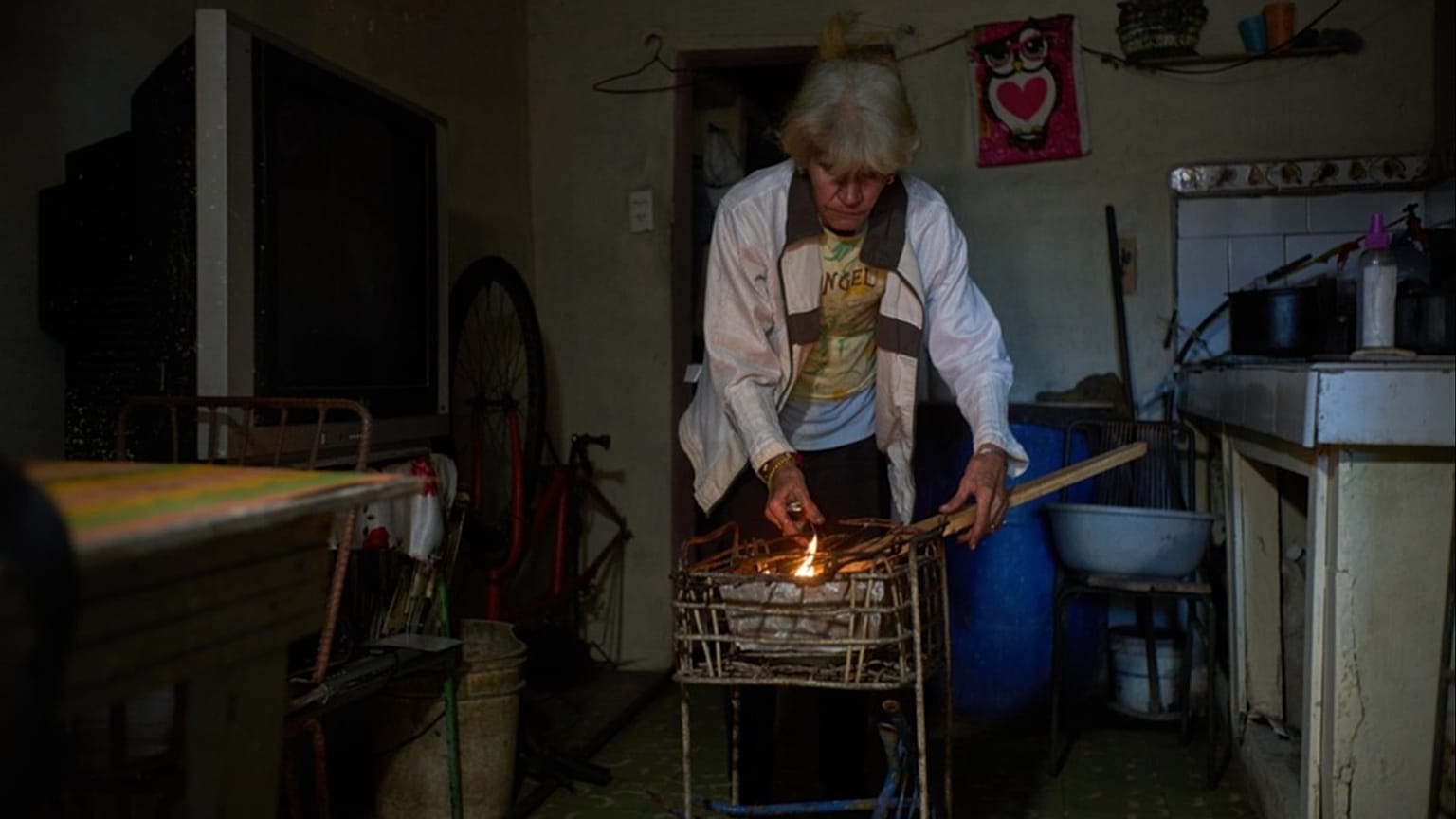














The US has extended aid to Cuba for people still reeling from Hurricane Melissa in the island’s eastern regions. The aid comes despite a diplomatic rift, as Washington continues to urge Cuba to negotiate a deal to end tensions “before it is too late”.
The US government announced on Thursday an additional $6 million (€5.1 million) in aid to Cuba as the island’s crisis deepens and tensions between Washington and Havana continue to soar, with Cuba’s President Miguel Díaz-Canel accusing the US of an “energy blockade.”
 ADVERTISEMENT
ADVERTISEMENT
ADVERTISEMENT
The aid is largely meant for those living in Cuba’s eastern region, battered by Hurricane Melissa late last year. The Washington-provided supplies include rice, beans, pasta, cans of tuna and solar lamps, which will be delivered by the Catholic Church and Caritas.
Jeremy Lewin, a senior official at the US Department of State, warned that officials from the US Embassy in Cuba will be out in the field “making sure that the regime does not take the assistance, divert it or try to politicise it”.
President Díaz-Canel has repeatedly accused the US of manufacturing a crisis in Cuba, following Washington’s stunning military intervention in Venezuela early in January, which seized its President Nicolas Maduro.
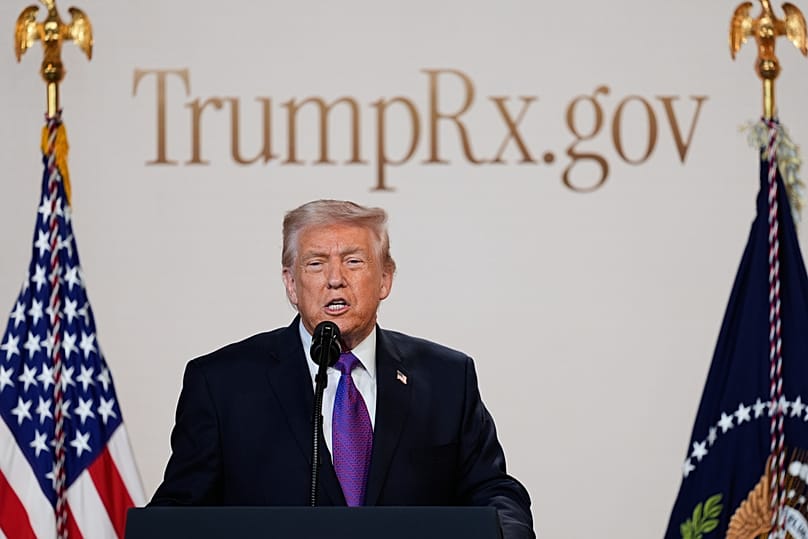
The US has since isolated Havana, cutting off payments it used to receive from Caracas, as well as oil, which Cuba says it relies on for its survival, as US President Donald Trump accused the island nation of aligning itself with hostile countries and malign actors.
Trump had also noted that the situation in Cuba will not change unless Havana agrees to a deal with Washington, though specifics of what kind of a deal the US is seeking remain unclear.
Recently, Díaz-Canel has slightly eased his position, stating that Havana is willing to negotiate with the US, but stressing that this must be done under equal footing, no pressure, preconditions or threats which undermine Cuban sovereignty or dictate its foreign policy.
The statements drew a furious response from the White House, who urged Havana to engage in talks, while reminding the island’s leadership that Trump has other options at his disposal to “handle the situation”.
"I think the fact that the Cuban government is on its last leg and its country is about to collapse,” said White House Press Secretary Karoline Leavitt.
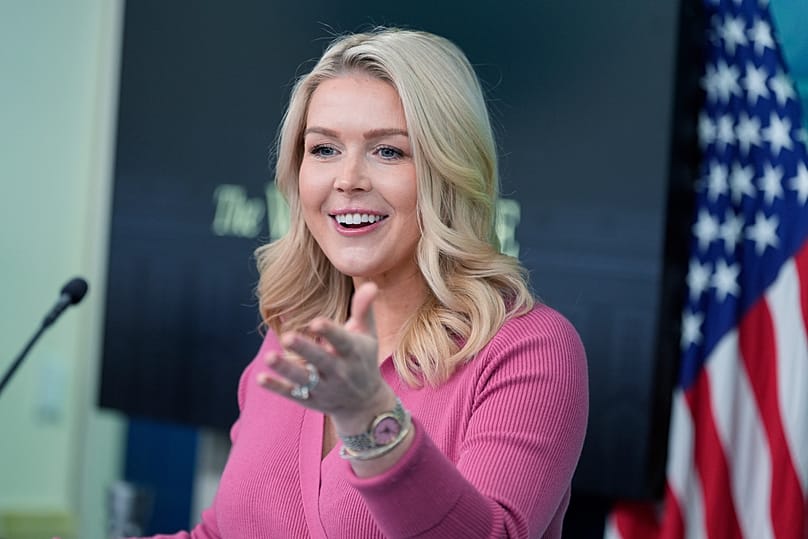
“They should be wise in their statements directed towards the President of the United States, but as I just reiterated, the President is always willing to engage in diplomacy and I believe that's something that is taking place, in fact, with the Cuban Government."
Lewin rejected that a halt in oil shipments from Venezuela is responsible for the humanitarian situation in Cuba.
He said that for years, the island has “hoarded all of the resources for the few senile old men that run the country, for their henchmen, for the security apparatus” as he accused Cuba of “meddling abroad,” including “colonising Venezuela.”
“Why can’t they get food? It’s not because we’re not letting illicit Venezuelan oil continue to make Raúl Castro rich,” he added, referring to the former Cuban president. “It’s because the government can’t put food on the shelves. They have billions of dollars, but they don’t use it to buy food for ordinary Cubans.”
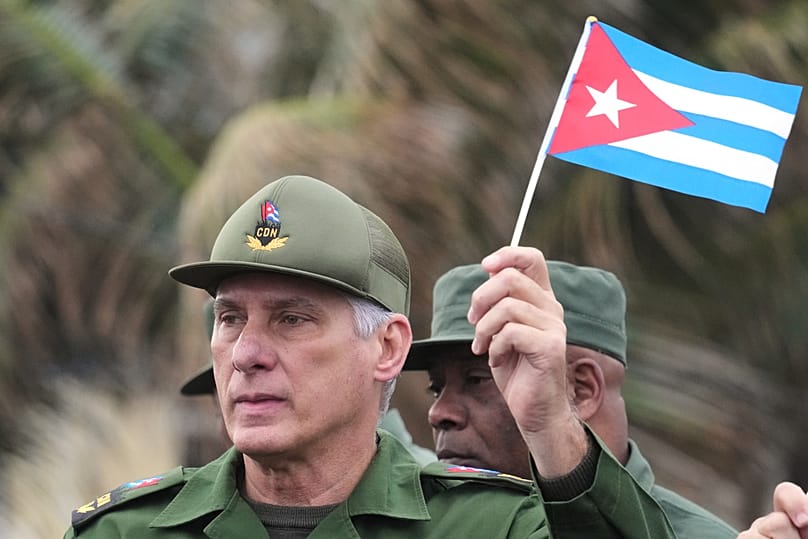
Lewin spoke hours after Cuban President Miguel Díaz-Canel held a rare, invite-only press conference in which he fielded questions from a select group of reporters.
Díaz-Canel said that there was a “psychological war” against Cuba as he described a recent threat by US President Donald Trump to impose tariffs on any country that sells or provides oil to Cuba as “an energy blockade.”
Lewin said that if the Cuban government comes to its senses and is willing to allow the US to provide more support, that there might be more announcements.
“They should be focused on providing for their people, not making these blustery statements,” Lewin said. “He can talk a big game, but again, any government, its first responsibility is always to provide for its people.”