




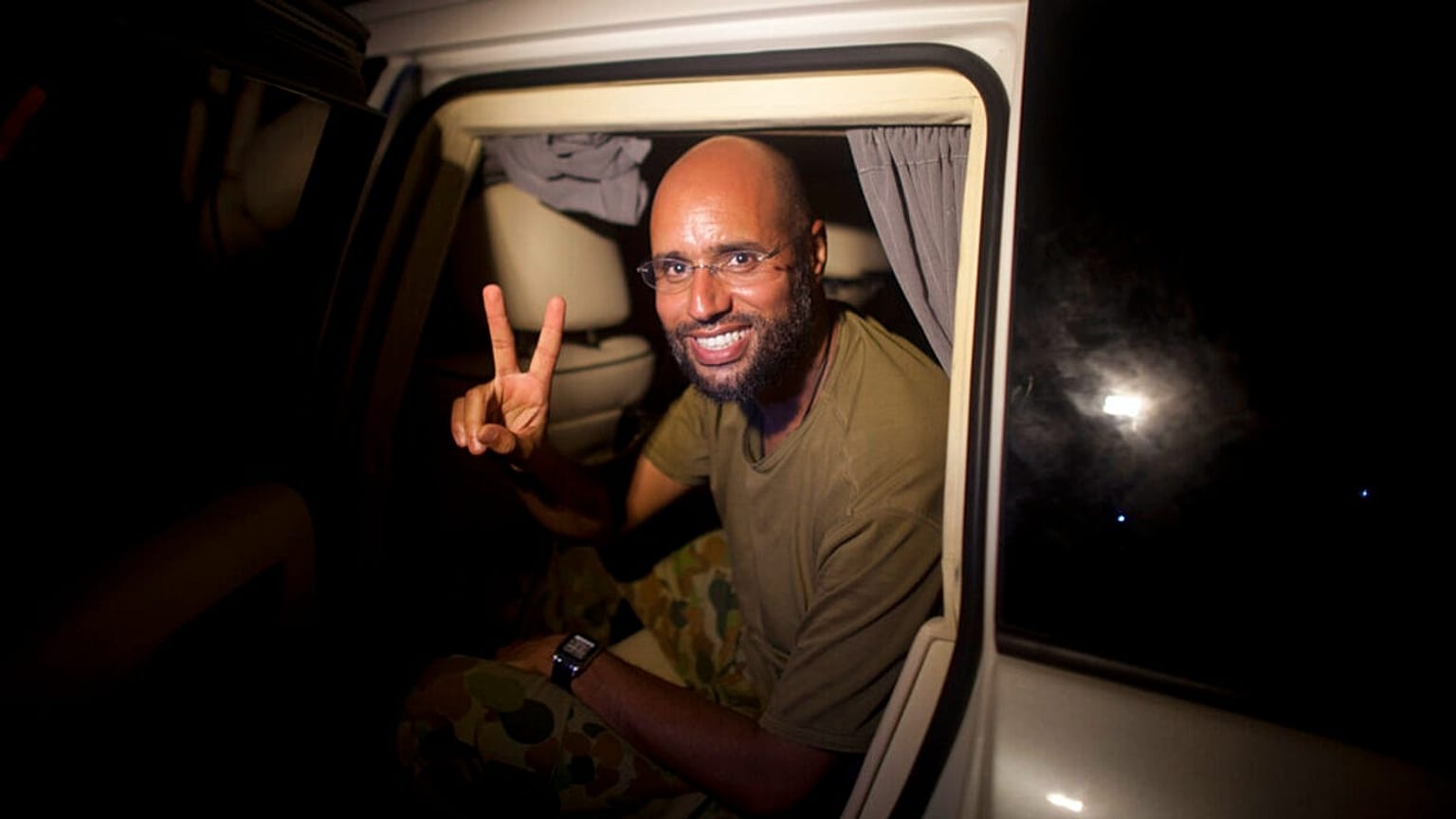














Seif al-Islam Gaddafi, son to late long-time Libyan dictator, Muammar Gaddafi, was killed on Tuesday in his home in the western town of Zintan in western Libya. Sources close to him say four masked gunmen stormed his home to carry out the “heinous crime”.
Seif al-Islam Gaddafi, son and one-time heir apparent of Libya’s late dictator Muammar Gaddafi, was killed in Libya late on Tuesday. Sources close to him say the 53-year-old was shot by gunmen in the town of Zintan, 136 kilometres southwest of the capital Tripoli.
 ADVERTISEMENT
ADVERTISEMENT
ADVERTISEMENT
The death was confirmed by Gaddafi's lawyer, Khaled al-Zaidi, who announced the news in a post on Facebook without providing further details. Abdullah Othman Abdurrahim, who represented Gaddafi in the UN-brokered dialogues aimed at restoring peace to the North African country, also confirmed his death.
Abdurrahim was quoted as saying to local media that Gaddafi was killed by armed gunmen who stormed his home in an apparent assassination. The outlet reported that his death was being investigated by prosecutors in the region.
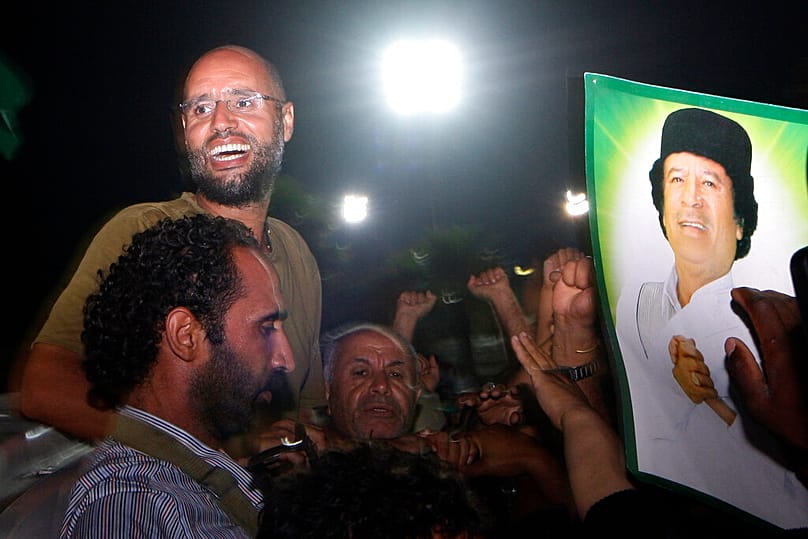
Gaddafi's political team later released a statement saying that four masked gunmen forcibly entered his home and killed him in a “cowardly and treacherous” way.
The statement added that Gaddafi clashed with the assailants, who had disabled CCTV systems in his house in a “desperate attempt to conceal traces of their heinous crimes.”
Seif al-Islam Gaddafi, born in 1972 in Tripoli, was the second-born son of Muammar. He studied for a PhD at the London School of Economics and was seen as the reformist face of his father’s brutal regime.
Moammar Gaddafi was toppled in a NATO-backed mass uprising in 2011, part of the Arab Spring, after more than 40 years in power. He was killed in October that year amid the fighting that ensued, which would eventually turn into civil war.
The country has since plunged into chaos and is divided between rival armed groups and militias, vying for control, power and ownership of the country’s vast oil reserves.
Seif al-Islam was captured by fighters in Zintan while attempting to flee to neighbouring Niger. He was released in 2017 after one of Libya’s rival governments granted him amnesty. He had lived in Zintan since.
He was wanted by the International Criminal Court on charges of crimes against humanity related to the 2011 uprising. He was also separately sentenced to death in absentia in 2015 by a Libyan court, which convicted him of inciting violence and murdering protesters.
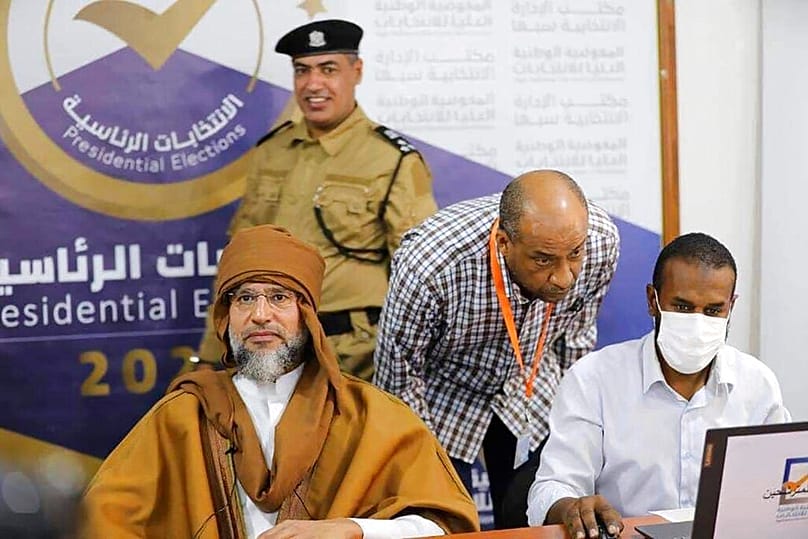
In late 2021, Seif al-Islam Gaddafi announced his candidacy in the country’s presidential elections. The move was seen by many, particularly anti-Gaddafi political forces in eastern and western Libya as controversial, and was met with violence and outcry.
He was later disqualified by the country’s election commission, but the election was never held, as disputes between rival administrations and armed groups persisted between the parties that have ruled Libya since the bloody ouster of Muammar Gaddafi.