




























The disgraced US financier sought to recover $80 billion in frozen Libyan state assets through a network of former British and Israeli intelligence officials, according to US DOJ documents.
Jeffrey Epstein sought to access frozen Libyan state assets through a network of former British and Israeli intelligence officials, according to documents released as part of a US Department of Justice investigation.
 ADVERTISEMENT
ADVERTISEMENT
ADVERTISEMENT
An email dated July 2011, disclosed in the latest release of Epstein files by the US Justice Department and sent by one of his associates, reveals plans to exploit "political and economic turmoil" in Libya to identify and recover Libyan funds frozen in Western countries.
The frozen assets amounted to about $80 billion, including $32.4 billion in the United States.
The email described the assets as "stolen and misappropriated", noting their potential value could be three to four times that amount.
In the correspondence, Epstein argued that Libya, rich in oil and well-educated people, represents a strategic opportunity for financial and legal investment.
The documents describe preliminary discussions with international law firms to work on the case on a contingency-fee basis, meaning they would be paid only if they won.
Former officials of British intelligence service MI6 and Israel's Mossad expressed willingness to contribute to efforts to identify and recover the assets, according to the documents.
The correspondence asserted that identifying and recovering a small portion of these funds could generate "billions of dollars" and cited projections that Libya would need to spend at least $100 billion on reconstruction and economic recovery.
Frozen funds remain unreturned
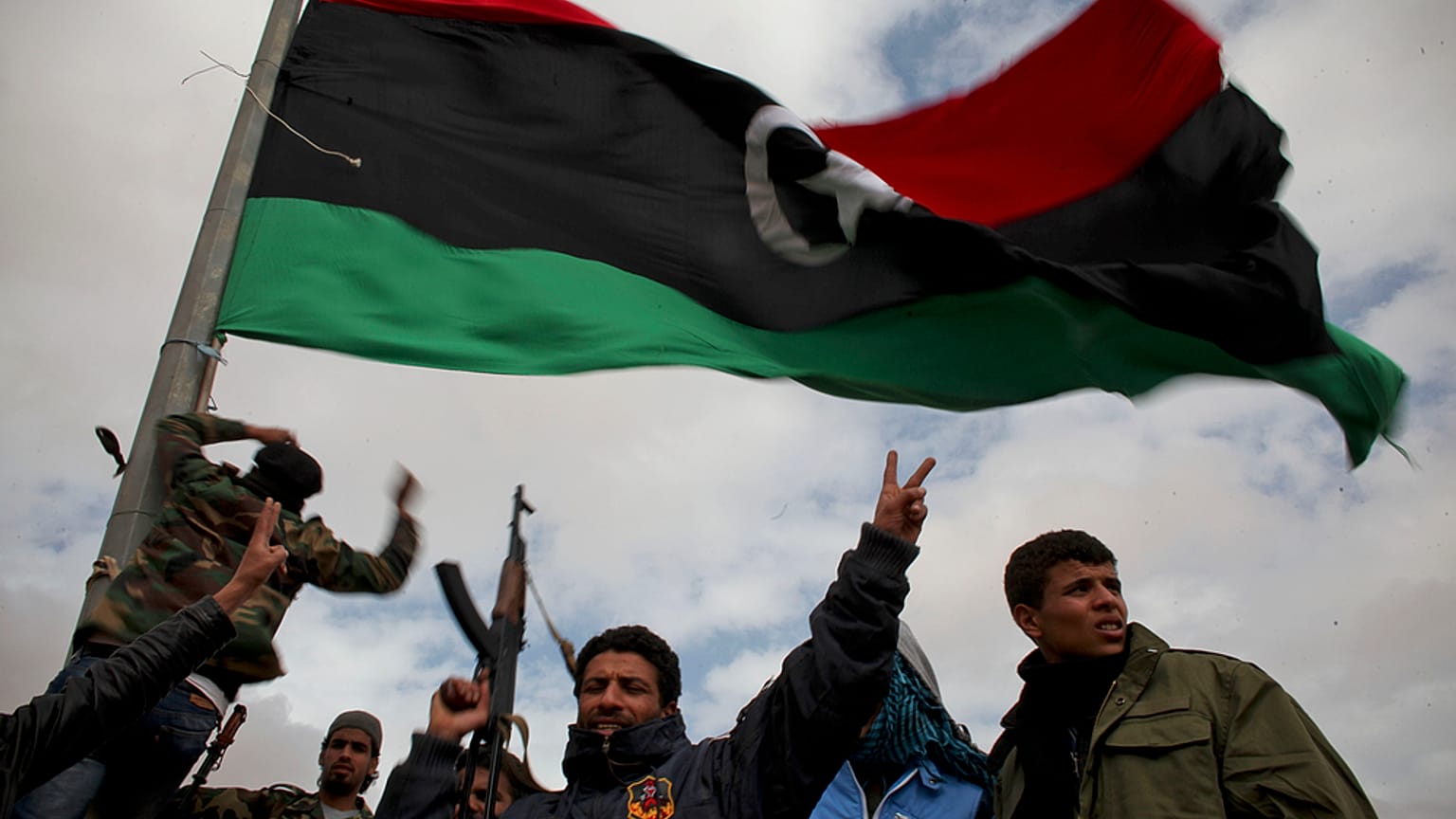
Libya is struggling to recover the country's funds frozen in Western countries under UN Security Council Resolution 1973, passed in March 2011 as part of sanctions imposed on Muammar Gaddafi's regime during the uprising that toppled him.
Last year, the Tripoli-based Government of National Unity, led by Abdelhamid Dbeibeh, formed a legal committee to follow up on the matter in cooperation with several countries, after several countries filed lawsuits seeking to seize part of the funds under the pretext of compensating them for investments disrupted in Libya due to the ongoing conflict.
However, the continuation of conflicts over the past years has hindered the implementation of this resolution, supporting justifications for delaying the recovery of the funds.
The documents do not indicate whether Epstein's plans to access the frozen assets progressed beyond preliminary discussions.