


















Centrist D66 leader Rob Jetten emphasised the need for stronger European cooperation to ensure security and prosperity, rather than focusing on the United States.
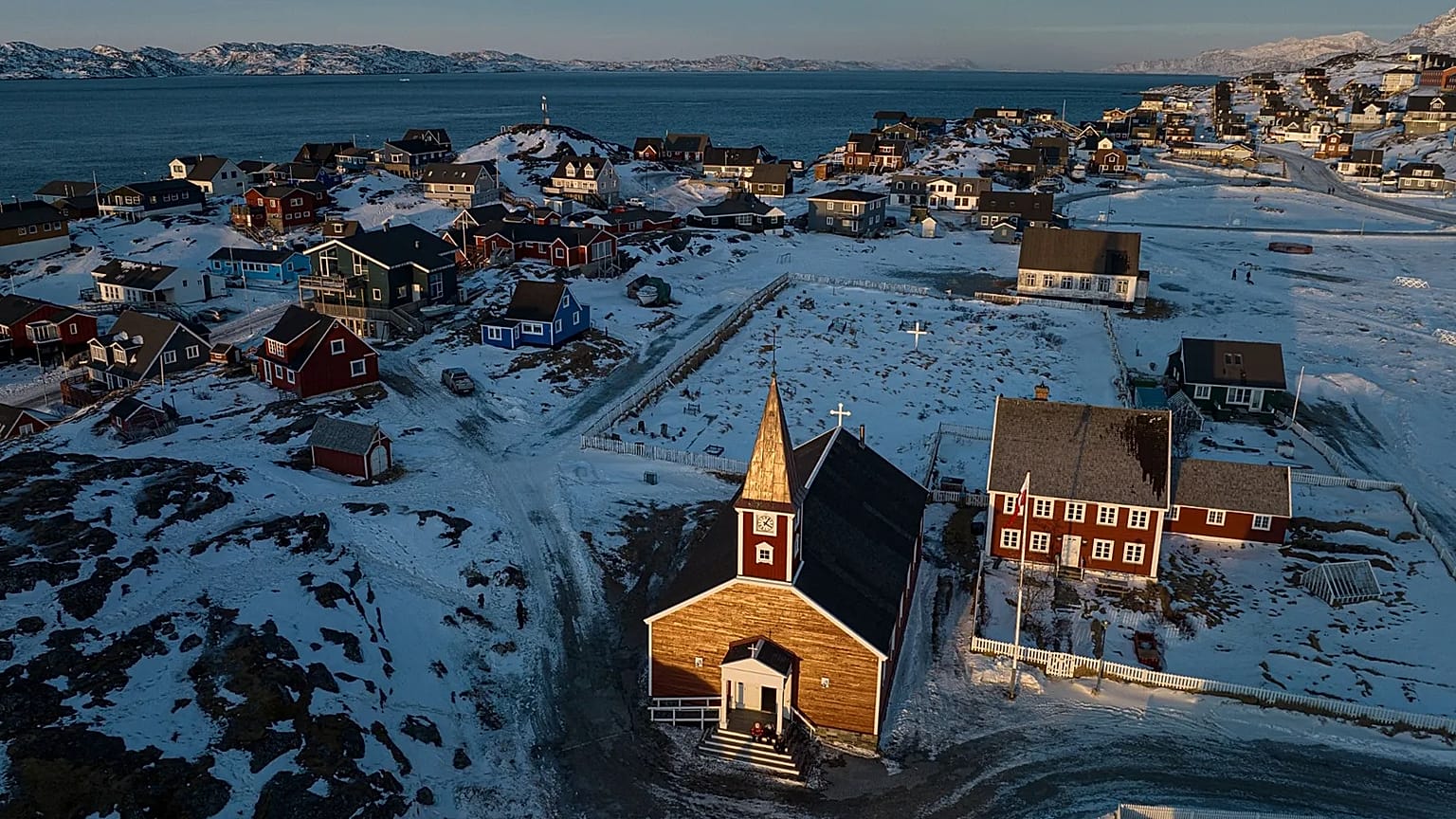
The political leader in line to become the Netherlands’ next prime minister said on Friday that concerns about US President Donald Trump’s territorial ambitions in Greenland were a "wake-up call" for Europe.
 ADVERTISEMENT
ADVERTISEMENT
ADVERTISEMENT
Centrist D66 leader Rob Jetten emphasised the need for stronger European cooperation to ensure security and prosperity, rather than focusing on the United States.
"We can continue talking and complaining about the US, but what we should do instead is make sure that the European cooperation is strengthened, that we can guarantee security and prosperity for our own citizens," he told the Associated Press news agency.
Once in office, one of the first things Jetten will do is "talk to my colleagues in Europe to see what role the Dutch can play again in strengthening the European cooperation," he said.
Still, Jetten stressed he also would seek to boost cooperation with Washington, "mainly on topics of security, the war in Ukraine, but also on an economic level, because the Dutch economy and American economy are very much, interlinked."
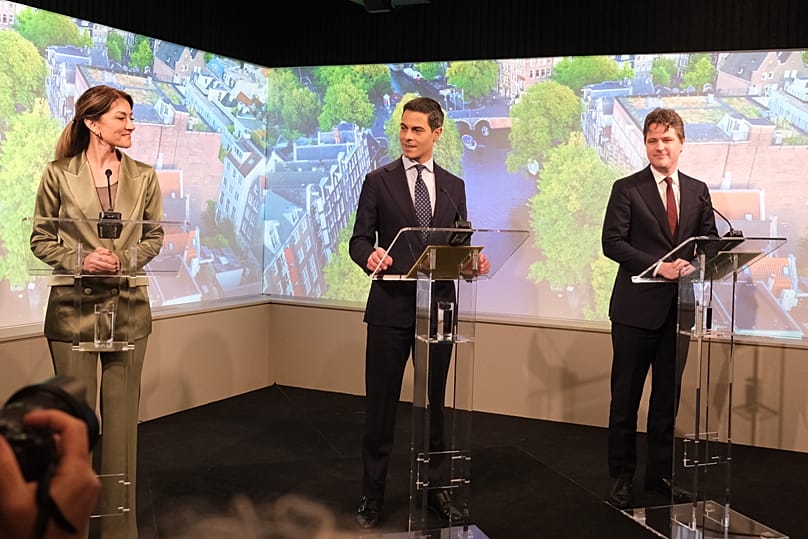
Trump has repeatedly argued that the US needs Greenland, a self-governing territory of NATO member Denmark, to counter threats from Russia and China.
Last week he scrapped the tariffs he had threatened to impose on eight European nations, including the Netherlands, to press for US control of Greenland.
Jetten was speaking to media after he and the leaders of two other parties that will form a minority coalition government following elections three months ago presented a policy blueprint on Friday with their plans for the coming four-year term.
Support for Ukraine
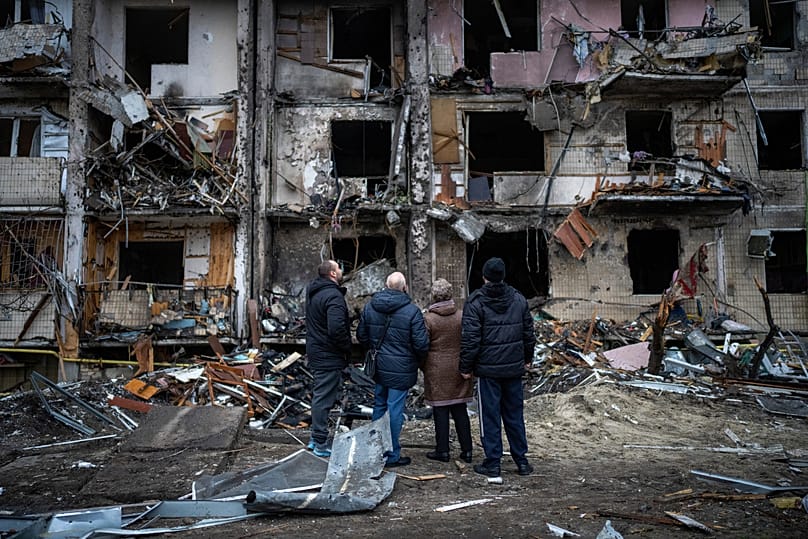
The plan includes spending billions on the Dutch military and ongoing support for Kyiv in Russia's full-scale invasion of Ukraine.
"The fight in Ukraine is about the security of the whole of Europe," said the policy document entitled "Getting to Work."
"So we are continuing our own multi-year financial and military support and we will continue to argue for the use of frozen Russian assets," the manifesto said.
Jetten's coalition holds only 66 of the 150 seats in the lower house of parliament so it will have to drum up support across the splintered political spectrum for every new law it seeks to pass. There are 16 parties and blocs in the lower house.
"The task before us is enormous, but the Netherlands has become great through collaboration," Jetten said. "Our history shows that progress is not achieved alone, but created together."
The coalition is made up of Jetten's D66 together with two more right-leaning parties, the Christian Democrats and People's Party for Freedom and Democracy.
Jetten has been in the driving seat for coalition talks since his party narrowly won elections in late October.
The 38-year-old will become the Netherlands' youngest and first openly gay premier when he and his new Cabinet ministers are sworn in by King Willem-Alexander, likely sometime in late February.
Jesse Klaver, leader of the centre-left Green Left-Labour Party that holds 20 of the lower house's 150 seats, has called the minority coalition a "risky experiment," but said recently he would pursue a policy of "responsible opposition" and do deals with the new government "not for ourselves, but to help the Netherlands move forward."
However, Klaver warned the incoming administrations that if "they want our support, then the plans will have to be more social and more green.”
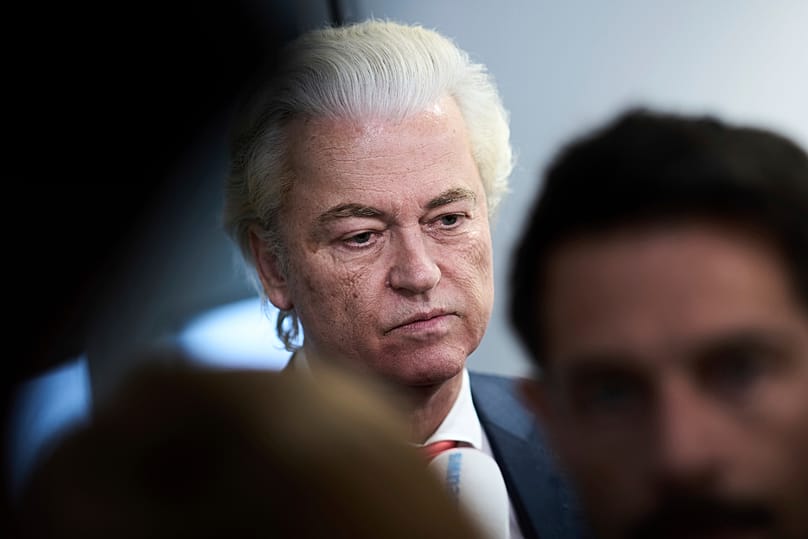
The far-right Party for Freedom led by veteran anti-Islam lawmaker Geert Wilders, which was a close-run second in the 29 October elections, has vowed not to support the coalition.
Earlier this month, Wilders saw seven of his elected lawmakers unhappy with his authoritarian leadership of the party break away to form a new bloc in parliament.