




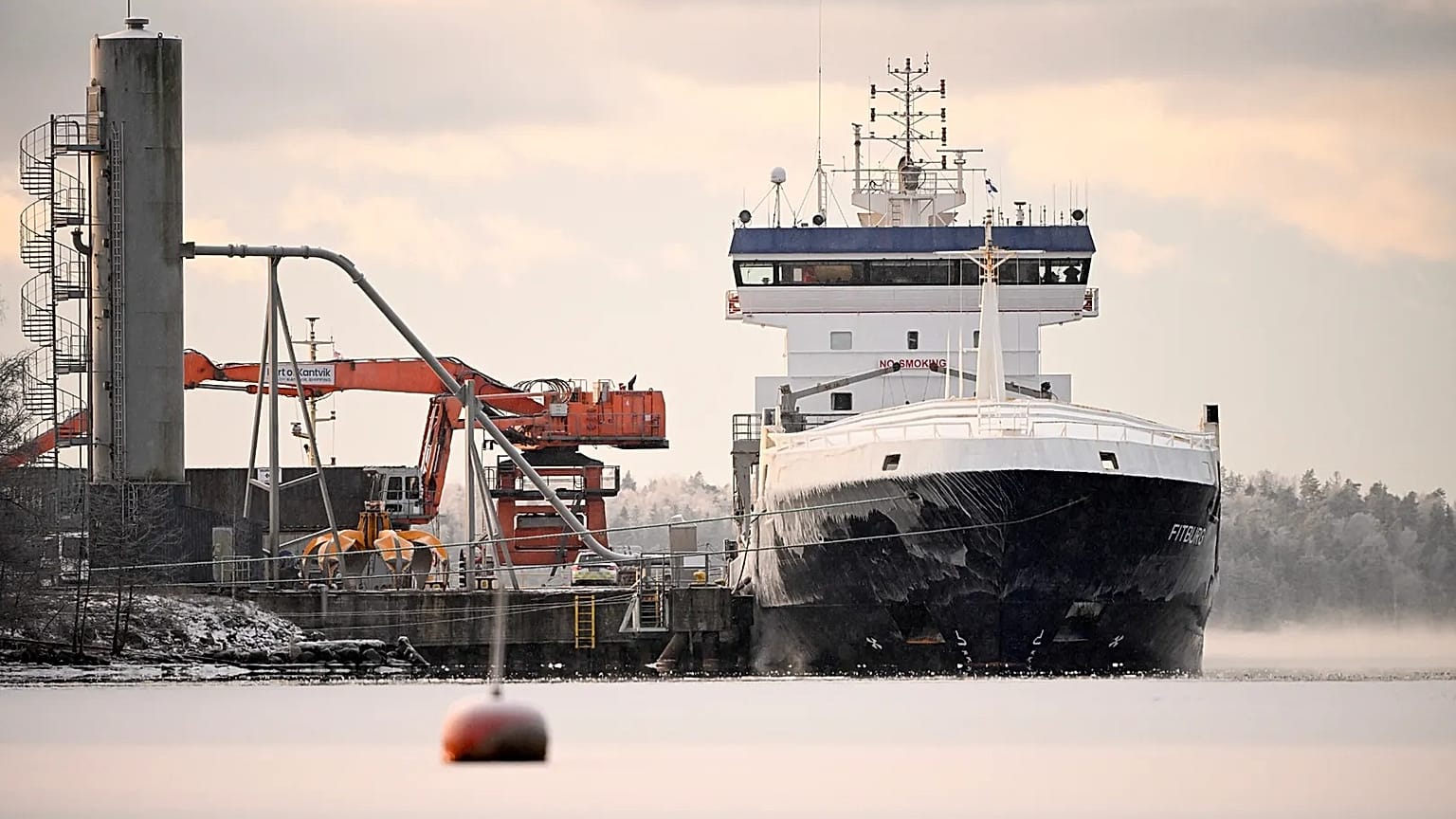













Efforts to improve surveillance of undersea infrastructure have increased due to several incidents often involving vessels from Russia's "shadow fleet" suspected of damaging cables in the Baltic Sea.
Finland will establish a new maritime surveillance mechanism to prevent further damage to undersea cables, according to officials.
 ADVERTISEMENT
ADVERTISEMENT
ADVERTISEMENT
The mechanism will be set up in cooperation with other Baltic Sea states and is part of the European Commission's plan to boost the security of data and telecom infrastructure.
Mikko Hirvi, head of maritime safety at the Finnish Border Guard, said Monday that it will include hubs around the region that would "exchange information, risk analyses, threat assessments and real-time information".
"This also involves the development of surveillance capabilities, including sensors, related technology and exercises," he added.
Instead of building new facilities, information would be sent to existing "border guard structures," Hirvi said.
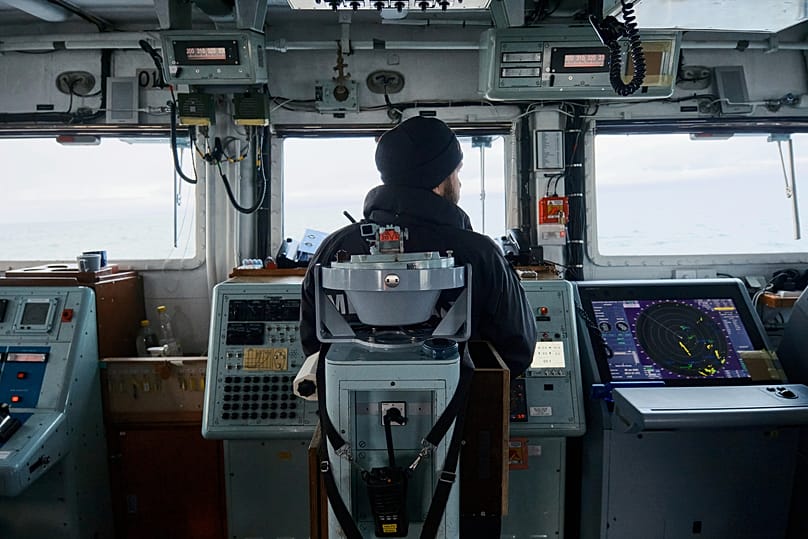
Efforts to improve surveillance of undersea infrastructure have increased following several incidents involving vessels from Russia's "shadow fleet" suspected of damaging cables in the Baltic Sea.
Russia is said to have built up a flotilla of old oil tankers of opaque ownership to get around sanctions imposed by the EU, the US and others after its full-scale invasion of Ukraine in early 2022.
The use of the vessels has also raised environmental concerns about accidents given their age and uncertain insurance coverage.
On New Year's Eve, Finland seized a cargo ship carrying Russian steel that was suspected of damaging a telecommunications cable between Helsinki and Tallinn.
Hirvi said they should be prepared for similar incidents in the future, given the "unusually large amount of damage to critical subsea infrastructure" in recent years.
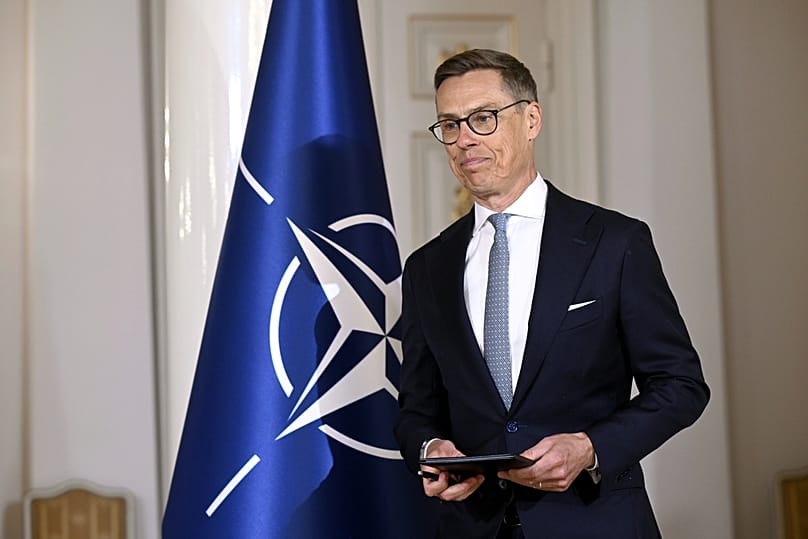
The number of shadow fleet vessels navigating the Baltic Sea has not declined, Hirvi said.
"We are talking about an average of 45 ships per week...and a large part of them belong to the shadow fleet" moving through the Gulf of Finland and "loaded with Russian oil" he said.
Hybrid war
Many experts and political leaders have viewed the suspected cable sabotage as part of a hybrid war carried out by Moscow against Western countries.
Europe as a whole has been on high alert after drone flyovers into NATO airspace reached an unprecedented scale last September, prompting leaders to agree to develop a "drone wall" along their borders to better detect, track and intercept drones violating Europe's airspace.
In November, NATO military officials said a new US anti-drone system had been deployed to the alliance's eastern flank.
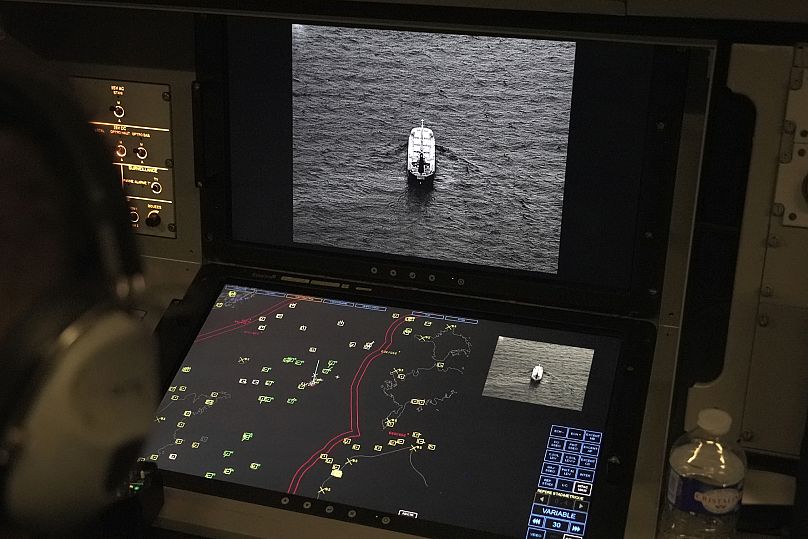
Following a violation of Polish airspace, NATO Secretary General Mark Rutte announced the formation of the Eastern Sentry programme, which aims to deter further Russian incursions.
Some European officials described the incidents as Moscow testing NATO’s response, which raised questions about how prepared the alliance is against potential threats from Russia.
The Kremlin has dismissed allegations that Russia is behind some of the unidentified drone flights in Europe as "unfounded".